





An Escape To the Actual Shangri-la in the Yunnan Province
Discover Banyan Tree Lijiang and Banyan Tree Ringha, your gateways to the mystical city of Shangri-La nestled in the breathtaking Himalayas.
- Published
- Lifestyle · 29 August 2026
Text & photographs: Crystal Woo.
Exploring the actual Shangri-la
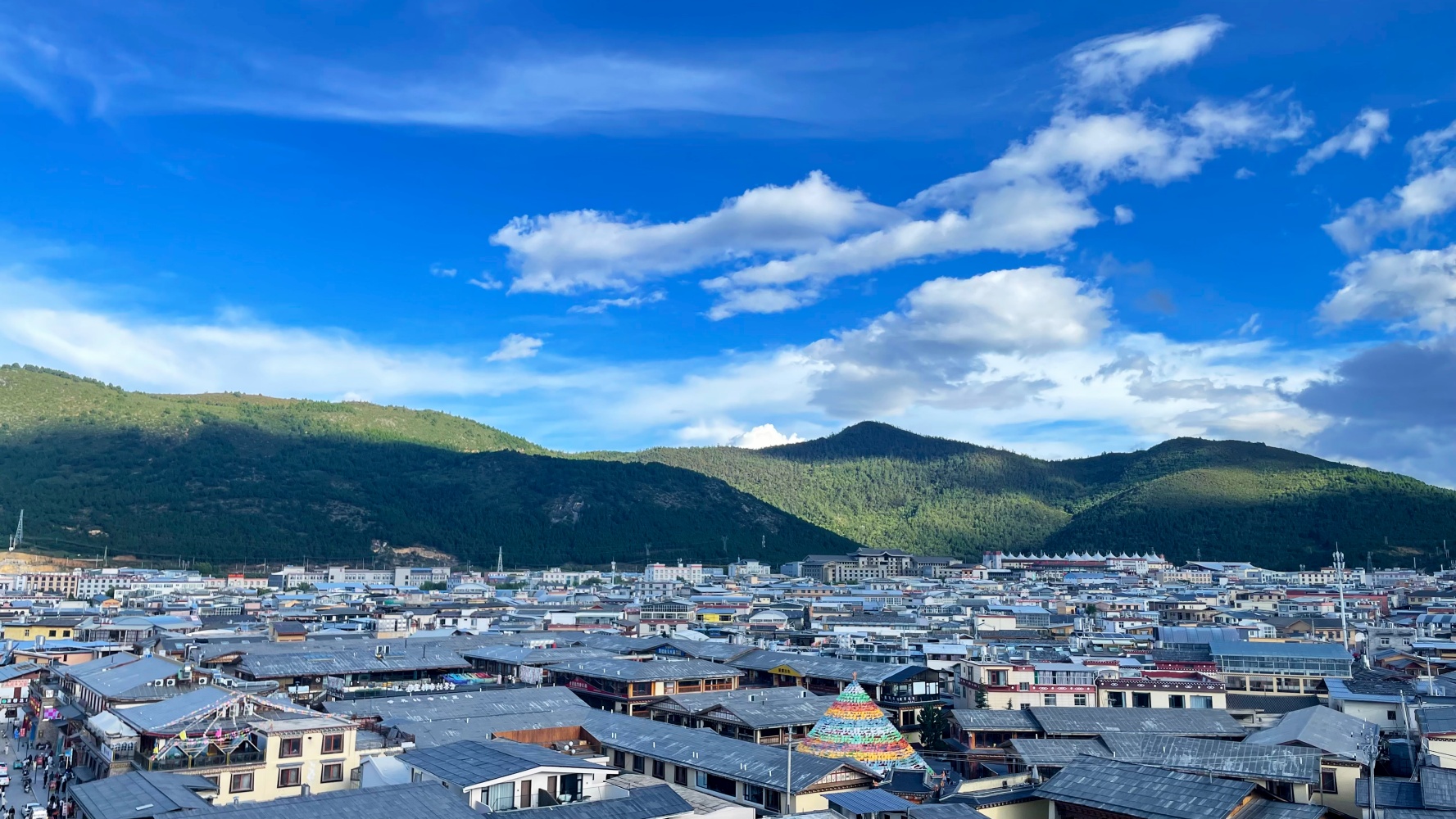
Legends of a utopian paradise hidden deep in the Himalayas—a realm of pure love and compassion—were first recorded as Shambala in the Hindu Puranas and Tibetan Kālacakra scriptures, later inspiring James Hilton’s 1933 novel Lost Horizon and its famous coinage “Shangri-La”—a myth that has long blurred the line between fiction and reality. How fortuitous, then, that my journey brings me to Shangri-La: the only city of that name, situated in the Diqing Tibetan Autonomous Prefecture of Yunnan Province, celebrated for its ancient monasteries and vast Himalayan landscape.
At close to 3,300 metres, Shangri-La is described as the land nearest to heaven—though the thinner air means altitude sickness is a genuine possibility. The remedy is simple: begin in Lijiang, the closest city, where a night or two is just what the body needs to acclimatise. Lijiang is a legend in her own right—famed for her UNESCO Heritage Towns, the ethereal Jade Dragon Snow Mountain and the heart-stopping Tiger Leaping Gorge.
The finest address here is Banyan Tree Lijiang, a short stroll from Shuhe, one of the oldest heritage towns on the Ancient Tea Route, with Jade Dragon Snow Mountain gracing the horizon from the hotel entrance.
Sojourn in Banyan Tree Lijiang
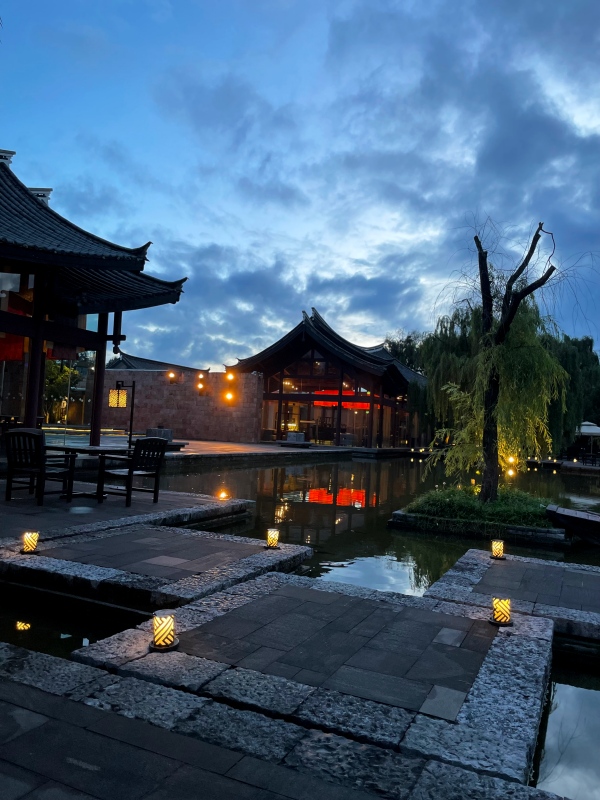
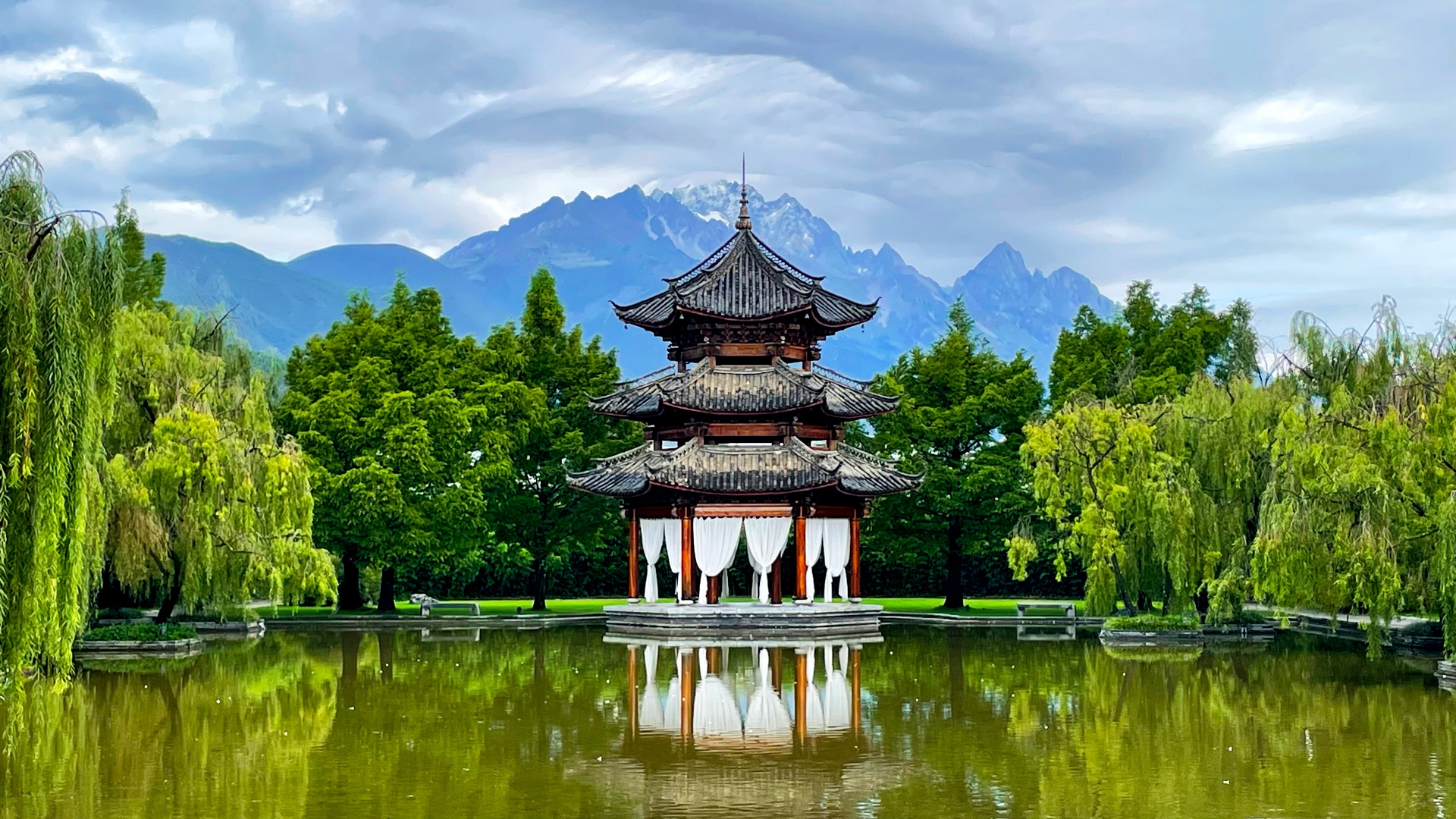
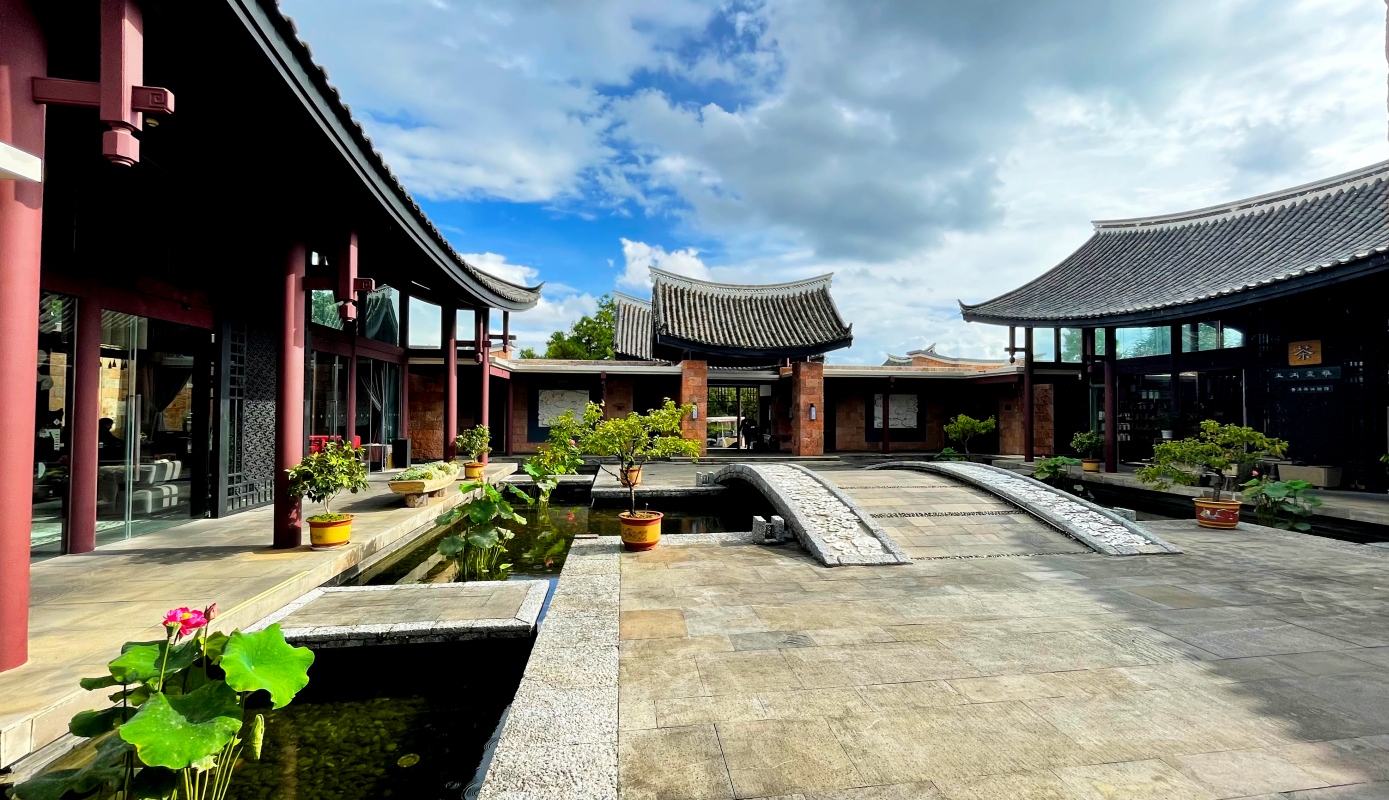
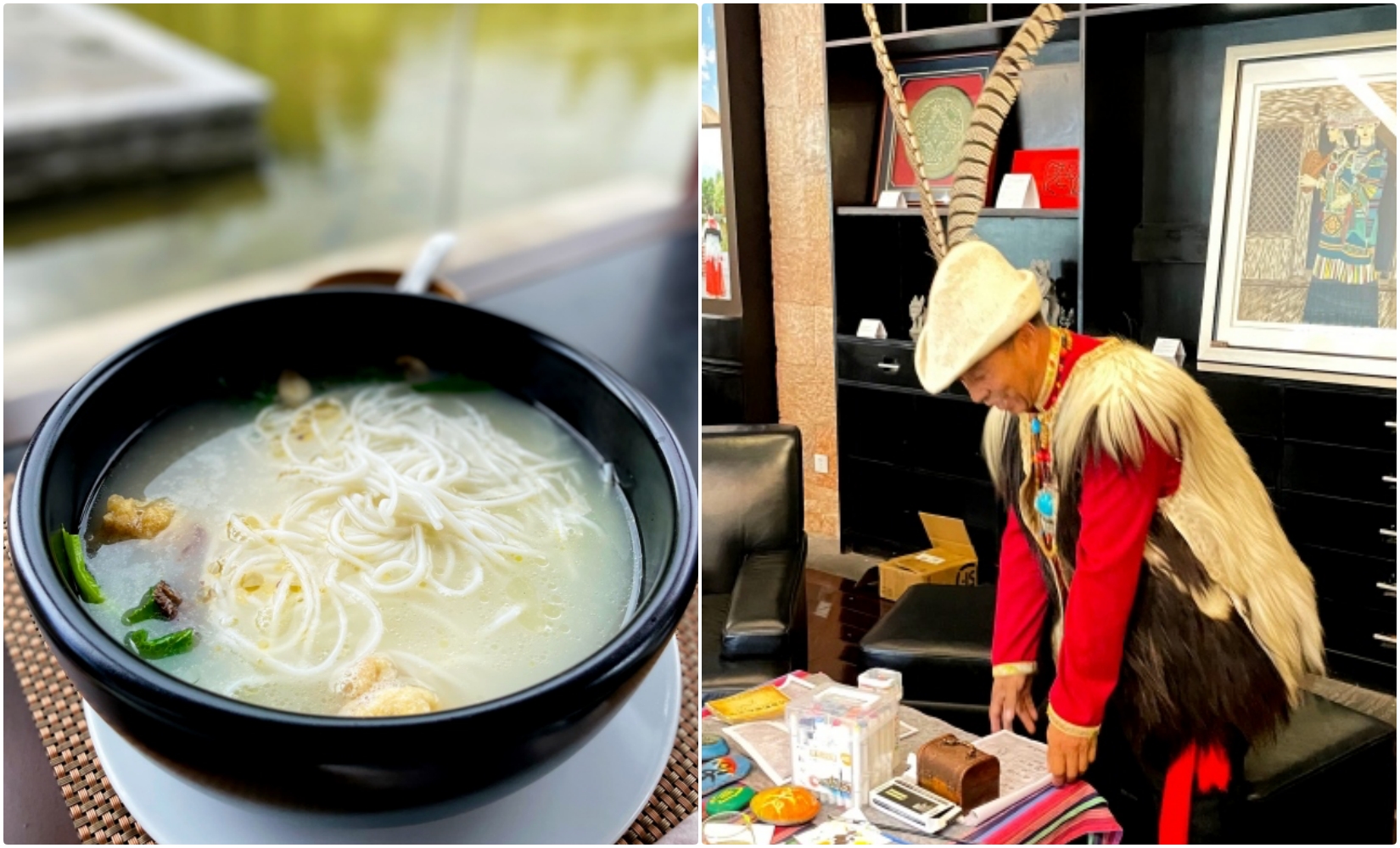
Generously proportioned villas and suites unfold with Oriental flair At Banyan Tree Lijiang. Heated courtyard pools, palatial bathrooms, a garden lake where white ducks drift around a three-tiered pagoda. Once arrived, a Naxi Wiseman greets guests with blessings and folk tunes. These set the tone of this exploration—spiritual, ceremonial, wonderfully still. Dining at Ming Yue is its own rite of passage. The restaurant’s signature “Crossing-the-Bridge Rice Noodles”—steaming broth served separately from the finest meats and vegetables—is a must-try. It takes its name from a devoted wife who crossed a bridge each day to feed her scholar husband, keeping broth and ingredients apart to preserve their freshness. Far yonder, the Jade Dragon Snow Mountain watches over every meal. Additionally, the property offers a bar, spa, library and a canopy of magnolia trees.
Even a brief stay opens a rare window into the world of the Naxi—an indigenous people devoted to music and dance, celebrated for falconry, and remarkable for having developed their own writing system. The Dongba Script, a form of pictographic glyphs reminiscent of ancient Egyptian hieroglyphics. One afternoon spent with a Naxi Wiseman, learning about life or painting Dongba characters to take home as a keepsake connects guests to culture in an organic way, something Banyan Tree does so well.
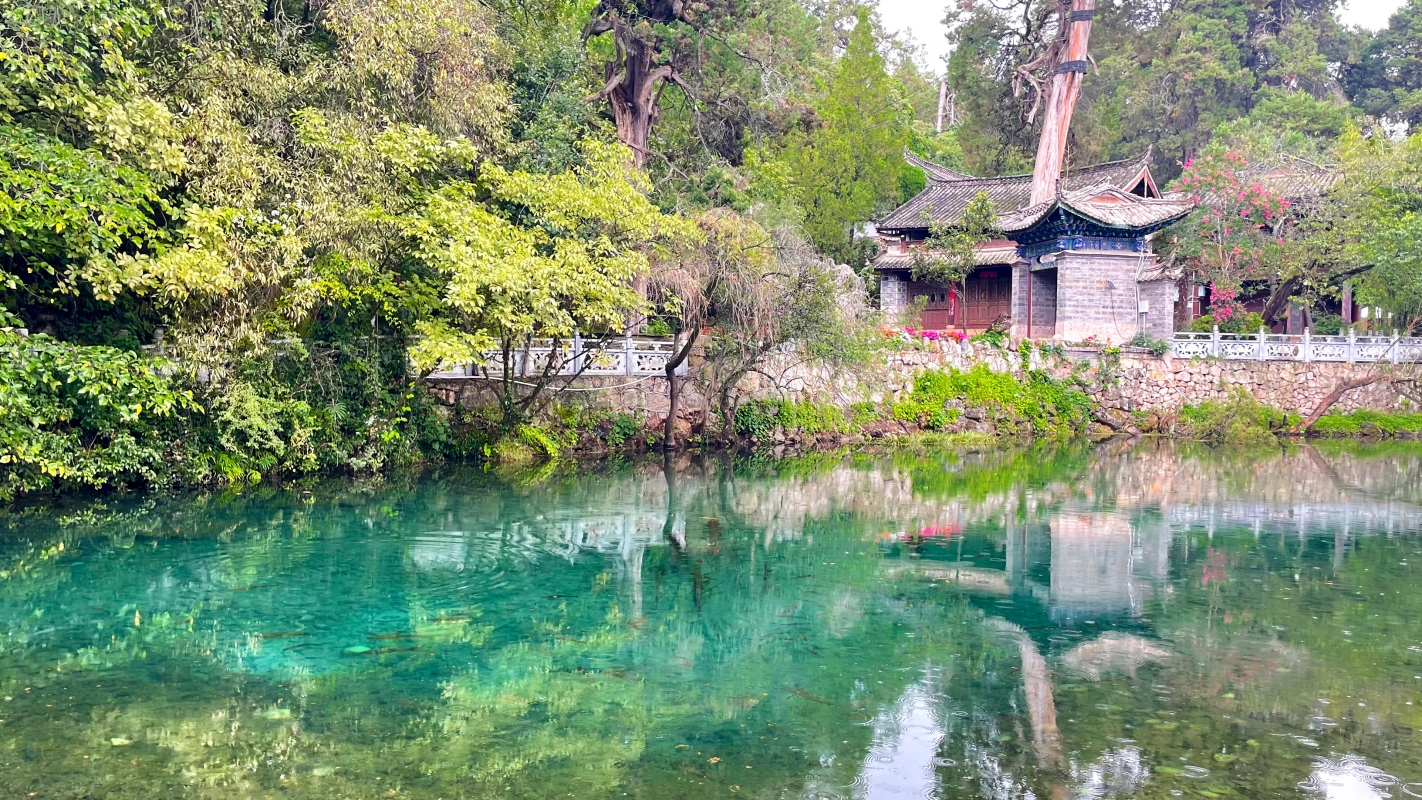
Elsewhere, Shuhe Ancient Town is but a short walk from the hotel, drawing one into tea houses with the finest Pu’er and mirrored lakes that encourage imagination. Also known as Dragon Spring Village or Water Town, Shuhe wears its solitude graciously. Cobbled lanes, clear canals, dark-tiled rooftops, red lanterns, Dongba script at every turn. Its quiet charm disarms any sense of hurry. A slow day here is the finest meditation—and the perfect prelude to what lies ahead: Tiger Leaping Gorge.
Fun at Tiger Leaping Gorge
It’s early morning: time to hike! At a maximum depth of 3,790 metres—twice that of the Grand Canyon—Tiger Leaping Gorge (TLG) is among the world’s deepest river canyons. A natural wonder carved by the Jinsha River between Jade Dragon Snow Mountain (5,596m) to the east and Haba Snow Mountain (5,396m) to the west. All in all, the full 22-kilometre trail spans Upper, Middle and Lower sections over one to two days. However, most seasoned hikers favour the Middle, widely considered the most dramatic stretch. Allow three hours—more if the views, as they inevitably do, bring you to a standstill.
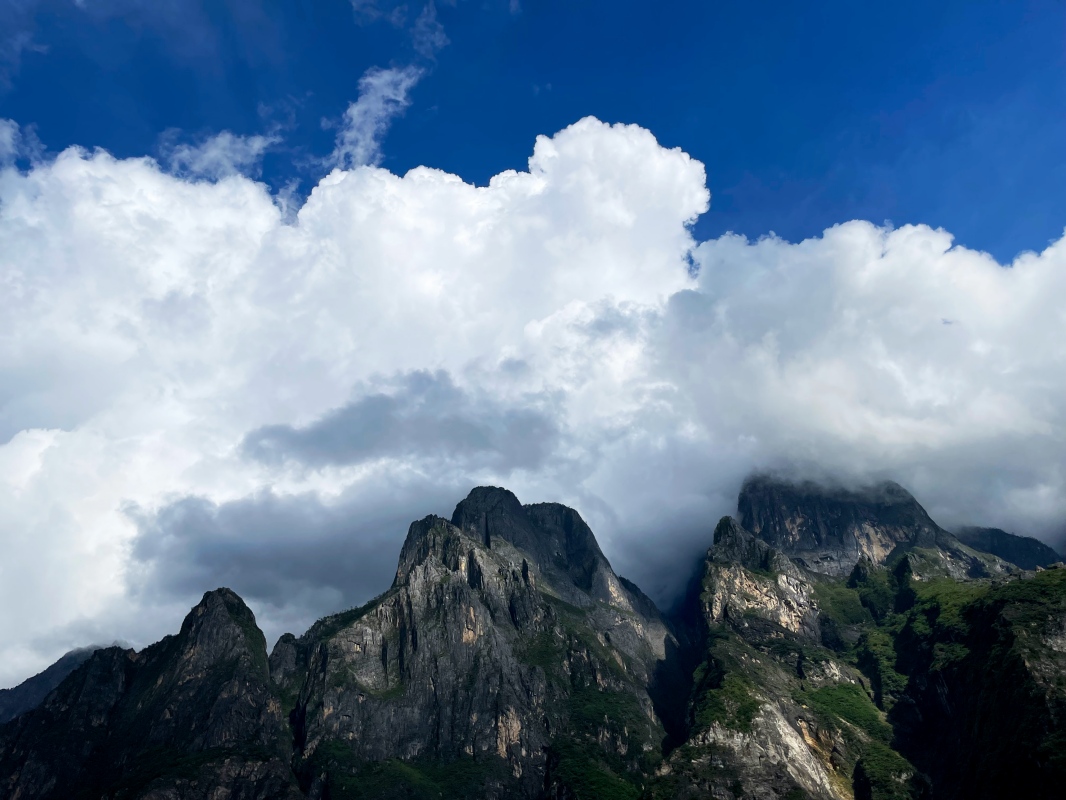
The ascent is steep and at times vertiginous. One navigates crumbling edges, slippery waterfalls and the occasional nonchalant band of mountain goats heading in the opposite direction. Cairns punctuate the dusty path; light rain is not unusual, so a waterproof jacket earns its place in the backpack. Standing at such altitude, gazing down at the roaring river and across to those monumental peaks, every fibre awakens to a profound reverence for the natural world.
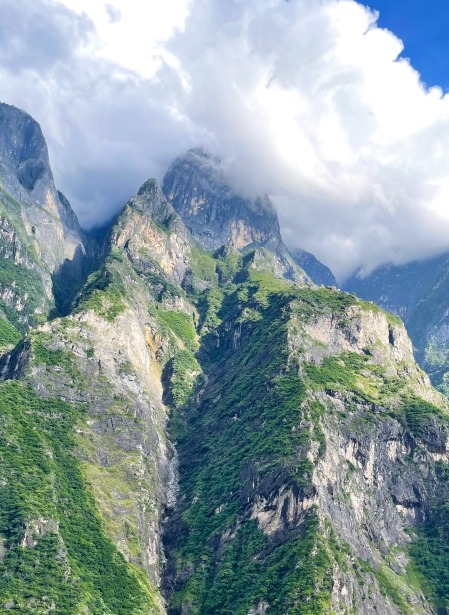
The exhilaration lingers long after the descent. Conveniently positioned between Lijiang and Shangri-La, TLG also serves a practical purpose. The day’s exertion has acclimatised the body to altitude, and the road onwards to Shangri-La begins here.
Banyan Tree Lijiang is located at Yuerong Road, Shuhe, Gucheng District, Lijiang, Yunnan P.R. China 674100. Web: www.banyantree.com; email: lijiang@banyantree.com. Instagram: @banyantreelijiang
In the Arms of Banyan Tree Ringha
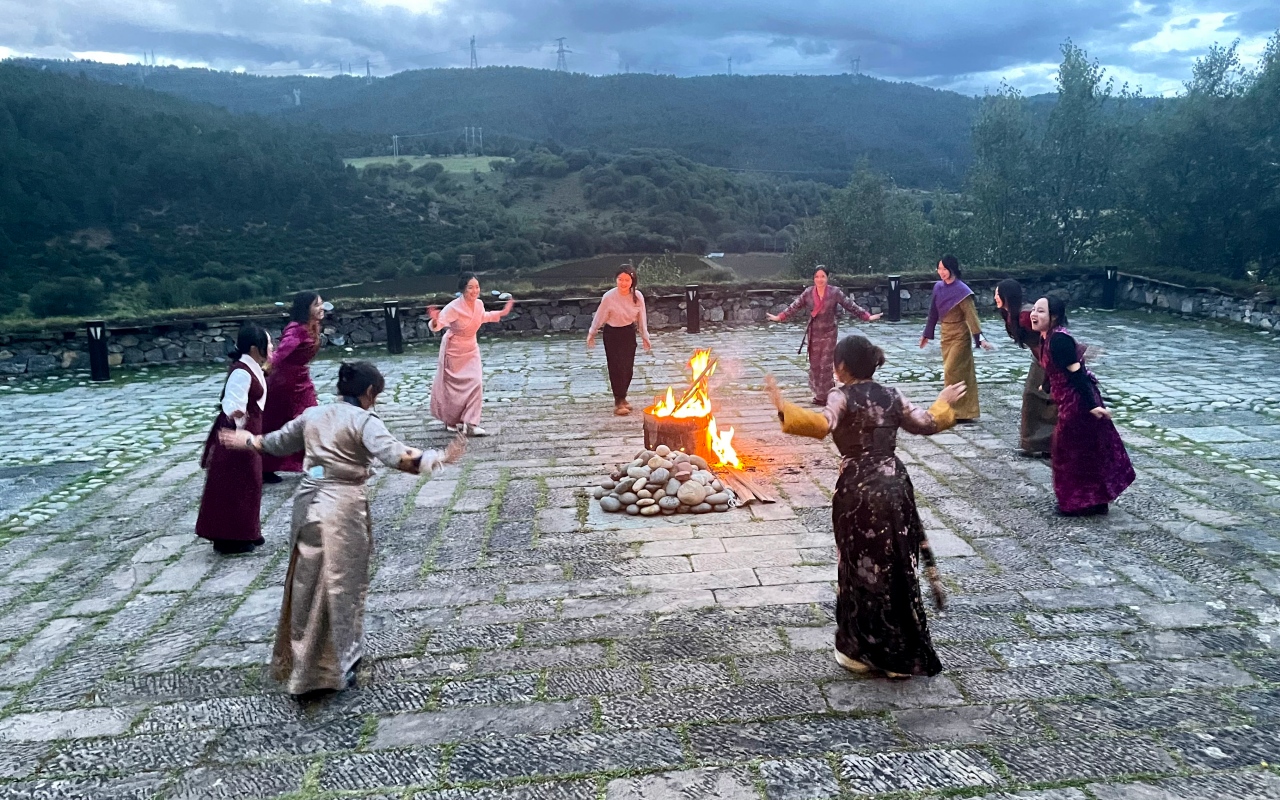
One arrives into a mountain-cradled village to find Tibetan performers dancing and singing clockwise around a bonfire — the Guozhuang folk dance. Their colourful Chuba (the traditional ankle-length robe of wool or sheepskin) ripples in the cool highland air, ushering travellers into a dream of a sunset.
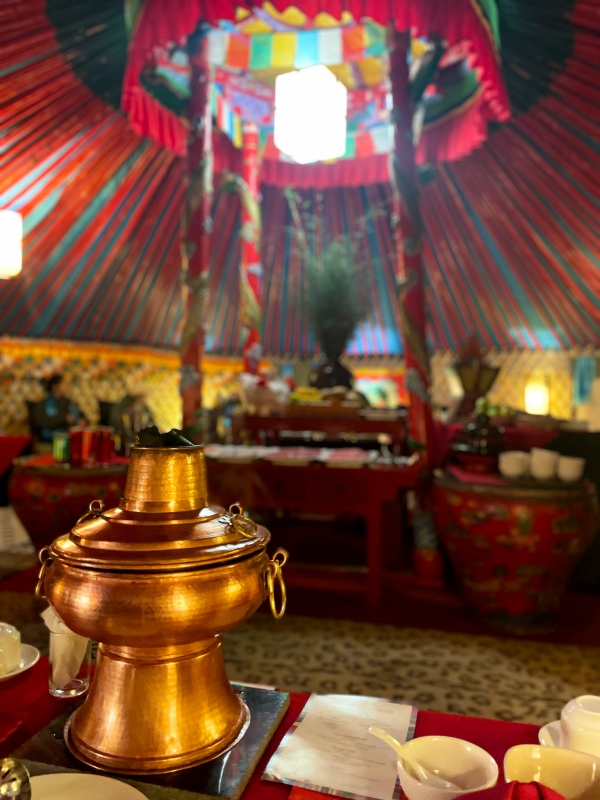
Soon, dinner follows in a crimson Mongolian yurt — a nomadic tent whose domed crown, the Toono, connects earth to sky. Within: wooden lattice walls draped in magnificent Tibetan textiles, cushioned low tables. And then the feast! Yak meat (rich, deeply nourishing, a highland staple for its protein and Omega-3 content), seasonal vegetables, condiments and creamy yak butter tea. As music and dance take hold of the evening, conversation flows freely and laughter rises into the highland air. Travel is distilled, at its finest, to precisely this.
As the low growl of night wind settles over the valley, I had hoped for stars but find myself entirely content with a beautifully misty sky.
Sunrise in Shangri-La
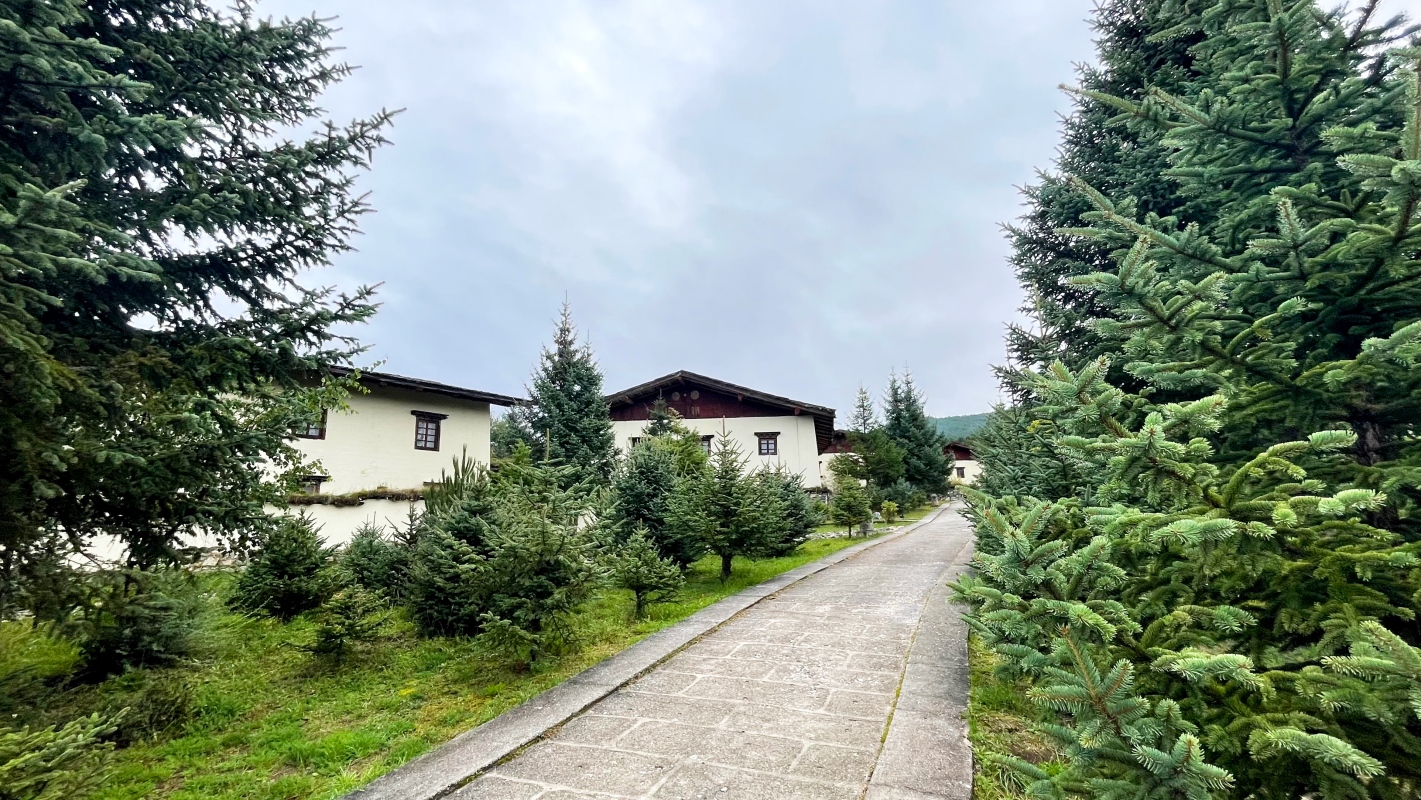
Waking on the Himalayan plateau is unlike anything in ordinary life. For one thing, the early morning brings herders with their flocks. Among them highland cattle drifting across open pasture, horses crossing the river unencumbered. Moreover, at Banyan Tree Ringha, guests inhabit a genuine Tibetan farmhouse—built from indigenous stone, wood and earth—elevated by the discreet pleasures of a luxury villa. Double-storey and generously proportioned, it offers a freestanding bath and separate shower downstairs. Then a refined sleeping quarters and sitting room reside above.
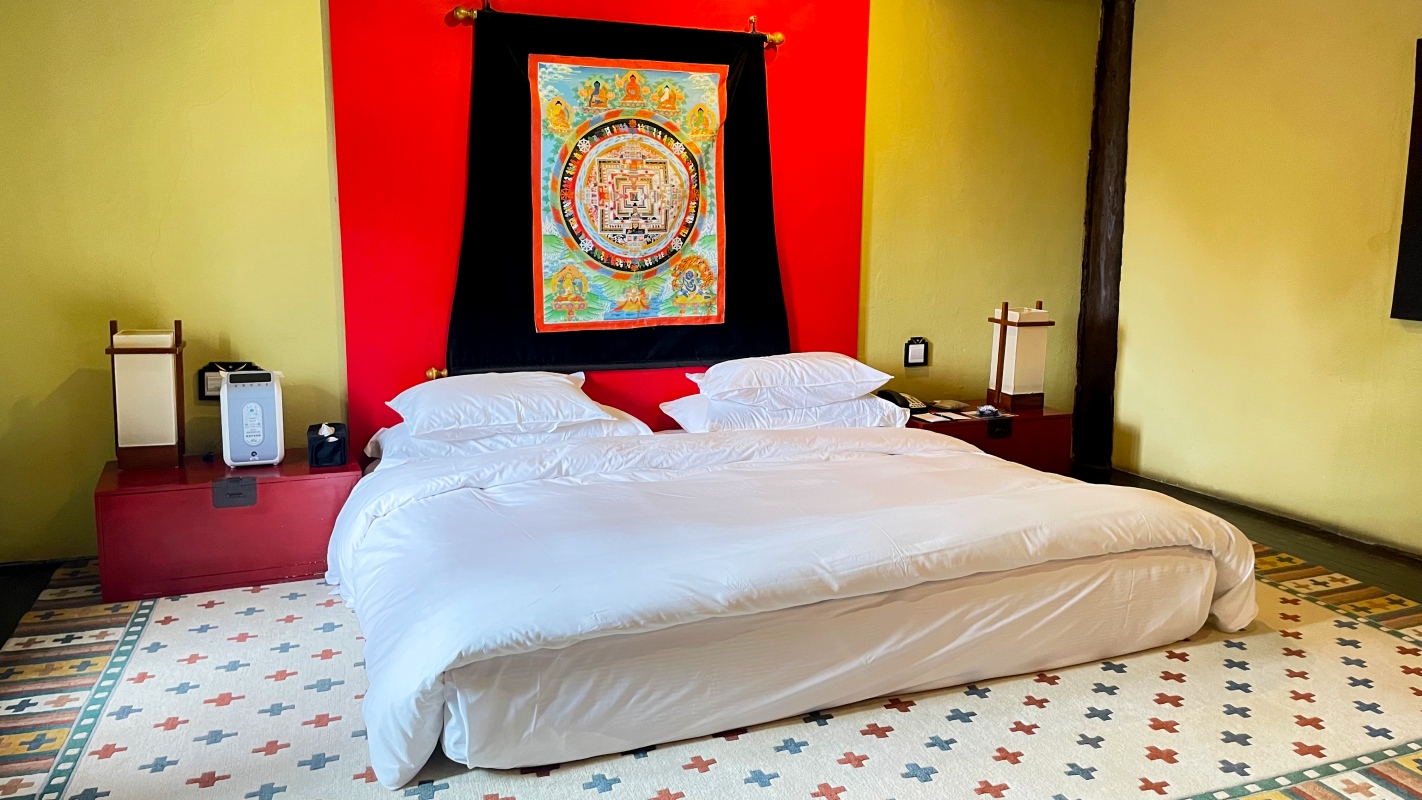
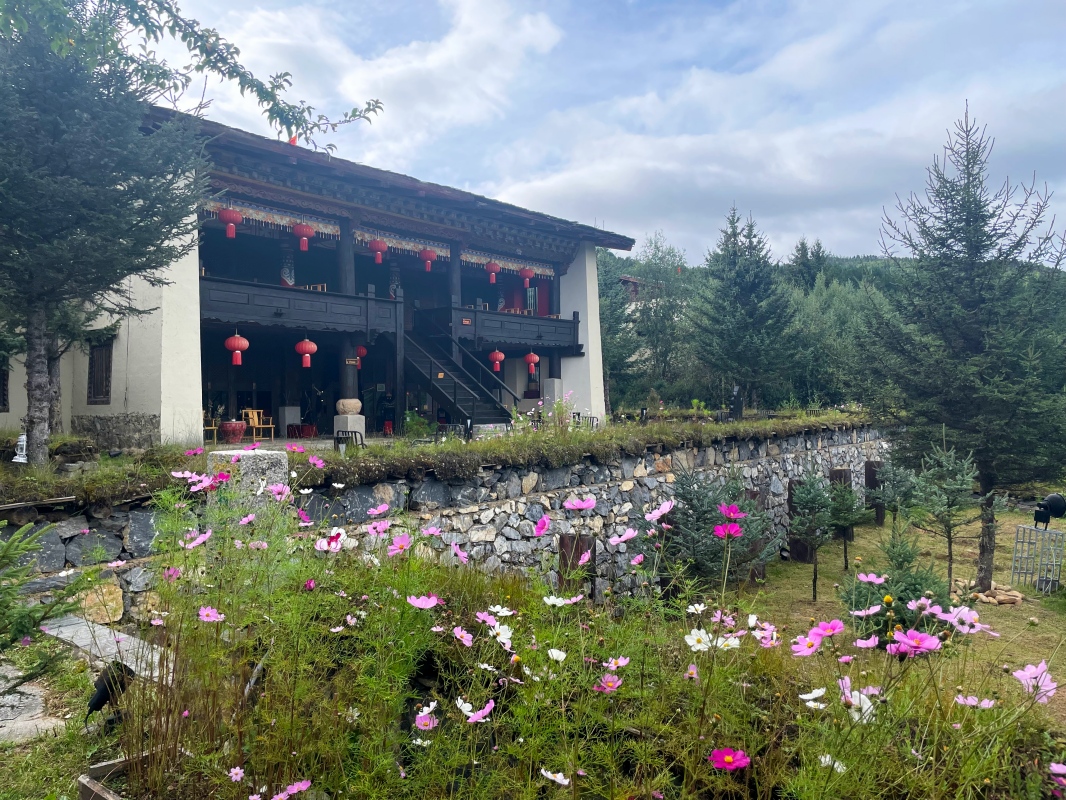
Additionally, there’s even a dedicated corner for business-ing or writing. A television set exists, but it is no match for the balcony’s view of meadow and open sky. After a generous breakfast, the estate invites slow exploration. Here, Tibetan villagers tend their herds as their forebears have done for generations. Theirs is a way of life that serves as a genuine touchstone for the sublime. Meanwhile, wild rivers rush through rugged terrain, juniper and alpine forests frame the horizon, and the Himalayas do what they have always done: put life into perspective, and restore the spirit to its natural state of peace.
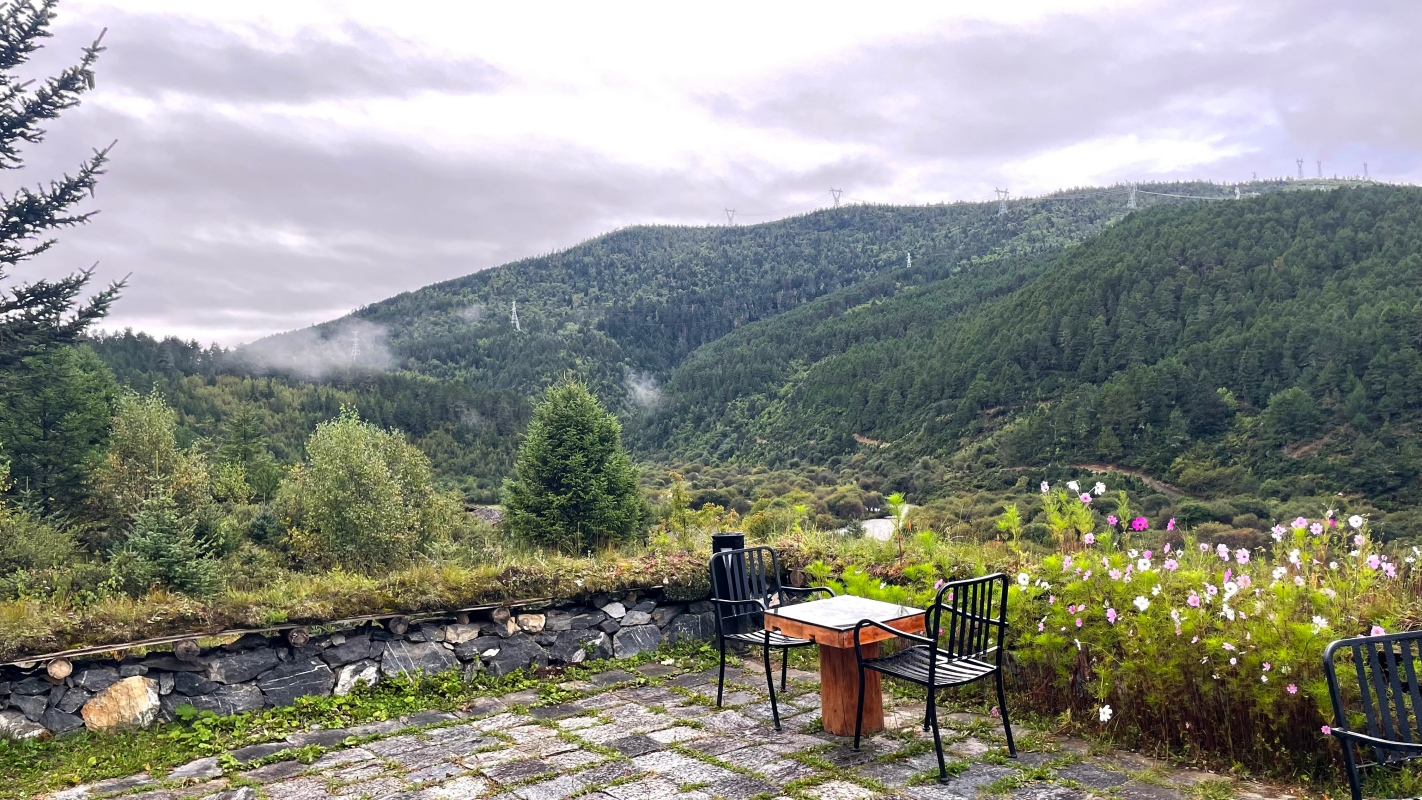
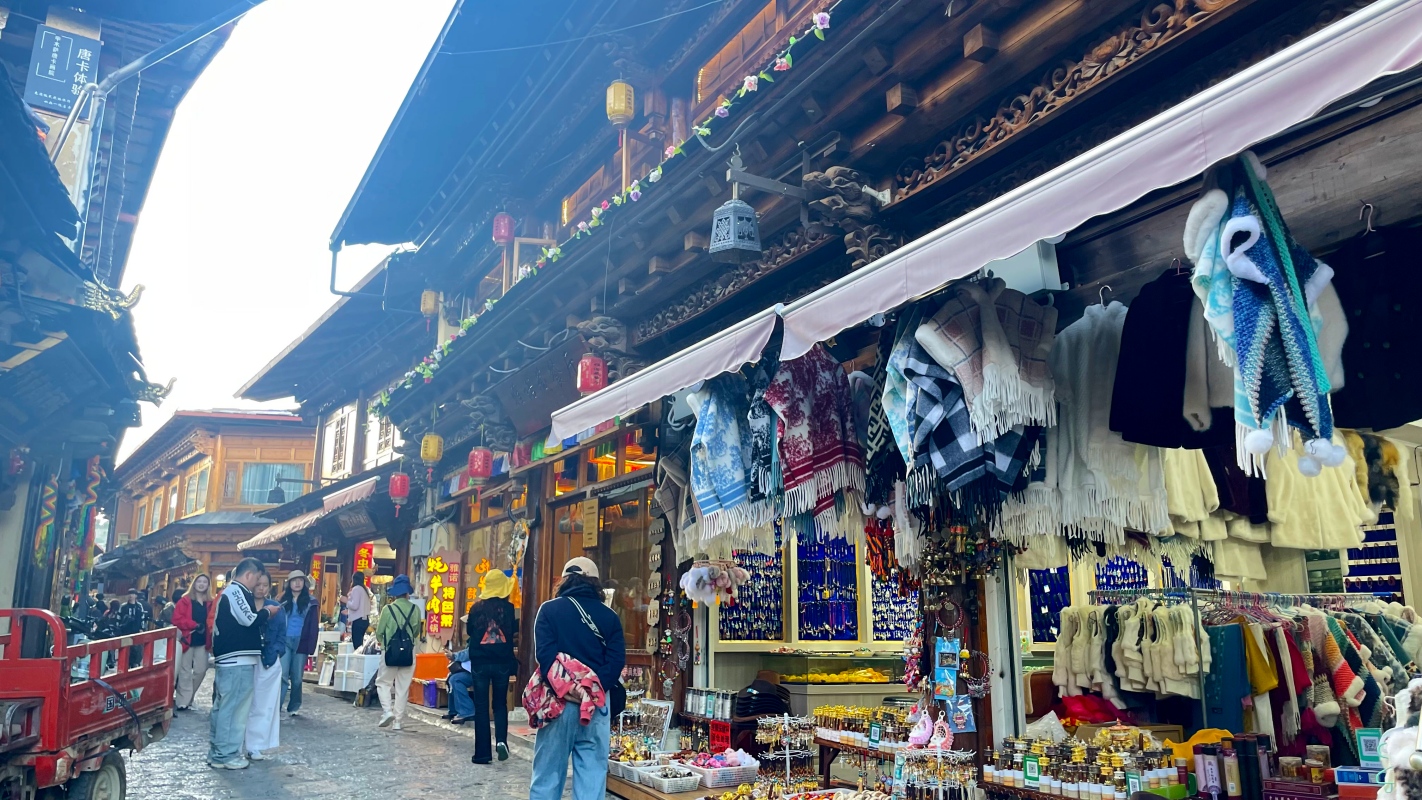
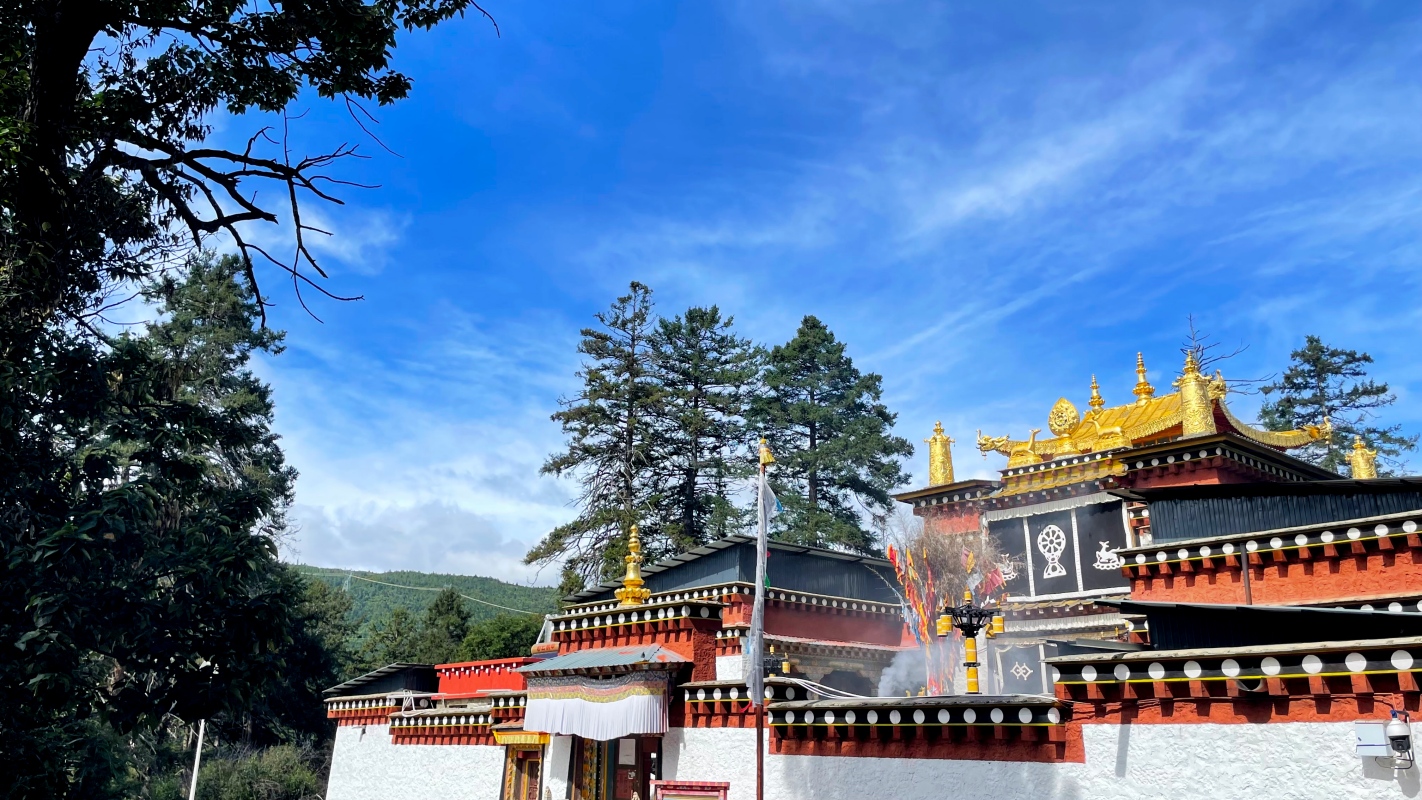
What distinguishes Banyan Tree Ringha above all is its situation—a gentle stroll from Naiqin Jiwa Renang (Tibetan) or Dabao temple, a sacred site more than 700 years old, visited by the Fifth Dalai Lama himself. From there, a call upon a local Tibetan household where the family matriarch presses homemade snacks and butter tea upon you with irresistible warmth. Return on foot via the river trail before the last of the light fades. Singular experiences, all within a single village. No artifice. Entirely real.
Banyan Tree Ringha, Hong Po Village, Jian Tang Town Shangri-La City Diqing Tibetan Autonomous Prefecture 674400. Web: www.banyantree.com; email: ringha@banyantree.com