





Inside Aspen Golann, Ibrahim Said, and Joy Harvey’s Reinterpreted Crafts With Vacheron Constantin and The MET
Aspen Golann, Ibrahim Said, and Joy Harvey present new craftsmanship under the Artisan Residency Programme, in collaboration with Vacheron Constantin and The Met—honouring heritage while challenging conventions.
- Words
- Syameen Salehaldin
- Published
- Lifestyle · 28 October 2026
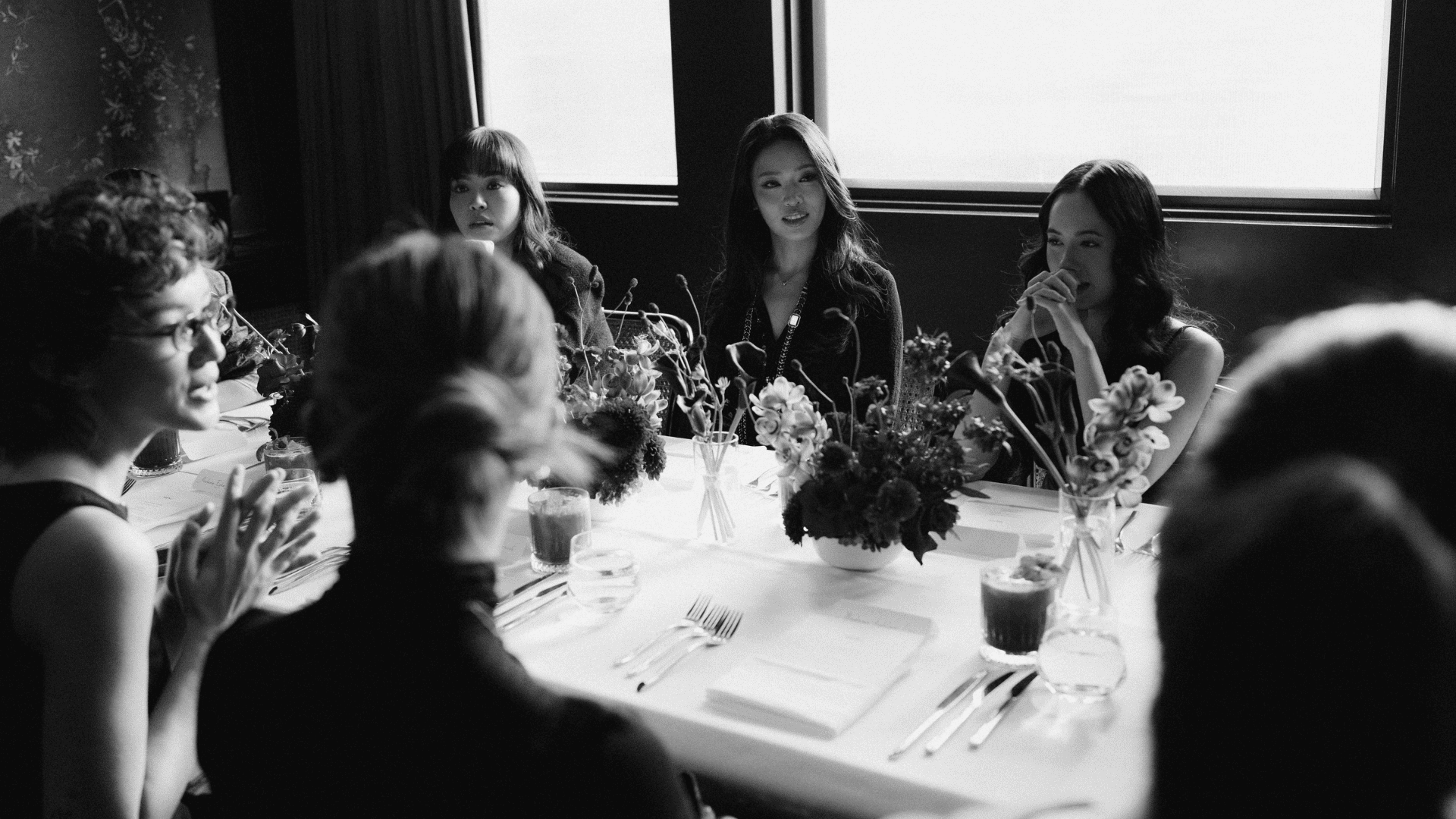
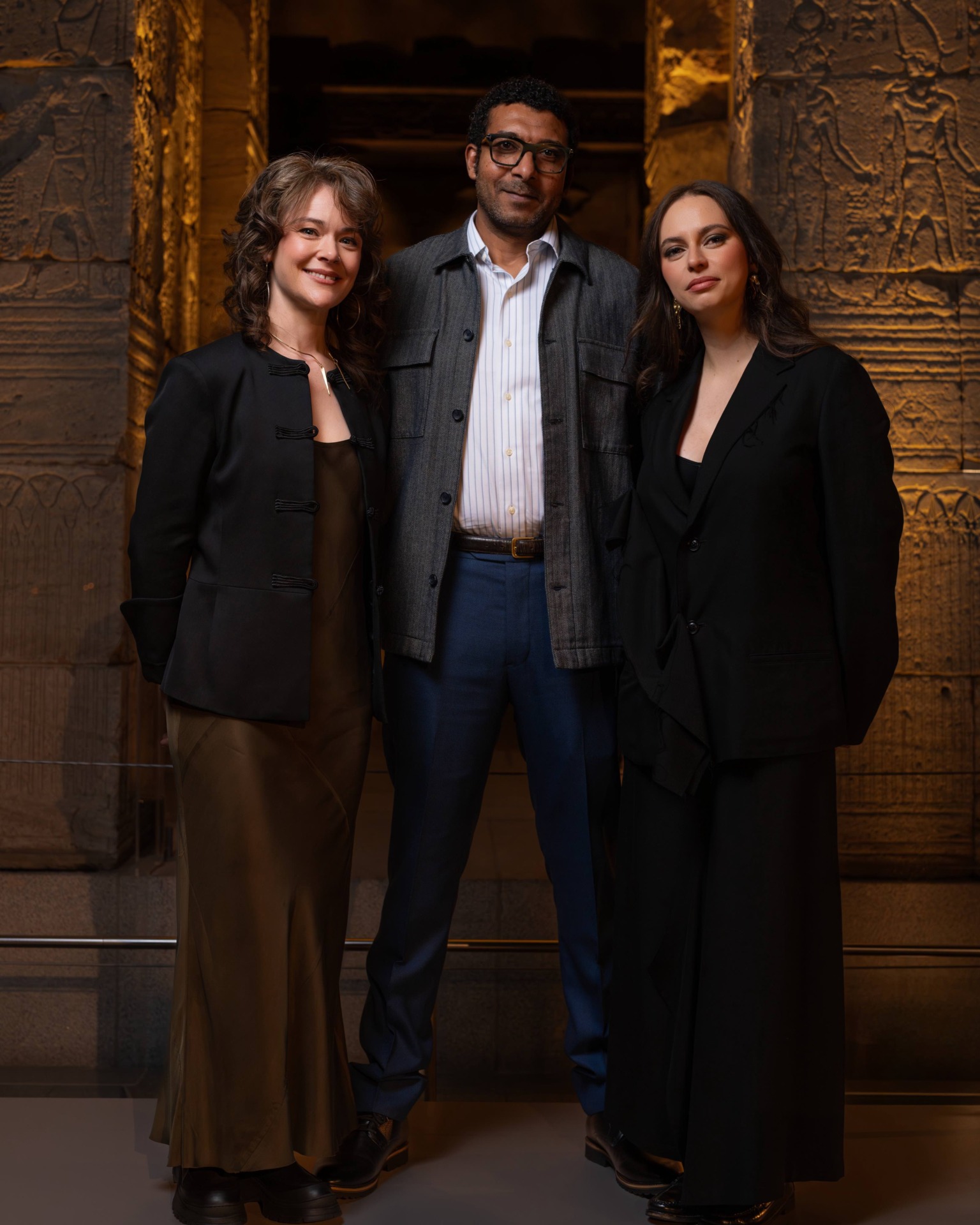
Since its May 2025 launch, the Artisan Residency Programme, a collaboration between The Met and Vacheron Constantin, has aimed to keep the world’s most beautiful craftsmanship and artisans alive while giving them room to evolve. Built on three pillars, the programme continues to nurture a wide range of artistic skills, push traditional craftsmanship into new forms of expression, and inspire future generations through the exchange of ideas. Last month, Vacheron Constantin hosted an event at The Met in New York, where three selected artisans unveiled works they created during an 18-month residency spanning New York, Geneva, and their home studios: American designer Aspen Golann, Egyptian-American ceramicist Ibrahim Said, and Anglo-Italian goldsmith and jeweller Joy Harvey. Drawing on The Met’s storied collections and Vacheron Constantin’s decorative expertise, each has created traditional decorative crafts while challenging convention through invention and imagination.
How do you decide which aspects of a traditional craft deserve reverence and preservation, and which aspects are subject to innovation?
Aspen Golann: I often think about craft as a distinct form of art—a collective, cultural genius. It comes from hundreds of thousands of people contributing to processes until they become indescribably elegant and perfectly attuned to the material they’re working with. At the same time, I like to think of those processes as separate from, or untethered from, the aesthetic traditions we associate them with. As long as I know this language of craft, I can use it to say anything I want. And that’s the goal, right? To treat it as a system of thinking and a collective process of creating objects.
Joy Harvey: You don’t seek innovation actively. You try to do the best you can with your vision, and you try to achieve that. To do that, you use and learn different techniques. For me, the beauty is in the challenge. Learning new techniques lets you see different ways people have thought about it. So innovation happens when you’re curious, experimental, and fearless. Sometimes things don’t work, and we discard them. We pretend they never existed, but those are the fun parts. Understanding why something didn’t work and trying again differently until you get where you want to be—that’s how you get innovative.
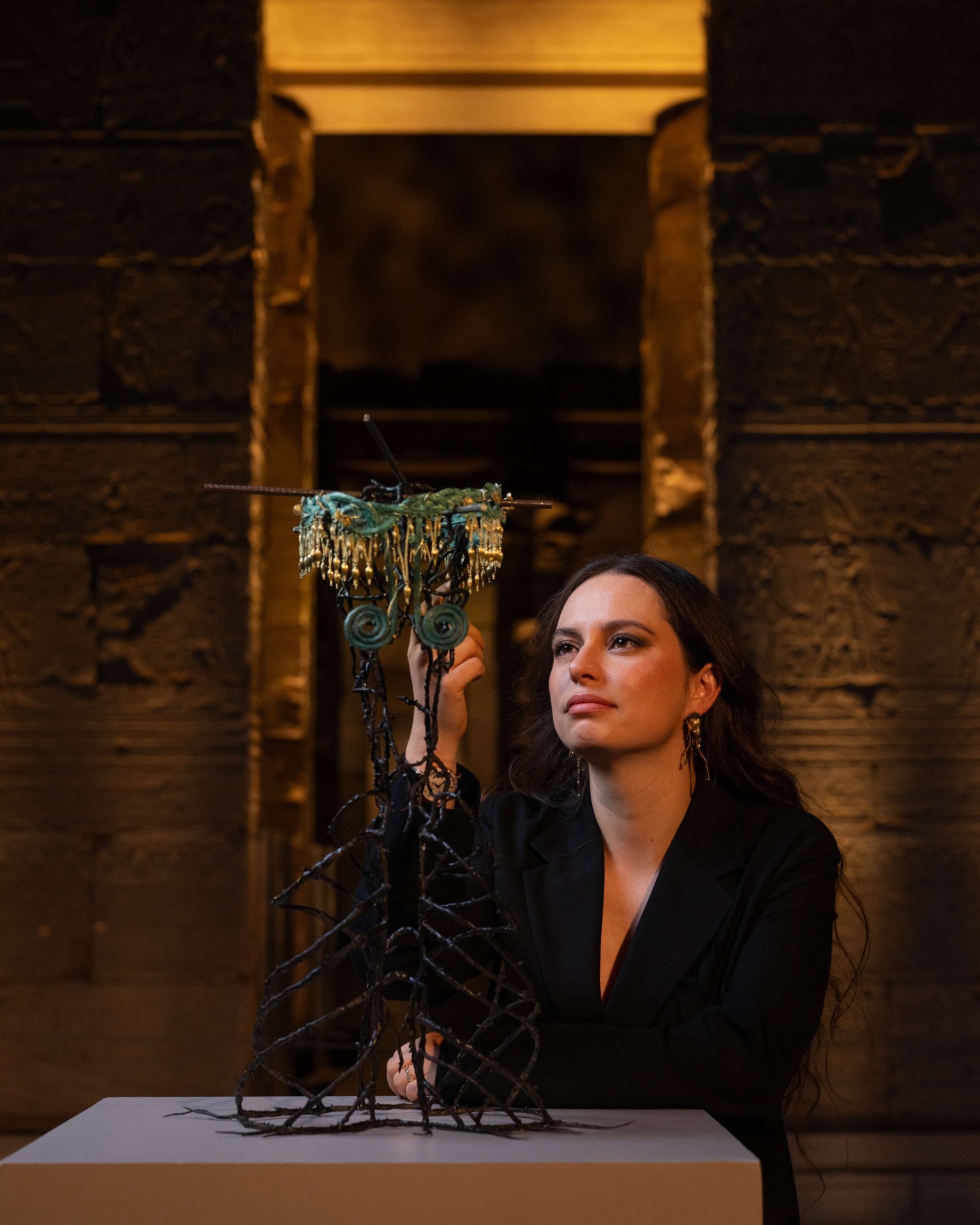
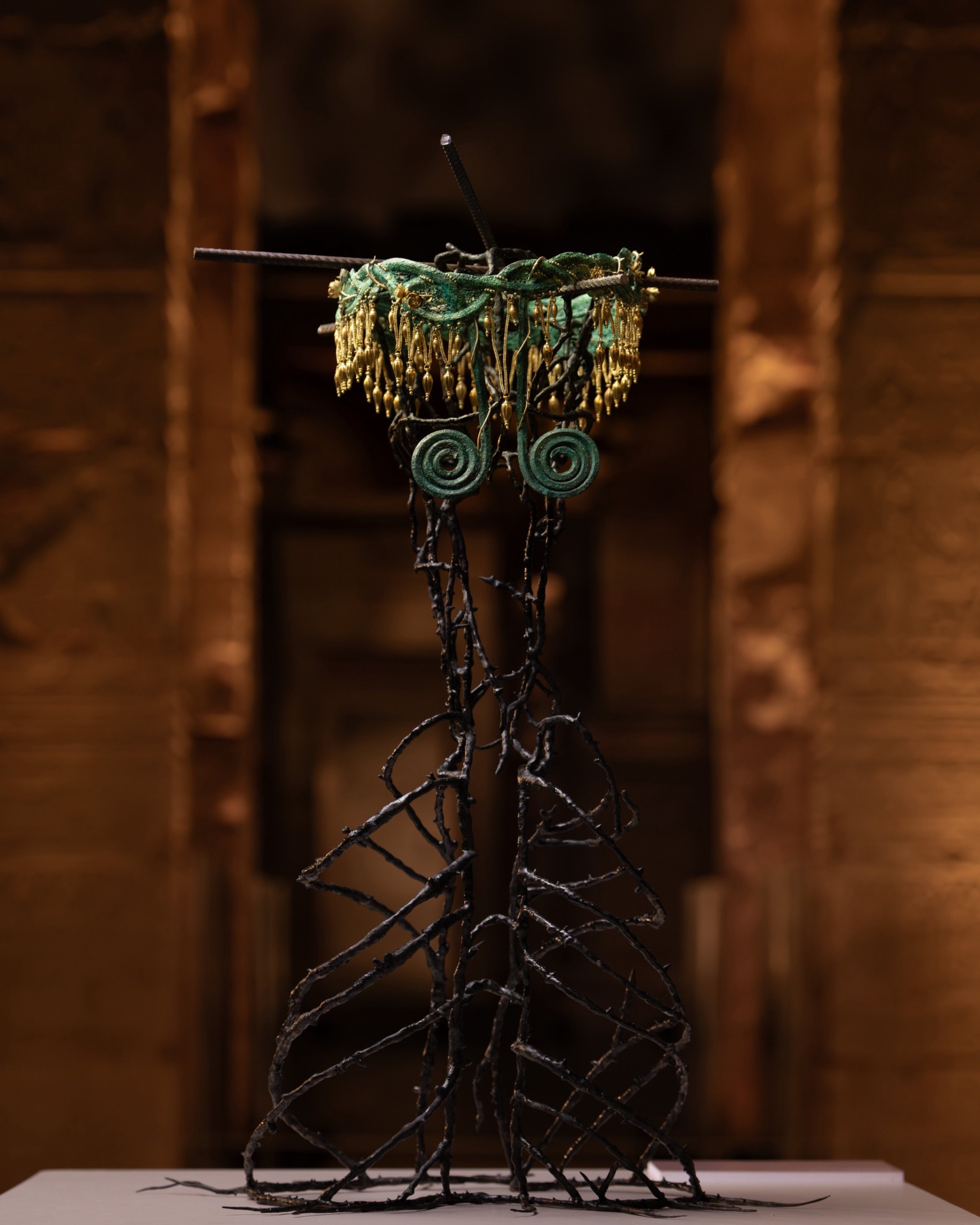
Joy, can you speak a little bit more about some of the risks that you took that maybe did work out or did not work out in this piece directly? Was there anything your time, either at Met or in Geneva, inspired you to risk or try for the first time?
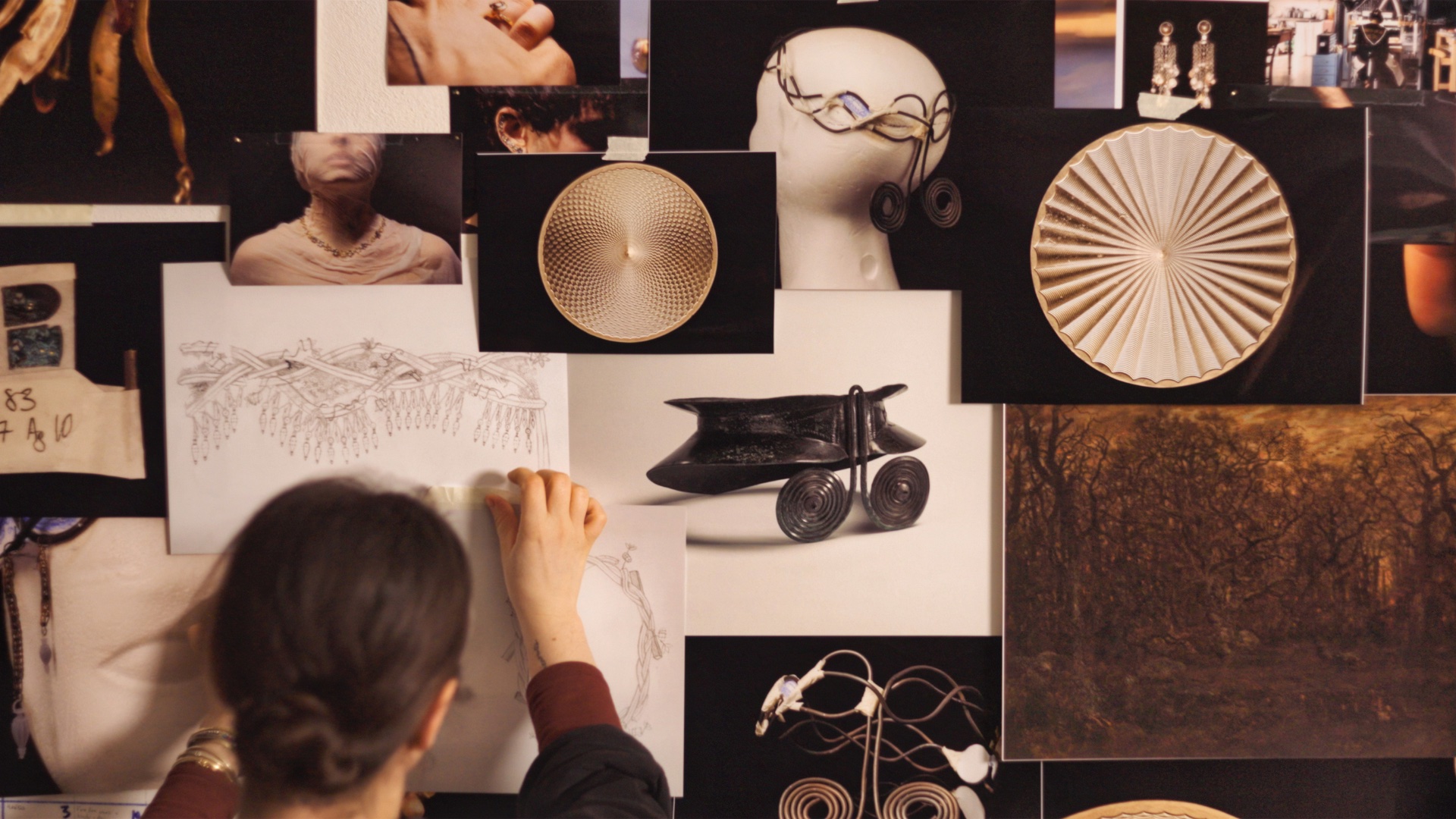
I’m a goldsmith, and goldsmithing is a very secretive language. It’s a craft that doesn’t really get passed down openly. So everyone finds their own way to create what they want, which creates many different paths. And you can go down each one of them and understand which one works for you. My piece explores ruination—a topic very close to my heart right now. Politically, we’re seeing climate change and destruction all over the world for different reasons. So I wanted to bring different kinds of destruction to my practice, but I tried to do it beautifully. To me, there’s beauty in ageing and in letting things become what they inevitably become over time. And I think in a certain way, the Met is all ruins. Everything we see, apart from maybe paintings, is a ruin, everything from the ancient world. And we get to stand there and sit with them and be where so many other people before us have been and look at a beautiful nose or wonderful cuff and think about what other people might have felt in that moment. But as a craftsperson, I try, or I hope, to feel what they felt while doing it.
I do everything by hand from start to finish. So I decide my alloys, and I melt them, I mill them, I do everything. That’s exactly how it’s been done for thousands of years. In that piece, I melted more than 2,000 links of gold. I pulled the gold until it was about 0.2 millimetres thick. Then I created the coil: I cut it, fused it, and made the chains. And that was frustrating. Some days it was incredible; I stayed at my bench and worked on it, which was great. Some days things didn’t work; the links broke. It was frustrating. But the way I felt is how artisans have felt since they began making objects.
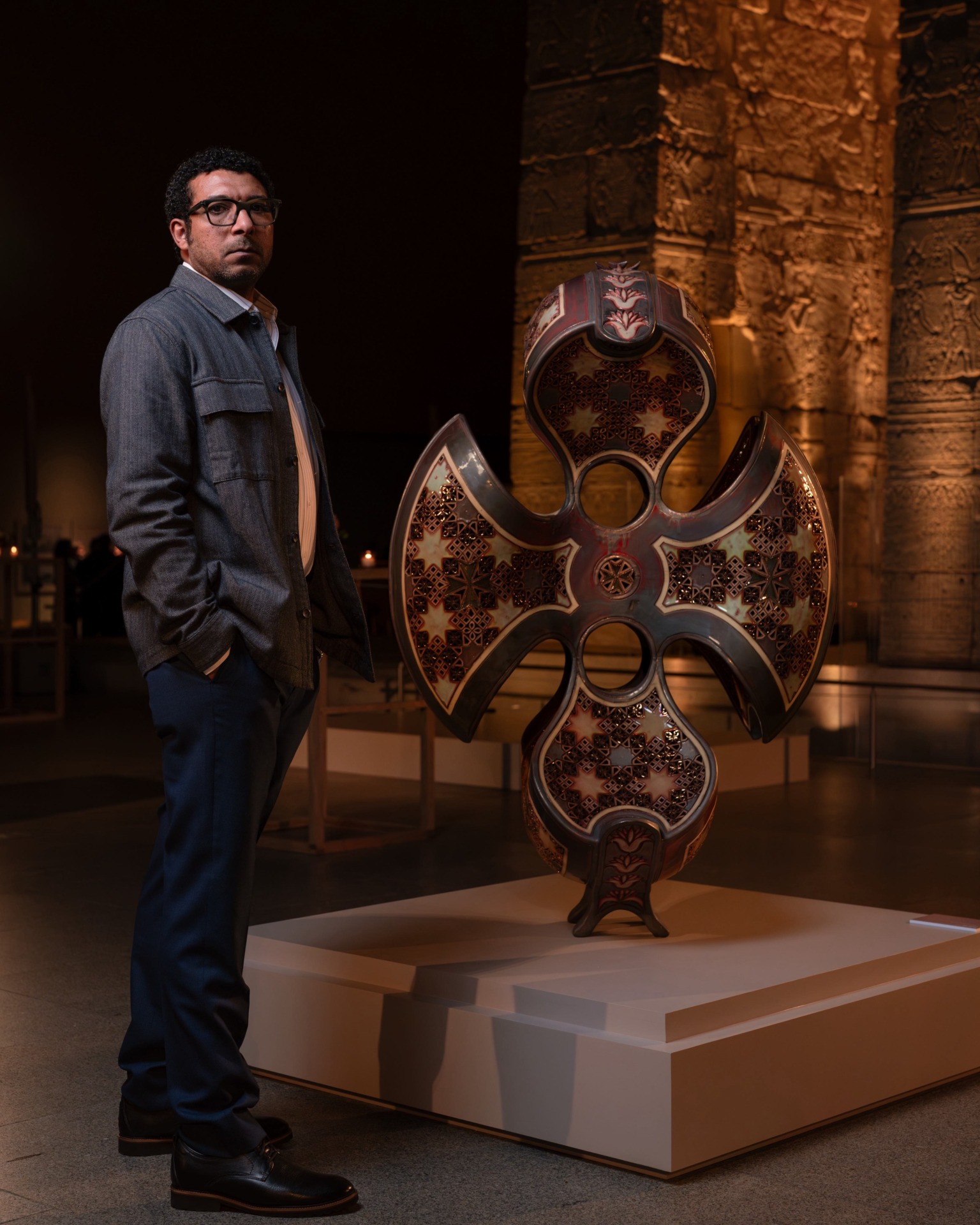
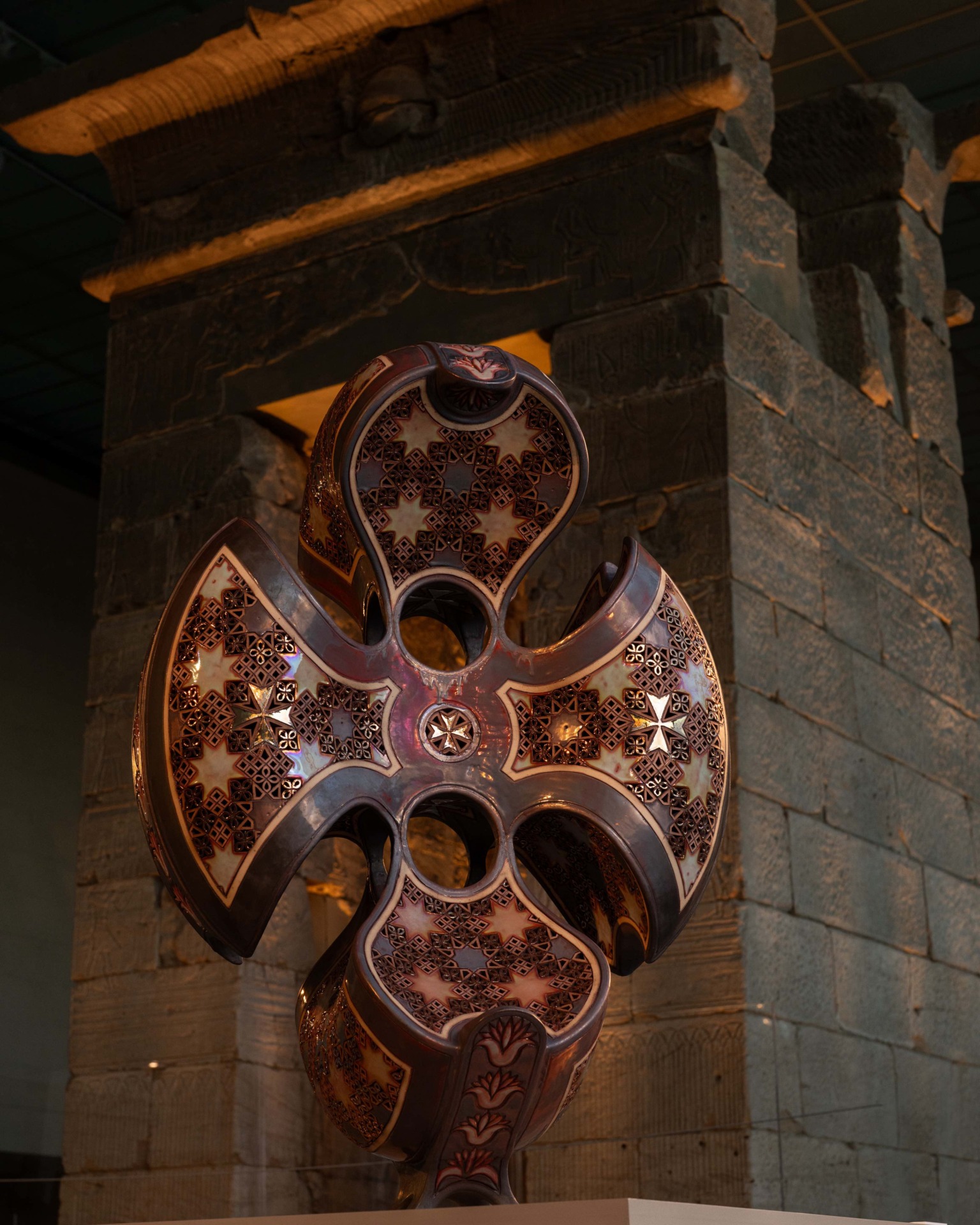
Ibrahim, your work Shaping Time uses many ancient Egyptian and Islamic motifs. Can you share what your access to the Met and the curators inspired, and what it was like to interact with ancient Egyptian ceramics and know you’re part of that lineage now?
I grew up in Egypt, and being at the Met with all these collections felt like I was back there. When I started thinking about the residency, I looked through the extensive collection in the Egyptian wing, and seeing the Lentoid Bottle (“New Year’s Bottle”) made me very excited. So I started crafting even before I got accepted to this residency; I worked on smaller pieces and thought about how I could challenge myself and make this piece the size you see now. I come from this culture, so I felt it in me. And then I started to put my head in the innovation we’re talking about—how I can cut this, how I open this space, how I twist it and make it, instead of a one-time circuit, but a two-time circuit. I love Egypt so much. So when I look at the object, I can relive the time.
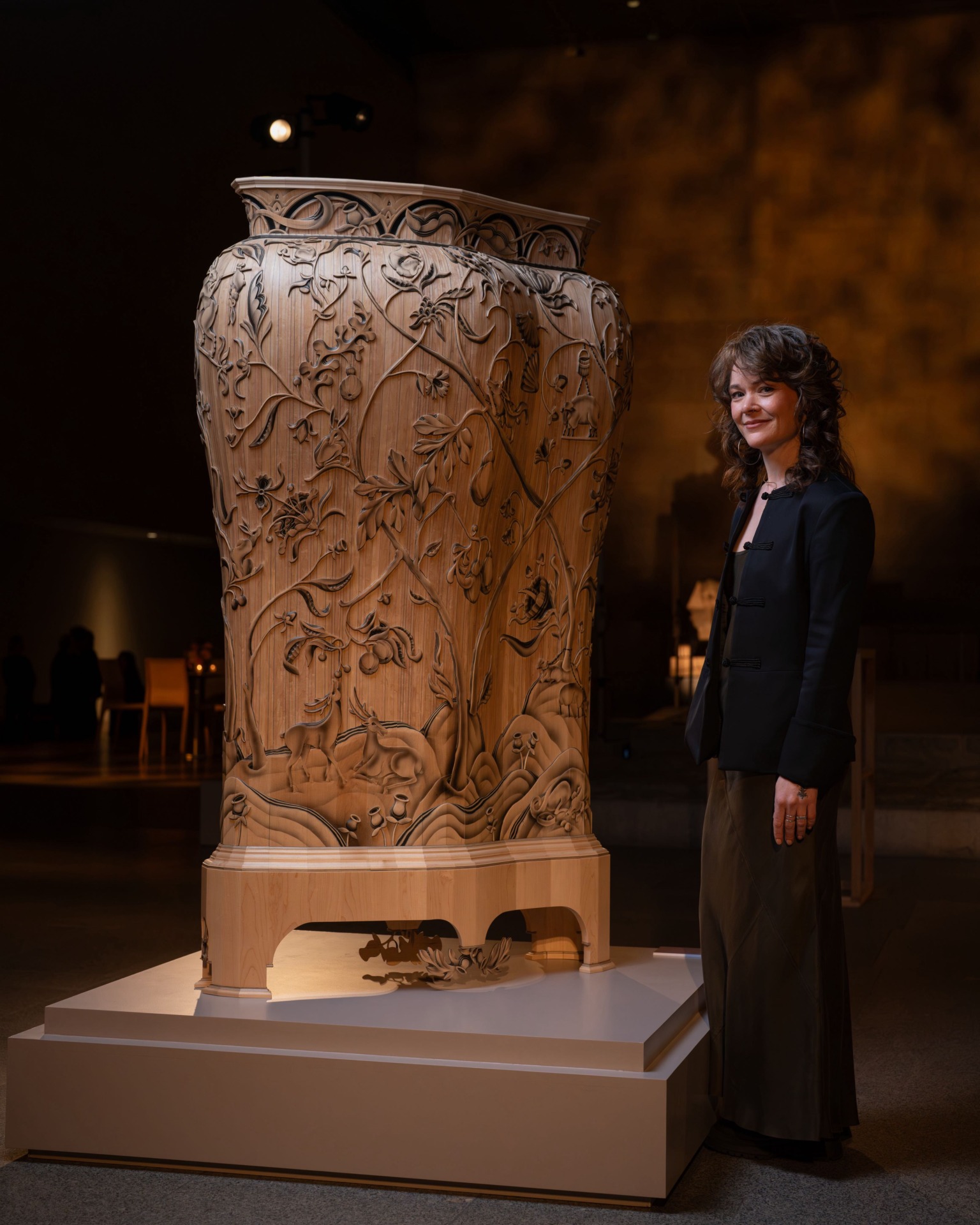
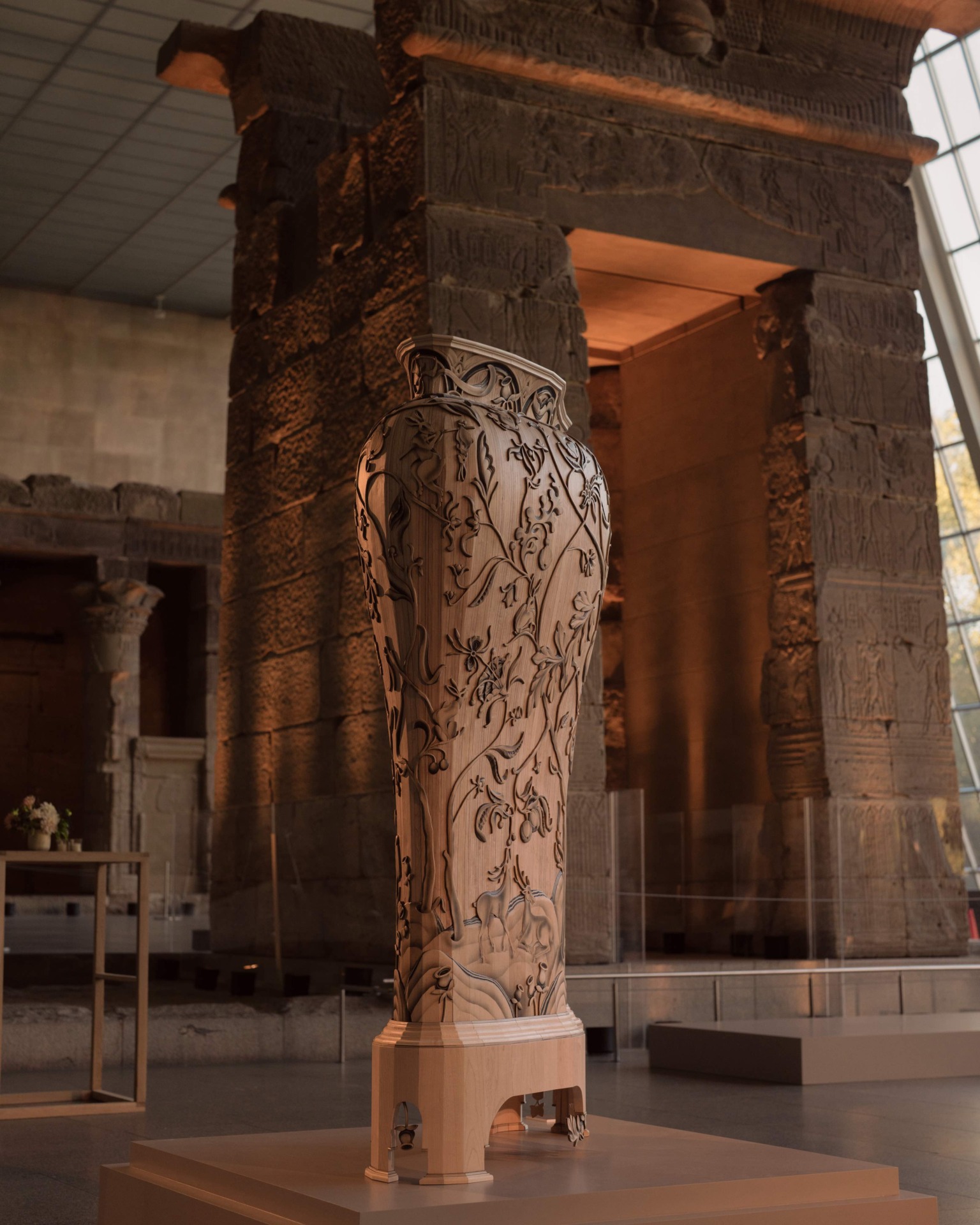
Aspen, your vessel is massive. Can you speak a little about your time in Geneva and which métiers influenced this work?
It is very difficult—nearly impossible—to get funding for work you’ve never imagined and can’t even verbalise because it hasn’t existed before. This residency gave me exactly that. It was terrifying and led to one of the scariest years of my life. This residency let me grow an entirely new arm of my practice. I’ve been known for chair making, for brooms; this is neither. Watching people work in Geneva, one thing that amazed me was how much of the work we saw wasn’t going into a specific project or a specific watch. It was purely for training. For me, seeing other people do it is proof of concept. Knowing you’re not the only one out on a limb, and that your faith in the process comes from knowing you won’t stop working. The only thing I had going for me was knowing I wouldn’t stop. Just seeing this sort of unrestrained pursuit of perfection and the fact that it wasn’t tied to commerce or even tied to a specific outcome—that’s a community that I hadn’t previously been able to be part of or even really witnessed. Seeing that in Geneva made me go back home believing materials could do something I hadn’t imagined; it took trying again and again until you hit it.