




Huntilanak’s Ryan Tan Studies Superstitions and The Supernatural
The Malaysian fashion designer behind Huntilanak, Ryan Tan, is not afraid of the supernatural.
BAZAAR Man6 October 2026 Words Zue Wei Leong
Monstrous things.
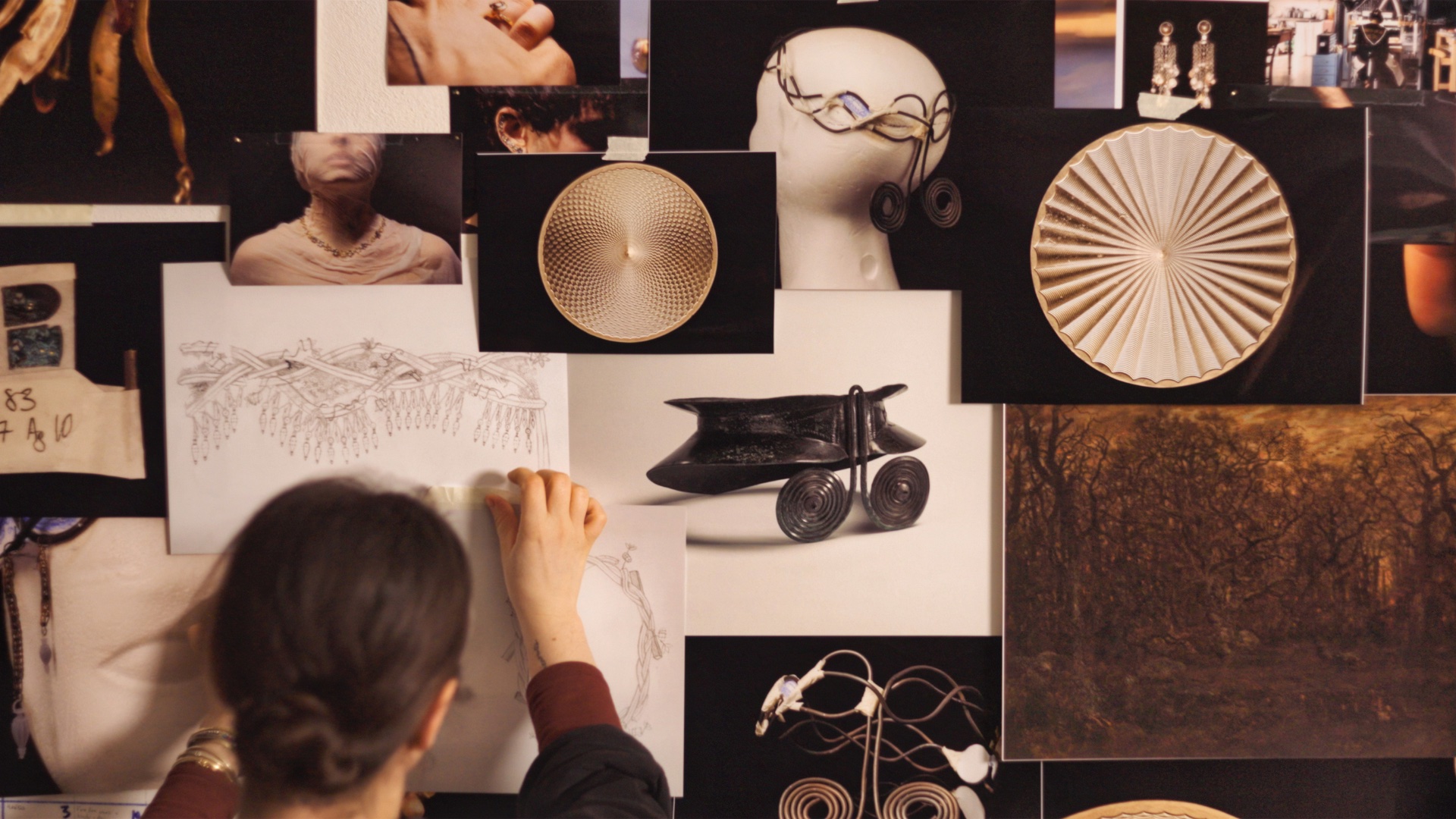
Ryan Tan is a collector of unconventional items. The walls of Huntilanak’s home studio are lined with ceremonial masks from Southeast Asia and Asia. His shelves are decorated with talismans and trinkets acquired during his travels. There are piles of books stacked high on his coffee table, some strewn half-open alongside sketches and fabric samples. As the Malaysian fashion designer shows us around the space, he shares, “I have been collecting the masks since I was a child but I kept them out of sight at my mother’s request. Now that I have my own place, I can hang them up.”
Tan has long been fascinated by mythical figures and creatures in folklore. His final graduate collection at ESMOD Kuala Lumpur was inspired by yūrei or ghosts depicted in Japanese legends. Later, he would partly name his label, Huntilanak, after the kuntilanak or pontianak, a vampiric creature known in Malaysia and Indonesia to be wearing a white dress with pale skin, bare feet, sharp nails, and long, black hair covering her face. The idea of these eery, unnerving beings never fazed Tan. “I always thought they looked cool,” he says with a shrug.
In this exclusive interview, BAZAAR hears more about Huntilanak’s fearsome designs from its fearless designer.
Tan was told recently by a BaZi (a Chinese metaphysical birth chart) reader that the supernatural tend to take a liking to him, following him around since childhood. The revelation would be frightening to most, but not Tan. Perhaps that is the explanation behind his affinity for otherworldly creatures, he jokes.
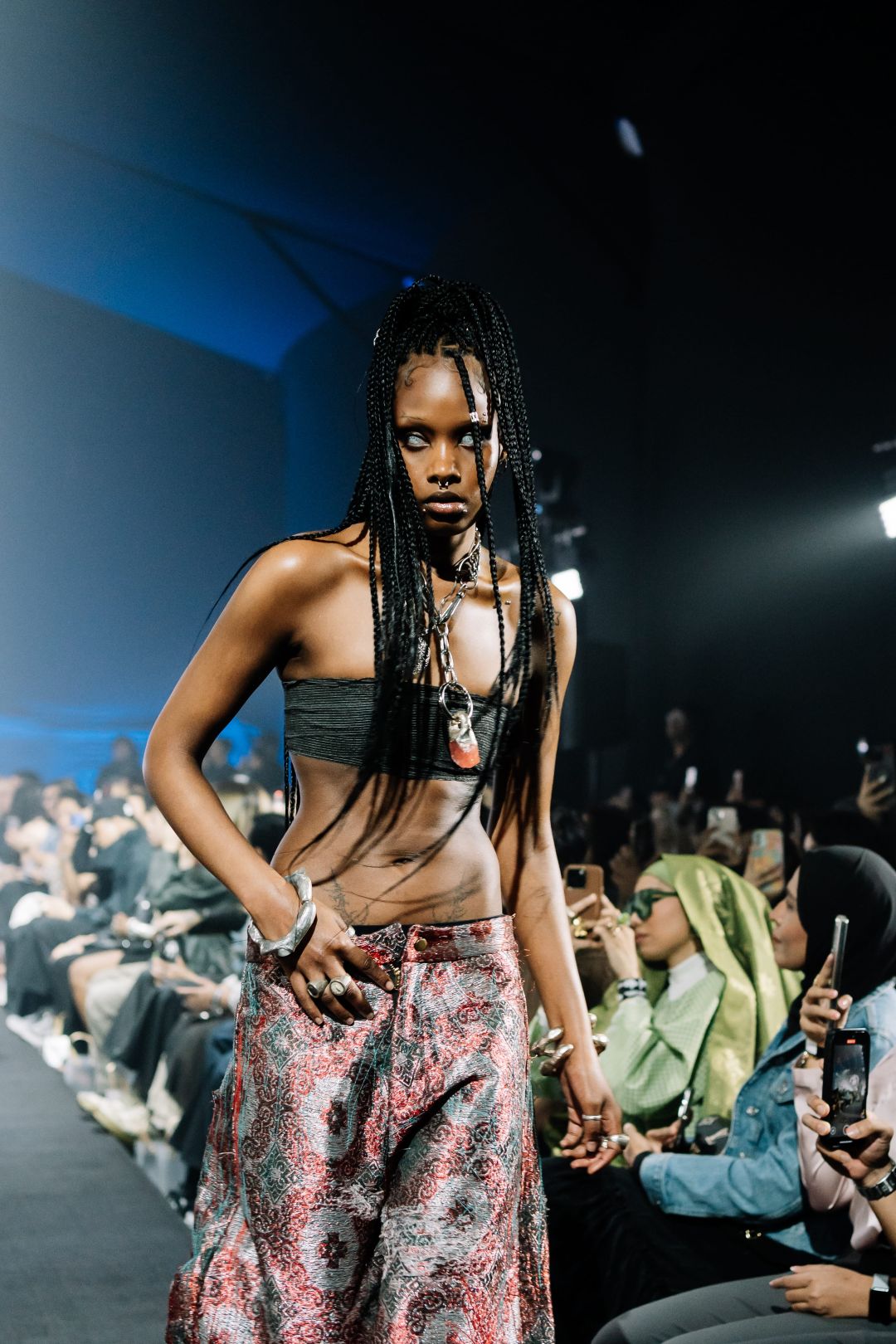
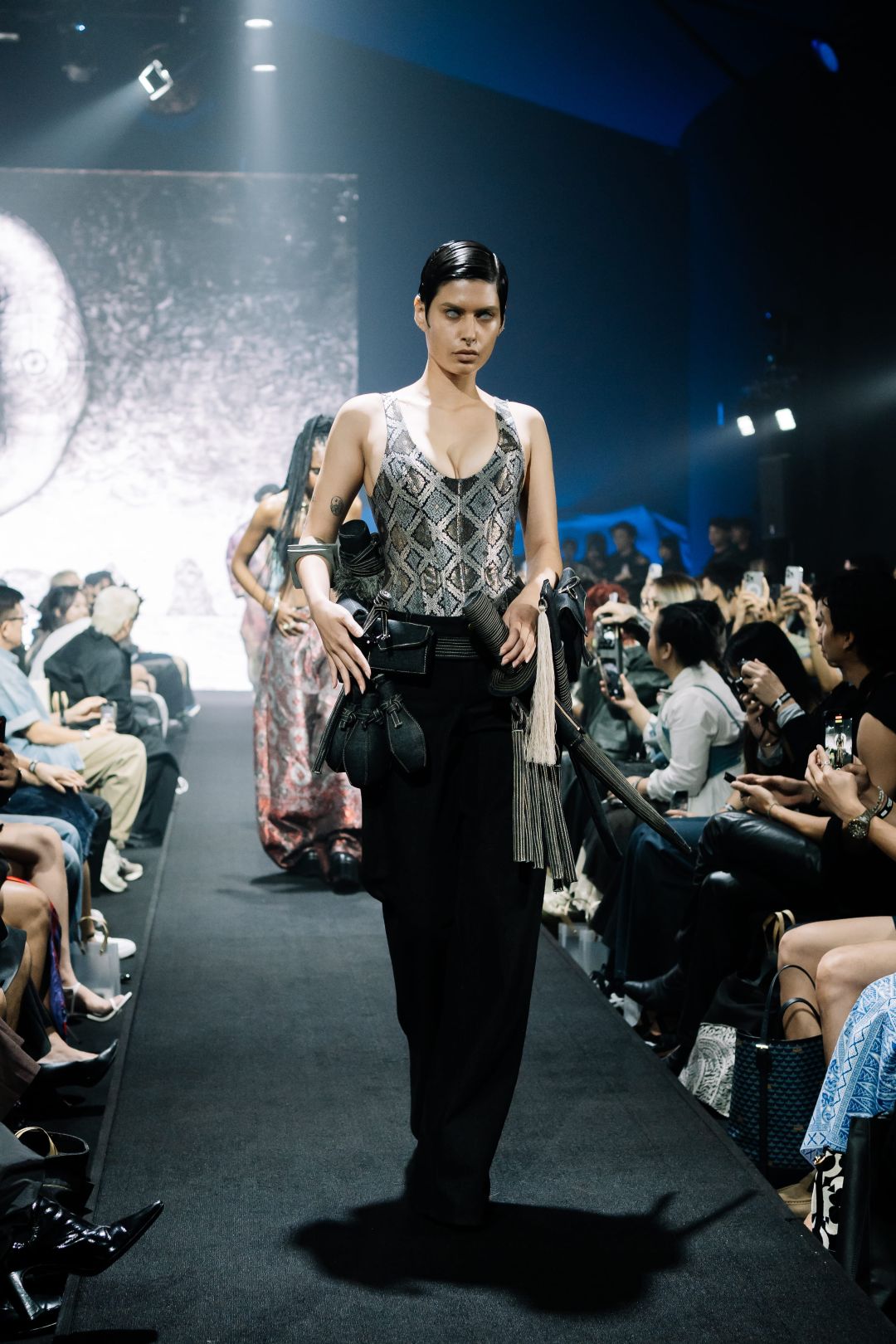
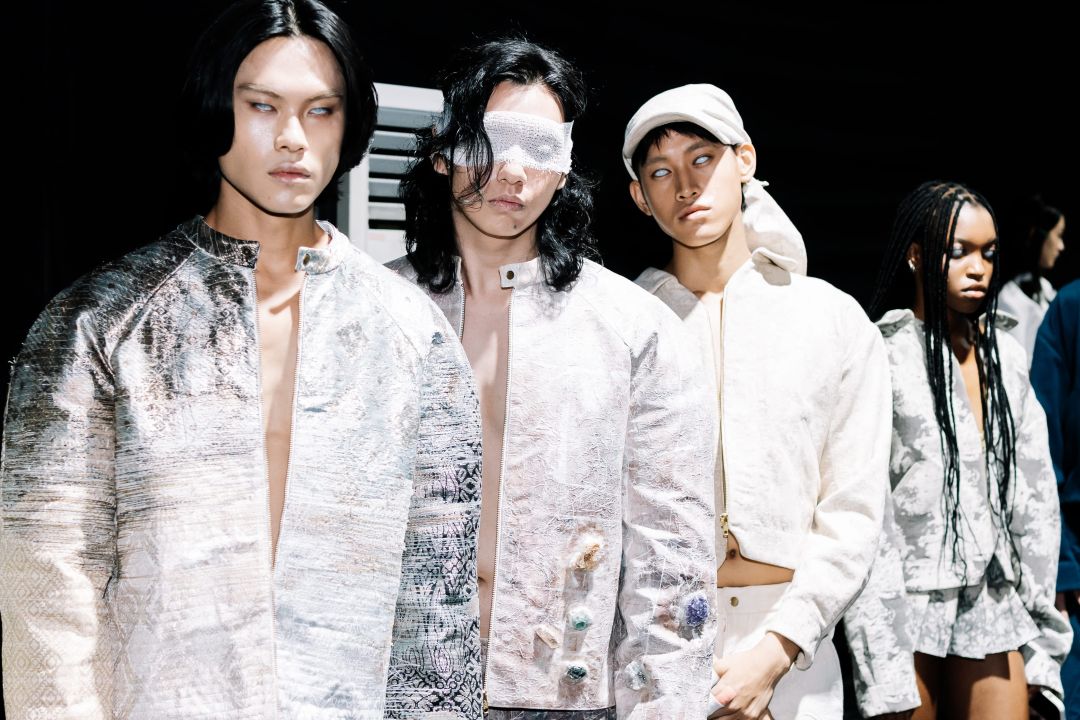
Huntilanak found early success in its monster jackets. The creative starting point was his vast collection of wooden antique masks portraying monsters, deities, and spirits. These jackets, meticulously crafted from upcycled denim and traditional textiles, featured horned and fanged heads emerging from the back. It was the beginning of Tan’s journey of refining this unique design aesthetic, defined by theatrics and storytelling, as much as heritage and tradition.
There was backlash when he first launched the monster jackets; some did not understand his designs, labelling his work as “demonic”, while others brought up the question of ownership and cultural appropriation. “I know that my intentions are good. For every piece, I am learning about the history of different cultural elements, doing a deep dive into their significance and symbolism,” he says resolutely.
But I am an artist at heart.
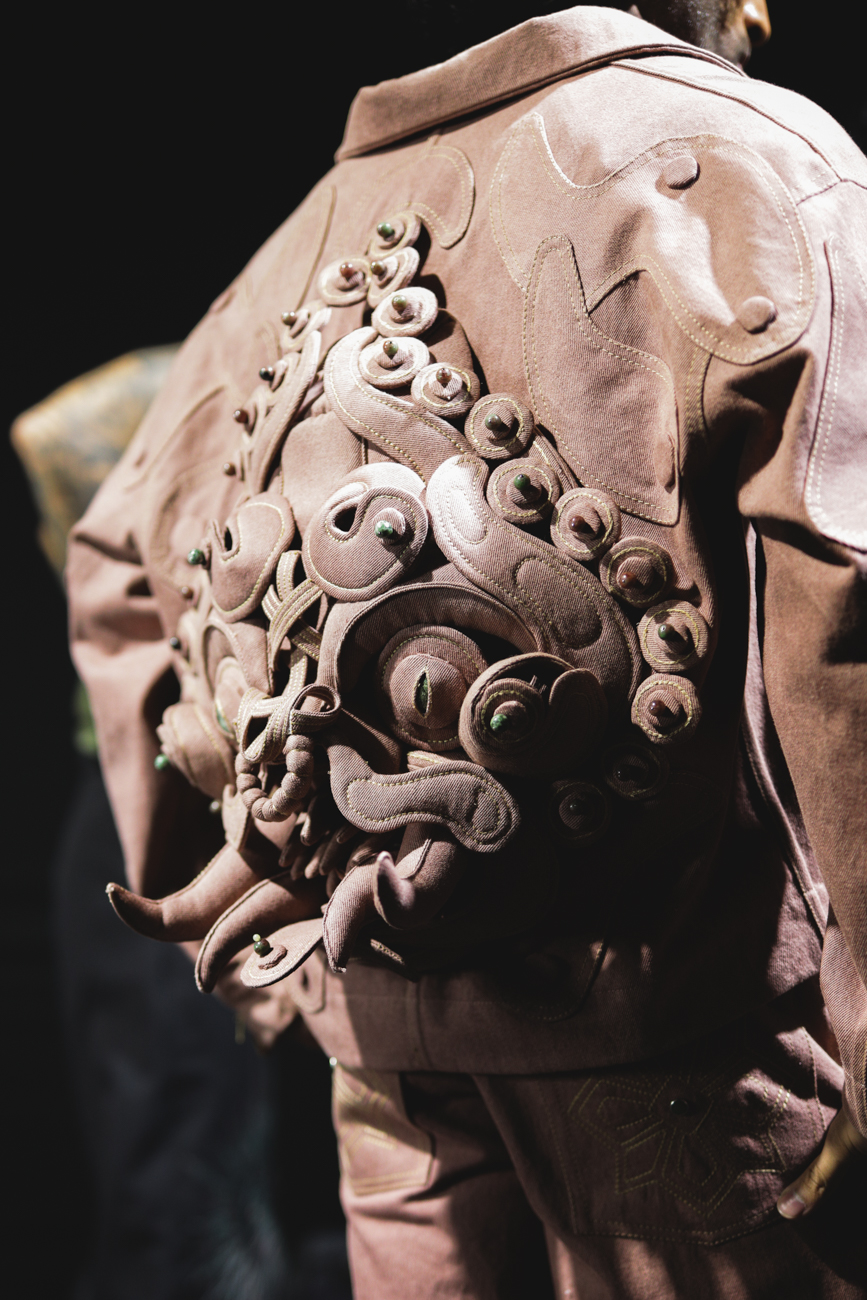
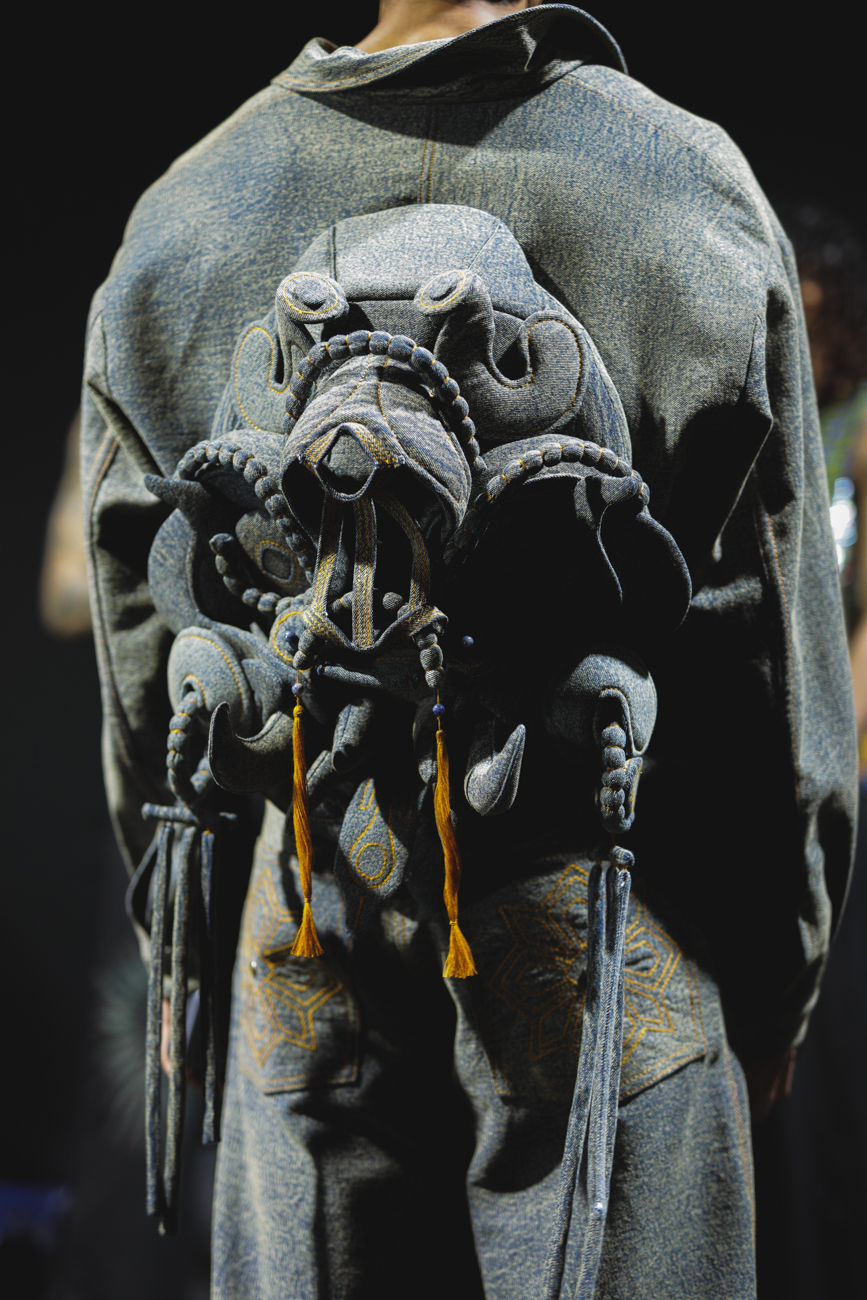
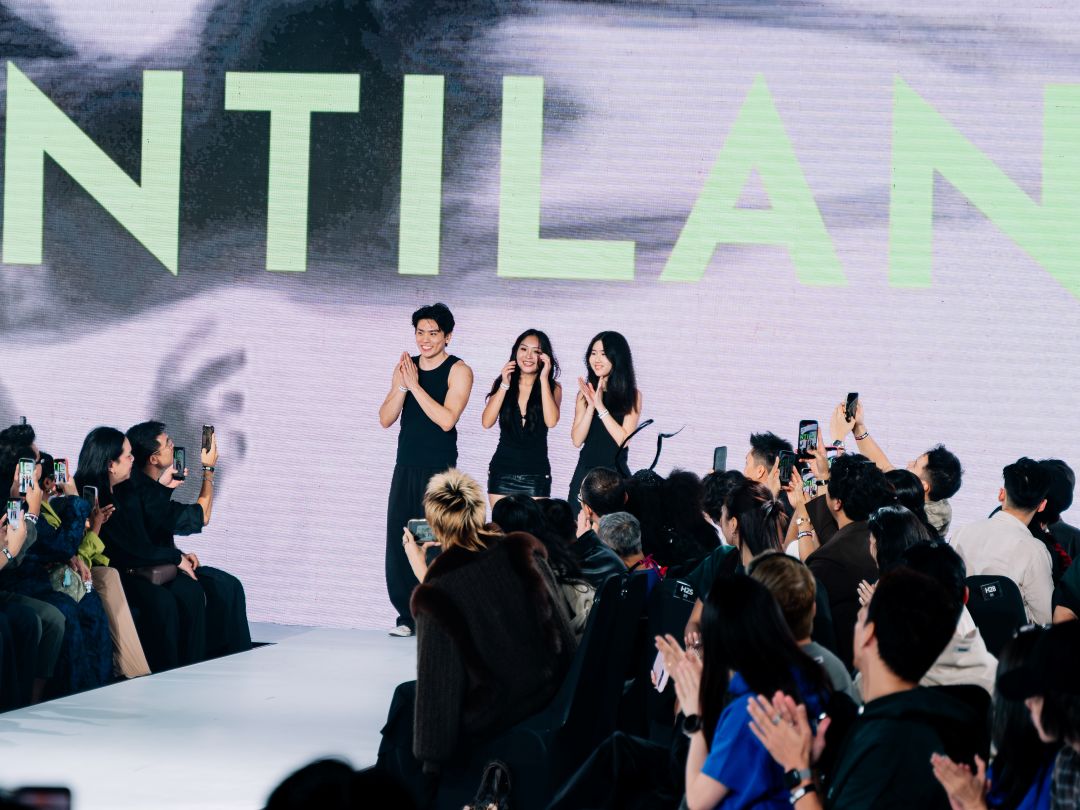
Tan remains steadfast and fearless in his experimentation. Building on the momentum of his monster jackets, he presented his debut runway show at Kuala Lumpur Fashion Week (KLFW) 2025. A resounding success, Tan’s first Huntilanak collection showcased his potential beyond the then-imposed label of ‘streetwear’. “I understand why people saw Huntilanak as a streetwear brand but I was trying to separate myself from it,” he says, determined to portray his vision for the brand more accurately.
Tan released new interpretations of the monster jacket, modelled on Borobudur architecture, but he also introduced contemporary, corseted silhouettes and fabric innovations, splicing together traditional textiles to create a combined material, and partnering with local artist, Silas to transpose abstract artwork onto the garments.
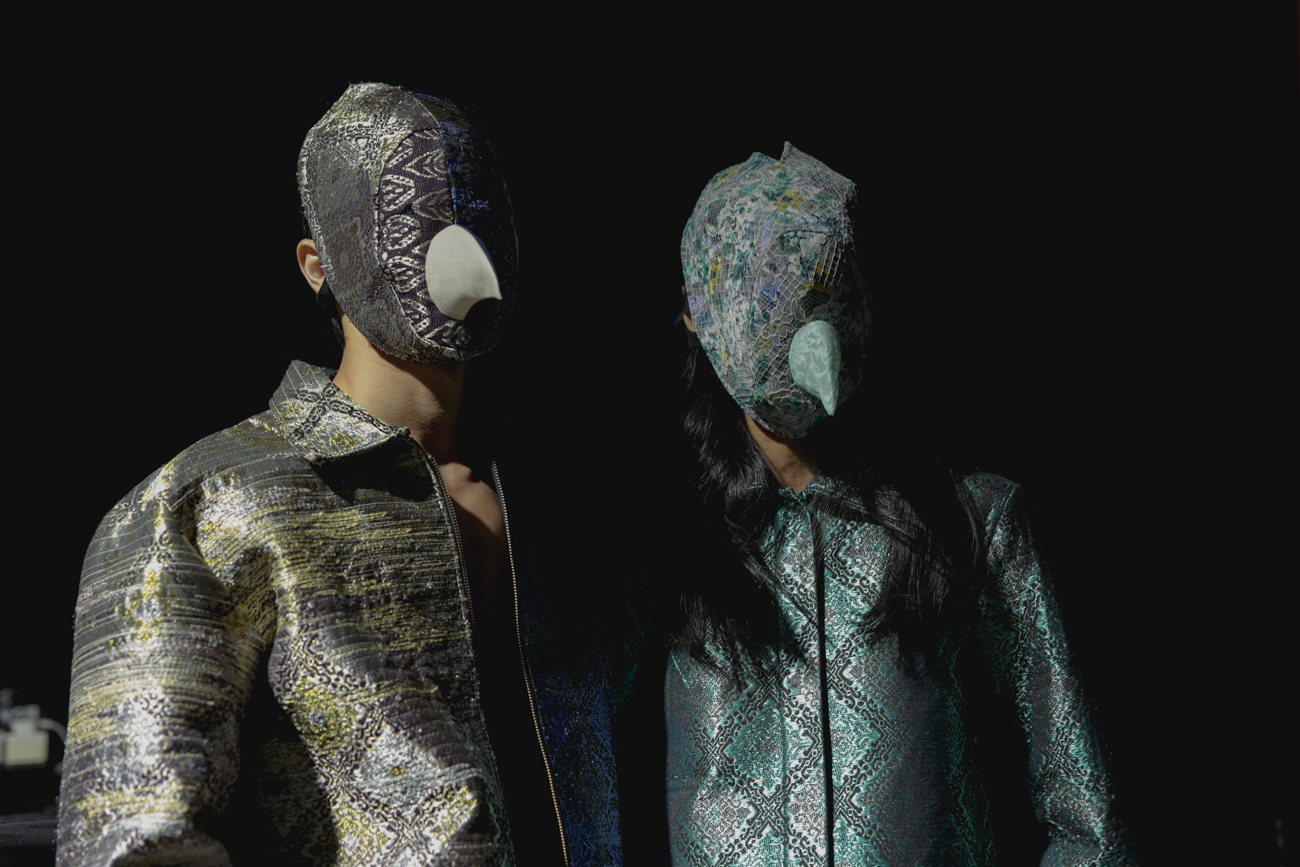
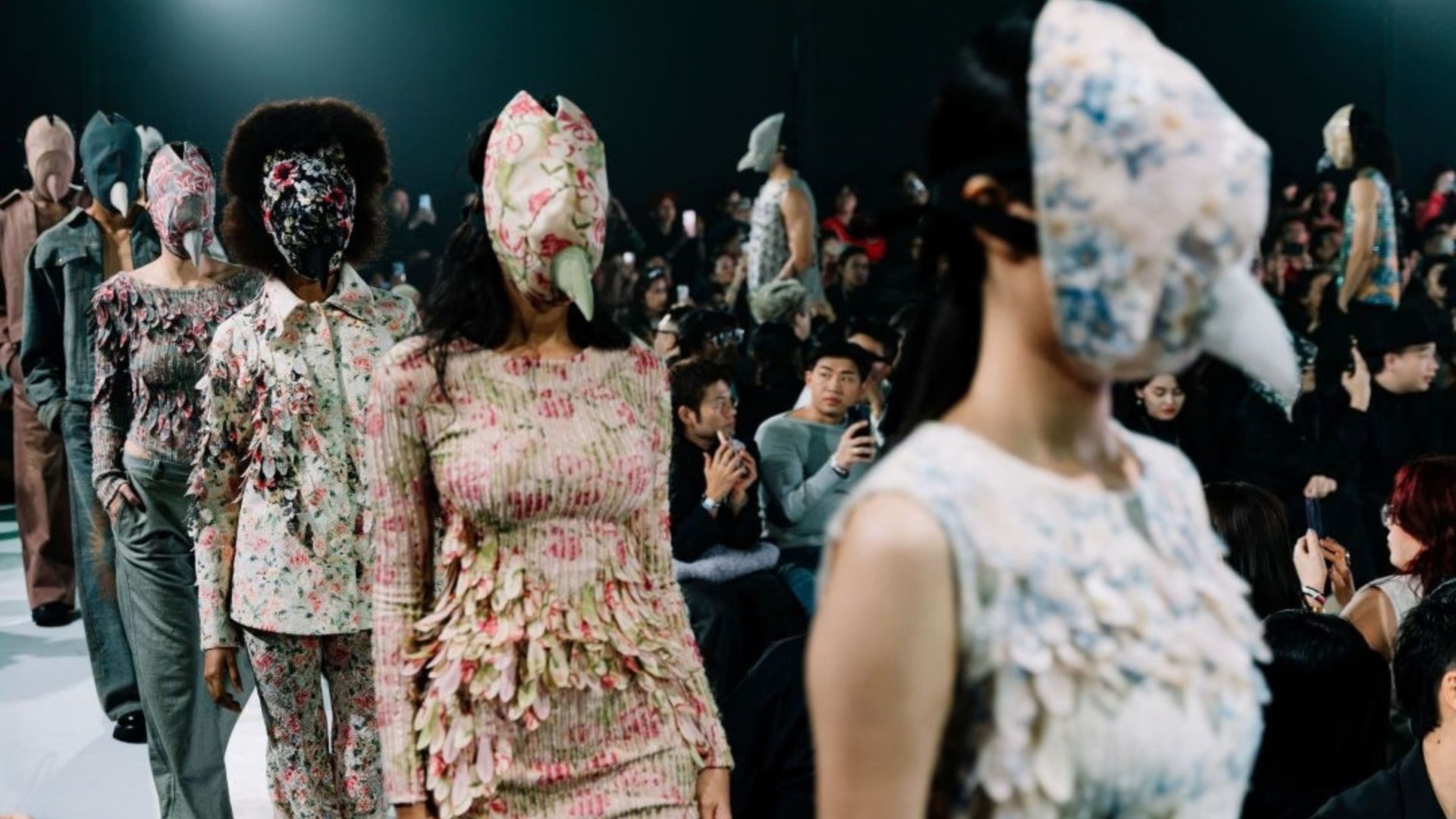
His sophomore collection at KLFW 2026, ‘Alpine and Alchemy’ garnered even more recognition as Tan hit his stride. His concept, based on his visit to the Chin Swee Caves Temple in Genting Highlands, was airtight, effortlessly persevering Huntilanak’s visual identity while pushing its agenda.
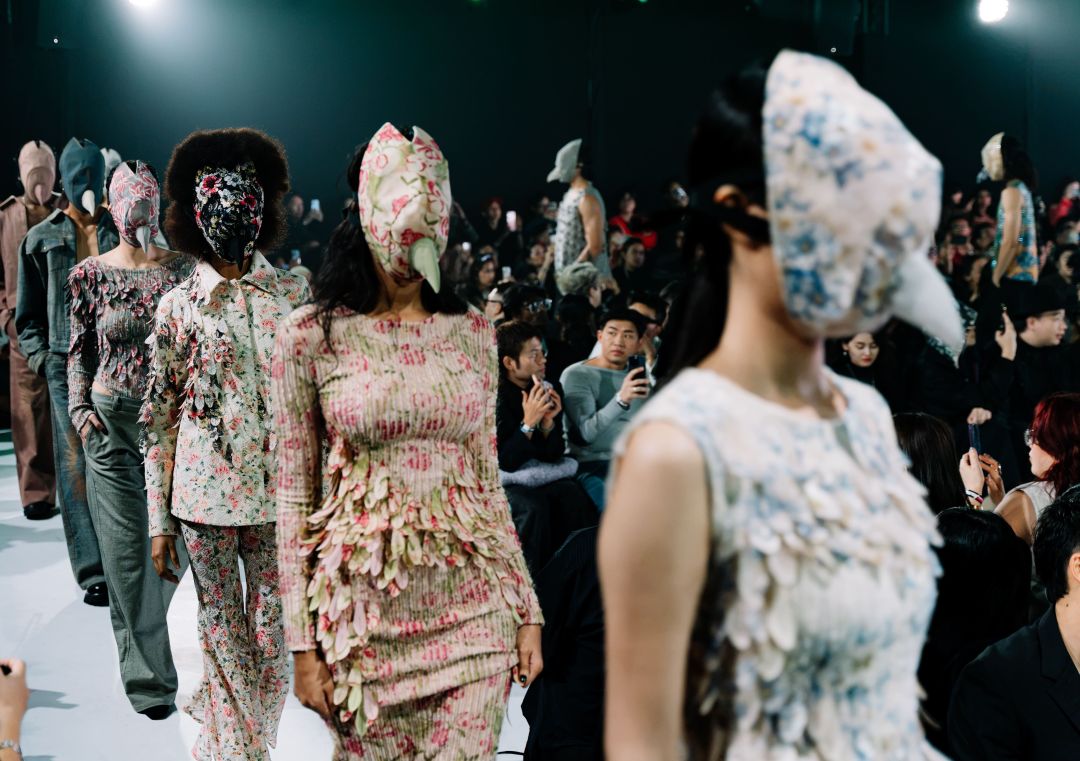
And it was executed with precision. A demonstration of his technical skill, Tan’s creations were painstakingly put together, from the laser-cut feathers hand-sewn onto garments to the new colours and textures of fabric made from blending traditional songket. He enlisted the help of three local artisans to assist on his exploration of new techniques: Shane Yap created a hand-crocheted corset; Zei produced a “shamanistic” chainmail top accented with stone talismans; and Venice reconstituted a colourful songket shirt with more than 150,000 beads.
Unsurprisingly, Huntilanak’s show was one of the biggest highlights of KLFW 2026.
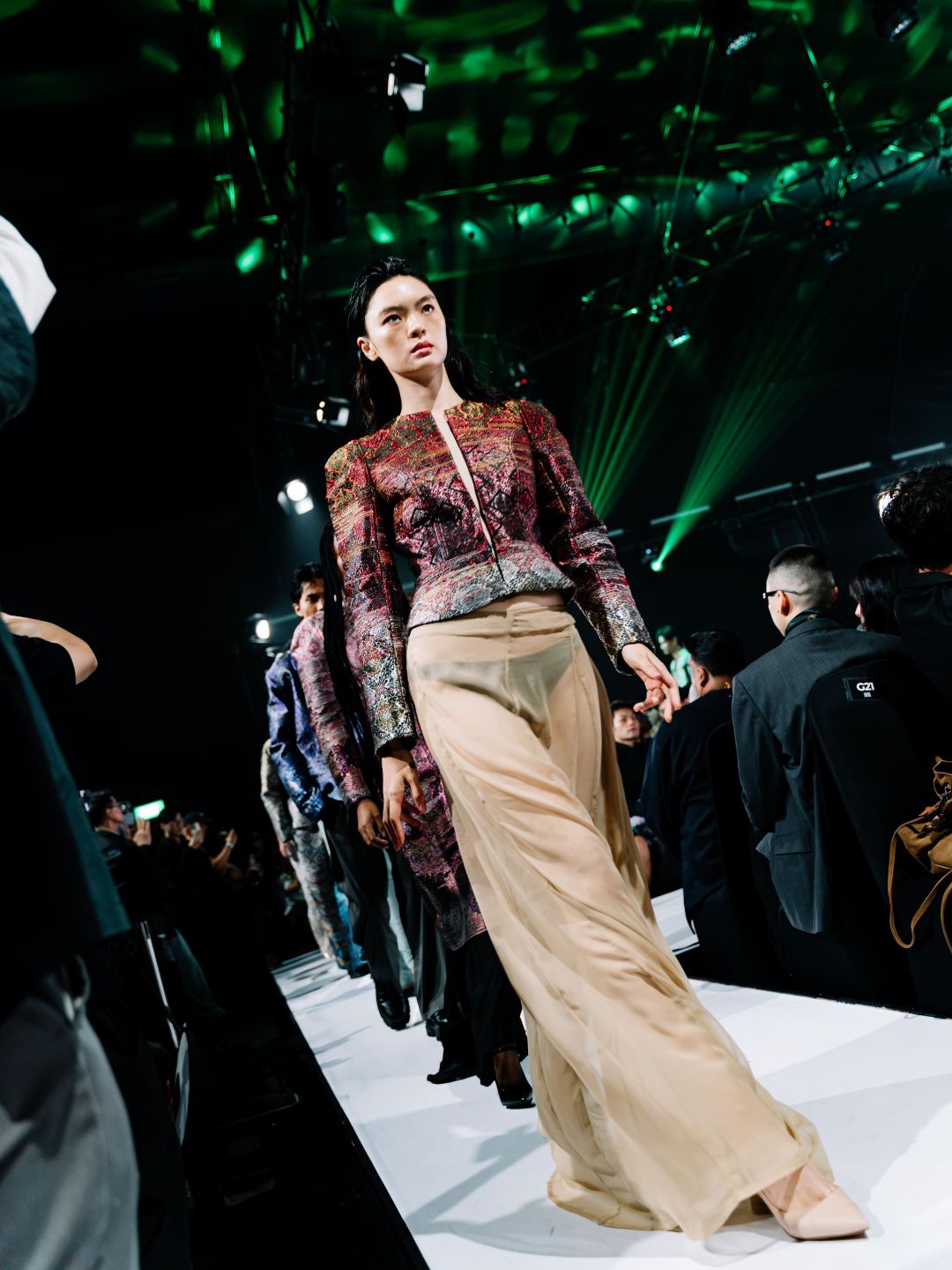
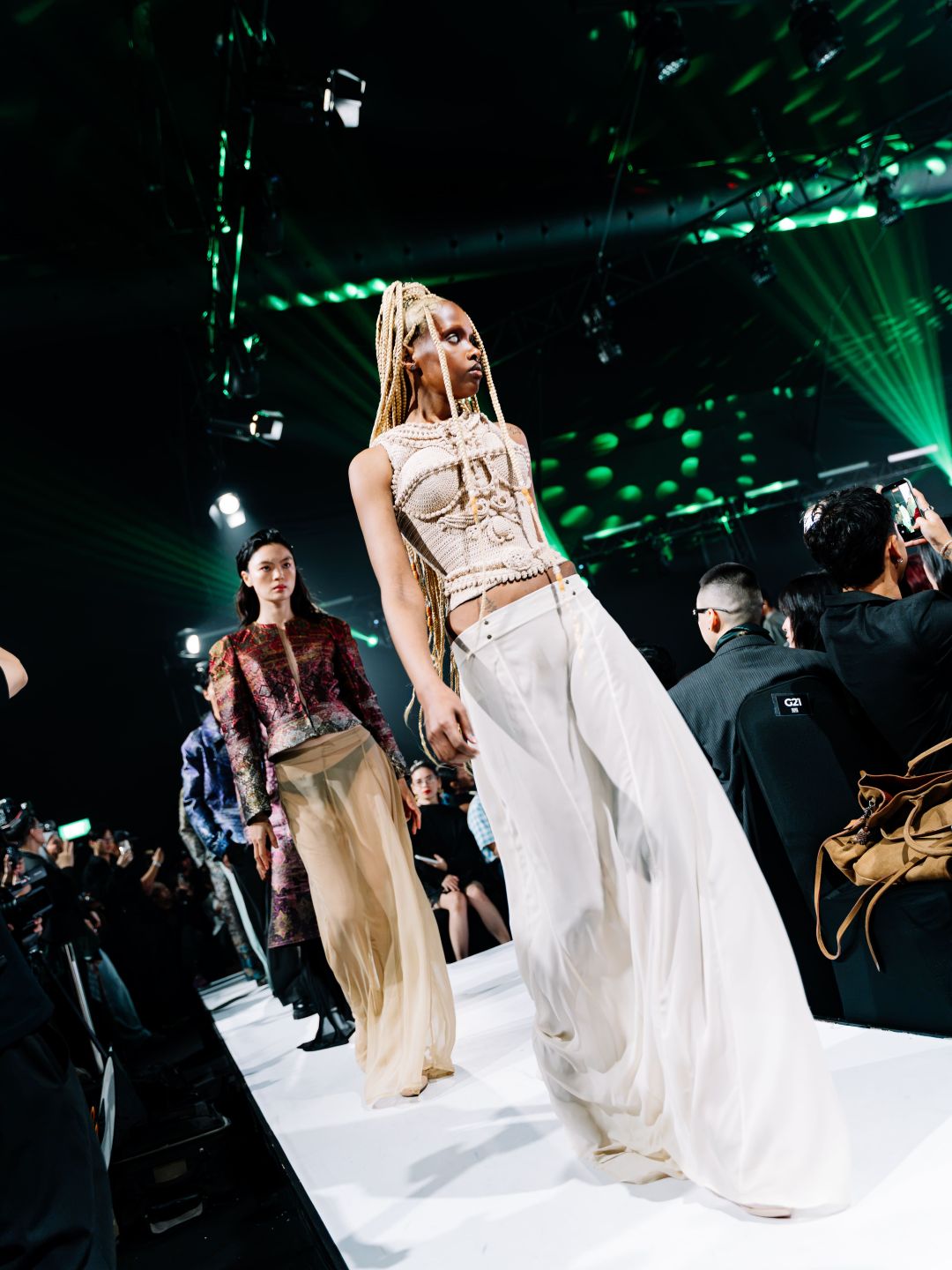
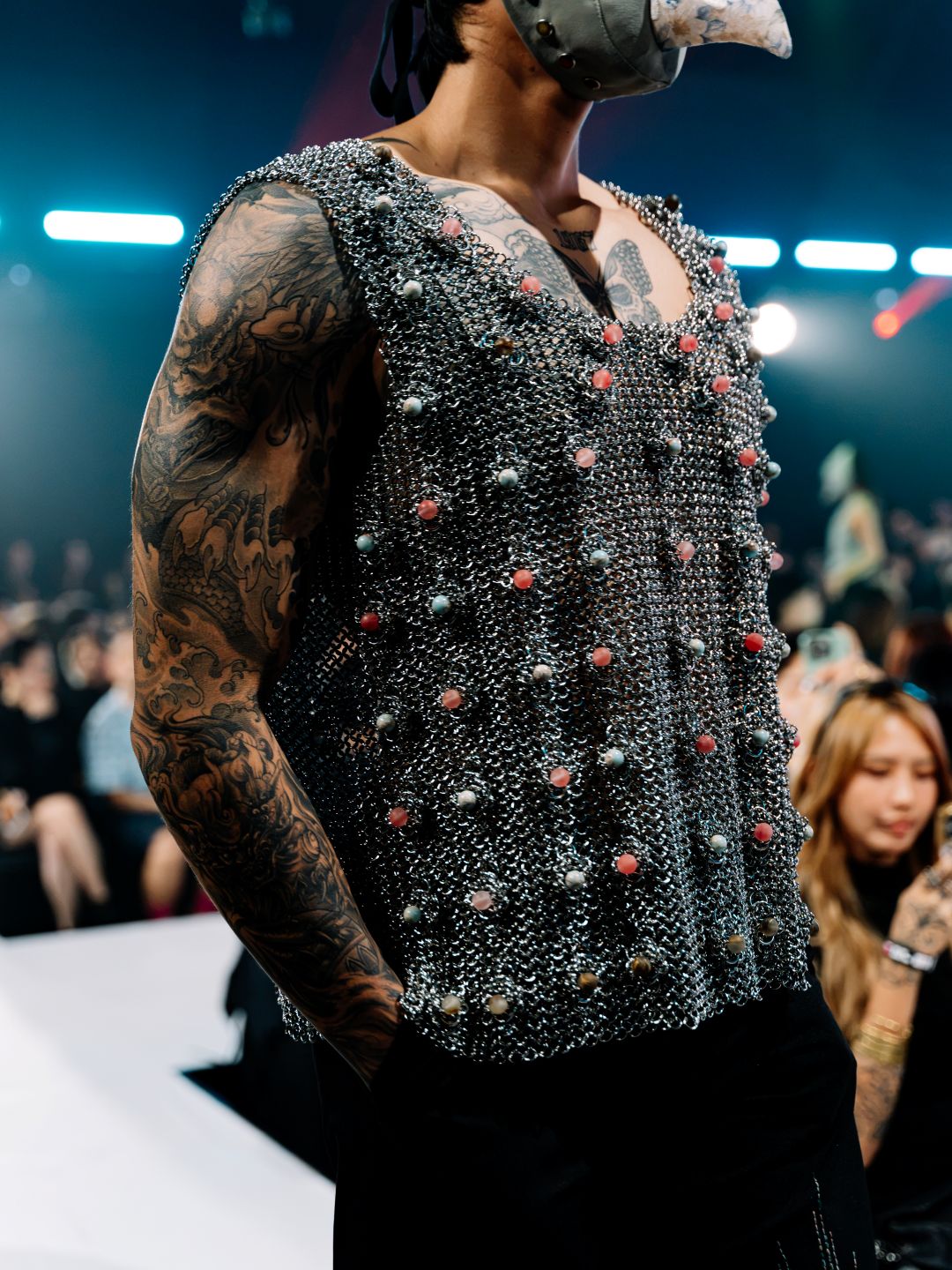
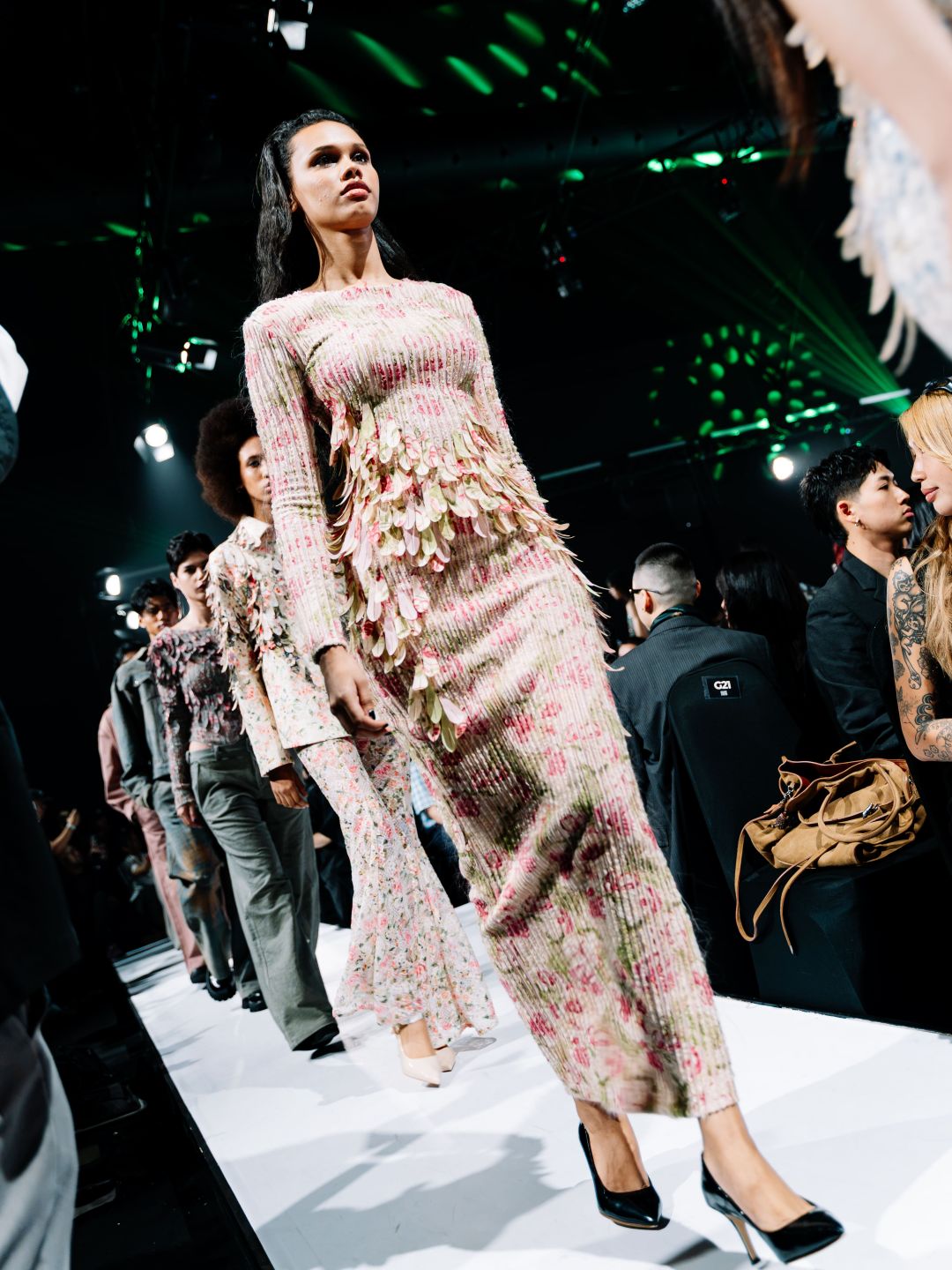
The positive response has given Tan the confidence to consider expansion. “I would like to have a few capsule collections to accompany Huntilanak’s artisanal creations for KLFW,” he says. “To me, fit is very important. I was taught to create clothes according to specific measurements, and that can be a big challenge to get right when designing a ready-to-wear collection.”
However, there is no doubt that Ryan Tan will figure it out and fulfil Huntilanak’s potential. “It’s the way I was raised. I always want to be the best,” he admits.
This story was featured in Harper’s BAZAAR Malaysia October ’26 print issue–now available online and at all major bookstands.