





Vacheron Constantin Collaborates With The MET to Craft Reverant Silhouettes
Vacheron Constantin reinforces the idea that art remains a vital language of self-expression.
Jewellery & Watches28 October 2026 Words Syameen Salehaldin
Art, in all its forms, has a way of moving people, moulding perspectives and unlocking an emotion. Sometimes we see a work and feel, almost without warning, and it takes our breath away. Vacheron Constantin understands that notion completely. The Maison’s love affair with the arts and culture goes back decades, and for good reason. From its founding, the Maison has held a distinct place in the artistic and cultural world—helping nurture new forms of expression and the next generation of artisans. Since then, the relationship between the Maison and art is one of mutual respect, where inspiration flows freely rather than by directive.
Today, the Maison continues to support this form of expression through partnerships with leading arts institutions such as The Met and programmes including the Artisan Residency Programme—an initiative that preserves cultural craftsmanship and art—which challenges artisans to compose outside their usual conventions and create innovative works of art. The programme also offered a unique opportunity to discover artists from around the world and how they can shapeshift emotions with intimate and collective art.
Through the Artisan Residency programme, three artists received an 18-month residency in New York, Geneva, and the city where their studio is based to produce an original artwork that demonstrated innovation in a traditional craft technique. The first phase of the programme focused on research, where each artisan could visit the Met to draw inspiration from the Museum’s collections, archives, and exhibitions spanning 5,000 years of art history. At Vacheron Constantin, the artisans explored the Maison’s in-house craft practices, from watchmaking techniques to artistic crafts such as enamelling, guillochage, engraving, and gem-setting. The second phase of the programme focused on design and production, while the final phase brought those three artisans back to The Met for workshops, public programmes, and community events, where they shared their process with the public.
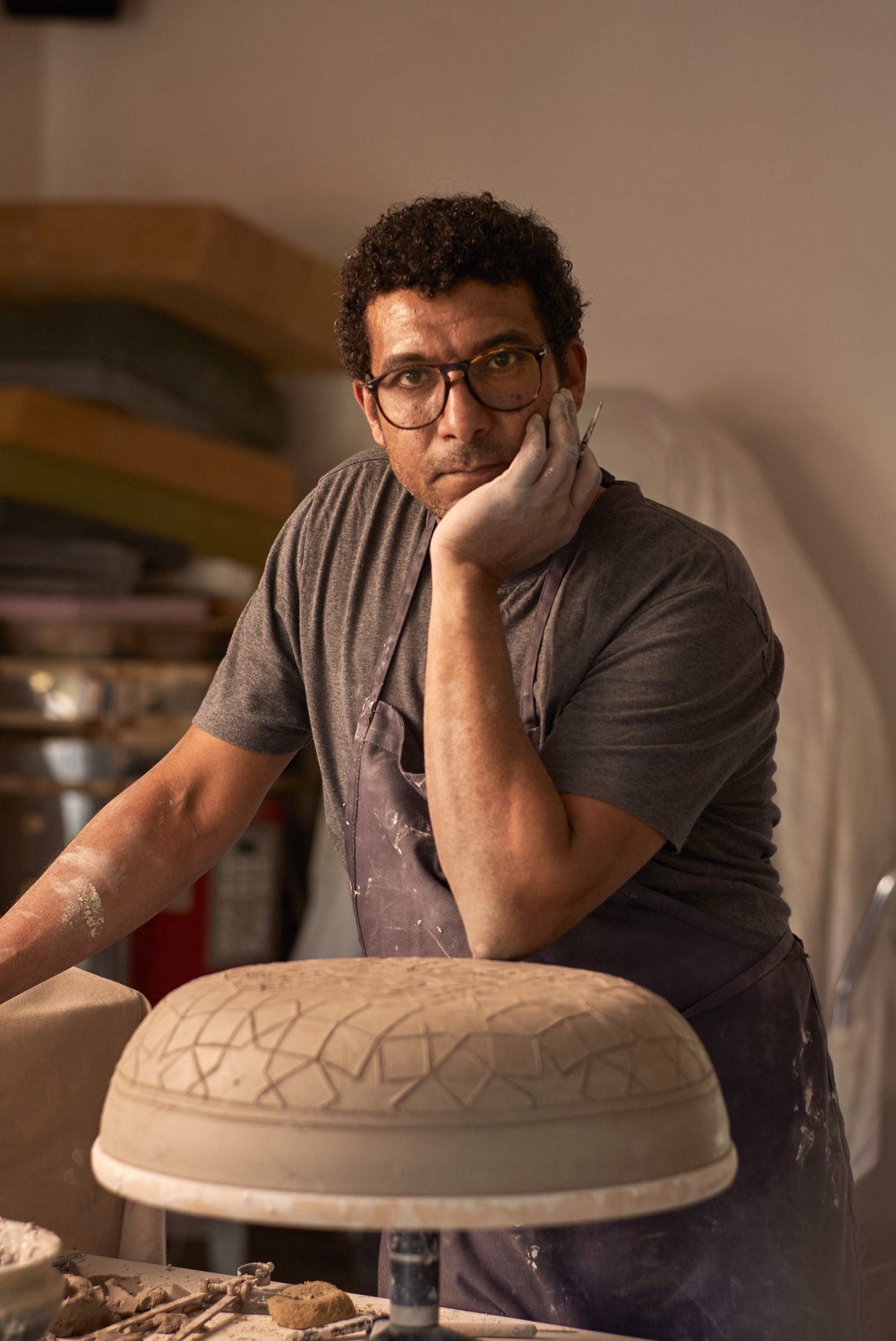
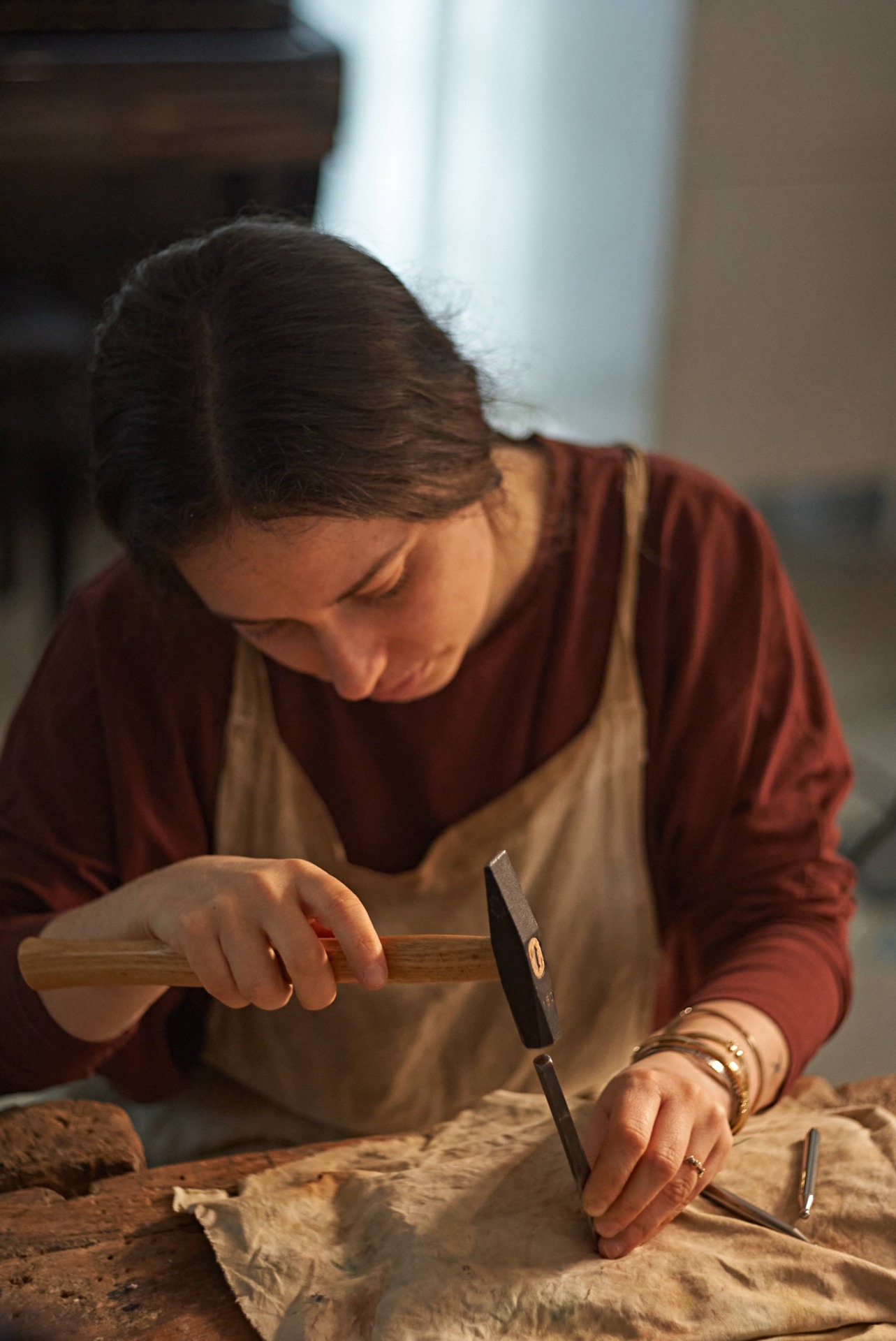
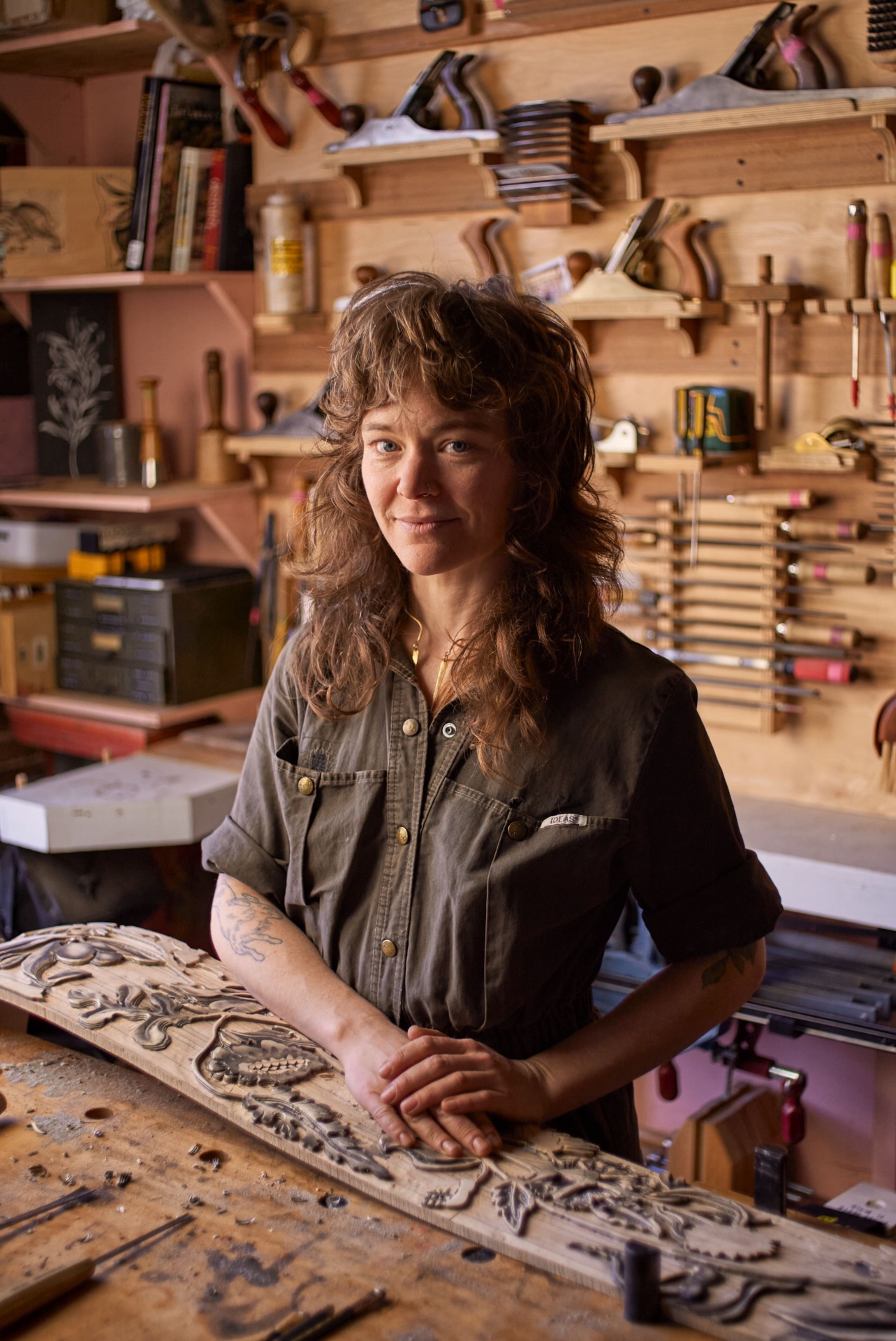
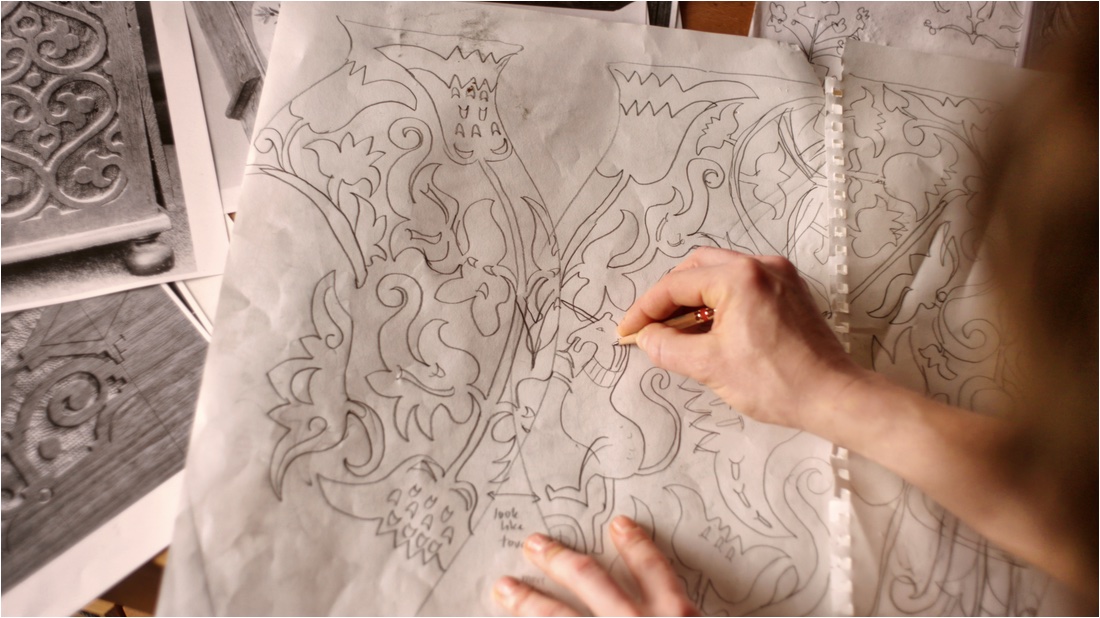
Offering a beacon in the gloom, American furniture maker and designer Aspen Golann, Egyptian-American ceramicist Ibrahim Said, and Anglo-Italian goldsmith and jeweller Joy Harvey curated spectacular works of art that illuminated a pinnacle of artistic perfection. “It was a unique opportunity to work with skilled craftspeople who fully understand what it means to be an artisan and what you need to grow your skills. Each one highlighted techniques and challenges necessary to bring to life the fruit of your vision and creative inspiration,” said Joy Harvey.
The collection began with Vessel, a monumental carved wooden vessel standing 5 feet tall—created by Aspen Golann—decorated with nature-inspired motifs such as foliage, fruit, and horses carved in bas-relief. Inspired by American wooden furniture from the 17th and 18th centuries in the museum, she created a decorative object that merged the traditional crafts of carpentry, sculpture, and cabinetmaking.
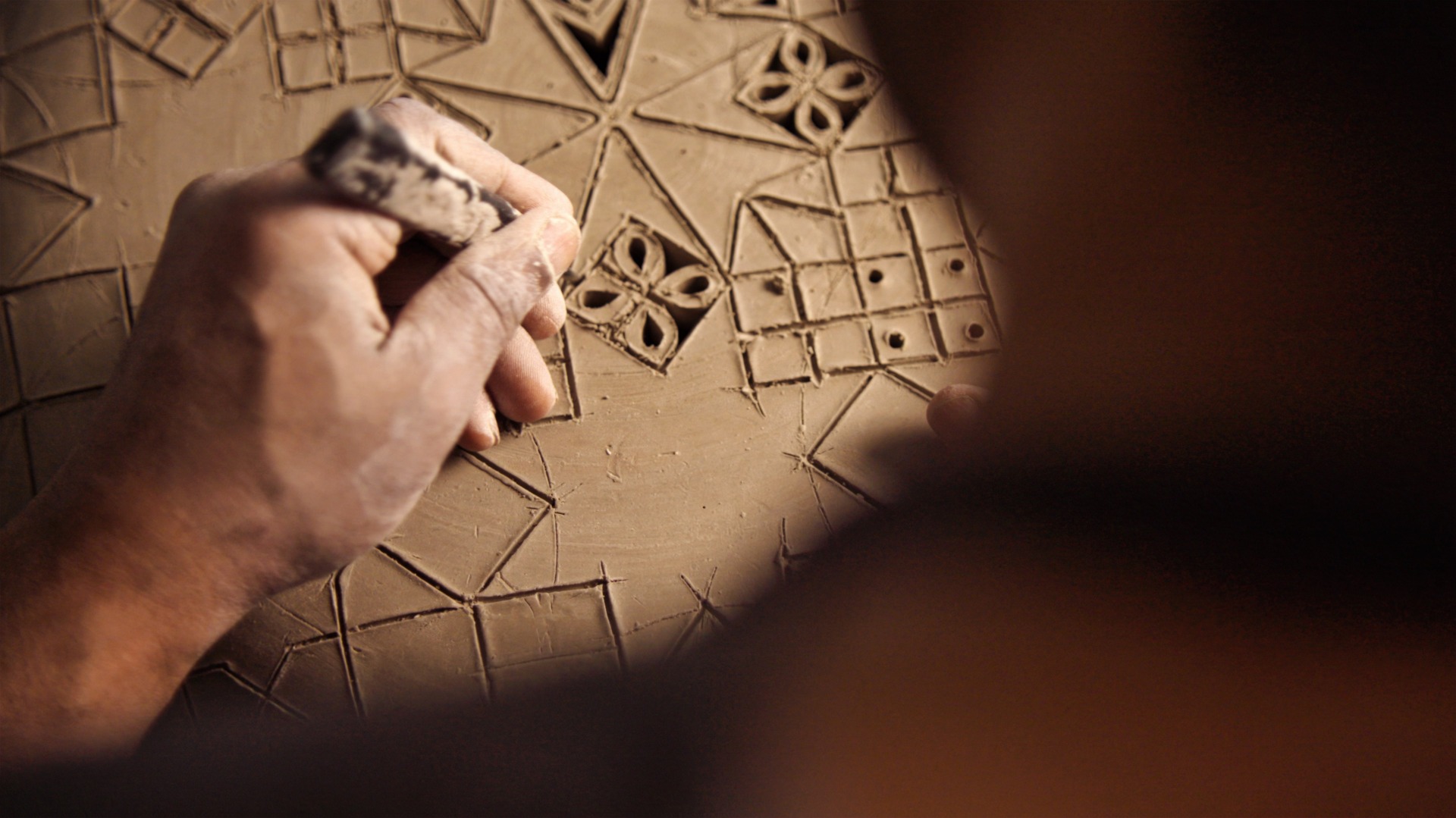
Using different corporeal languages, Ibrahim Said created Shaping Time, a three-tiered vertical ceramic sculpture inspired by an ancient Egyptian Lentoid bottle, the “New Year’s Flask,” an Islamic water filter made of faience from Fustat in Egypt, and other artful objects. The sculptural piece had carvings, piercings and multi-coloured glazed surfaces that reimagine motifs of ancient Egypt and Islamic culture, amid a scattering of eight-pointed stars. The piece also echoed Vacheron Constantin’s Maltese Cross emblem.
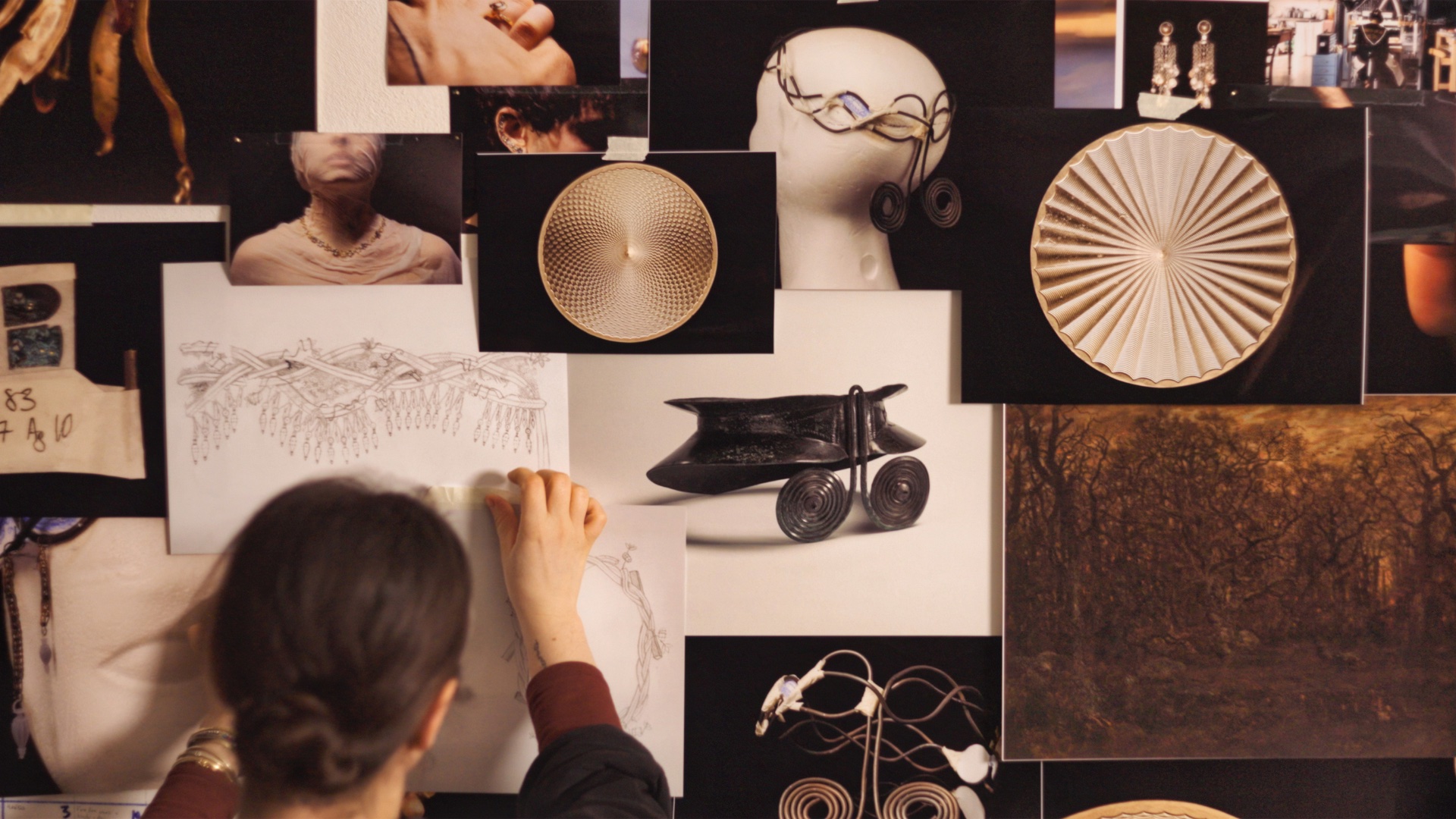
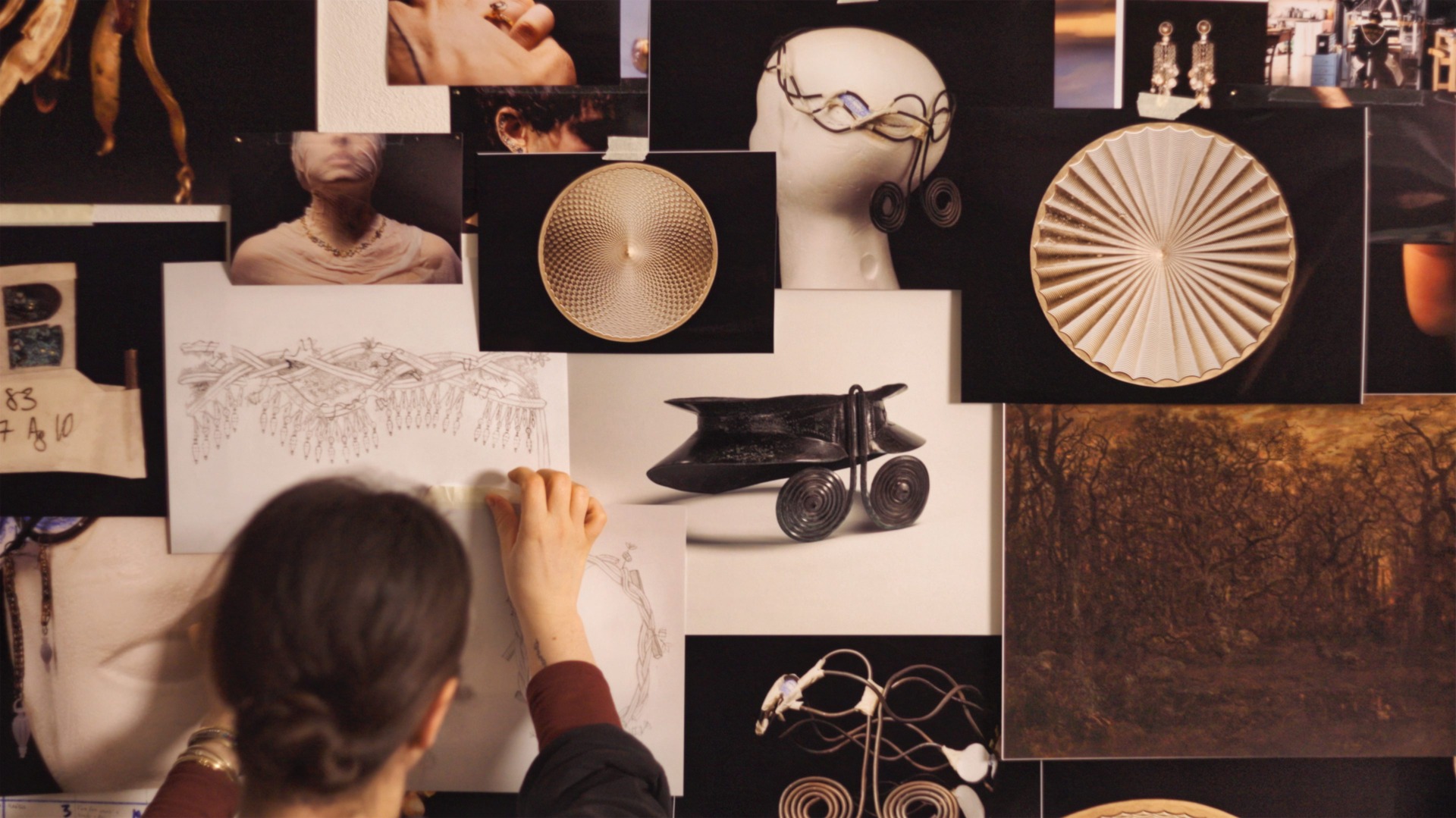
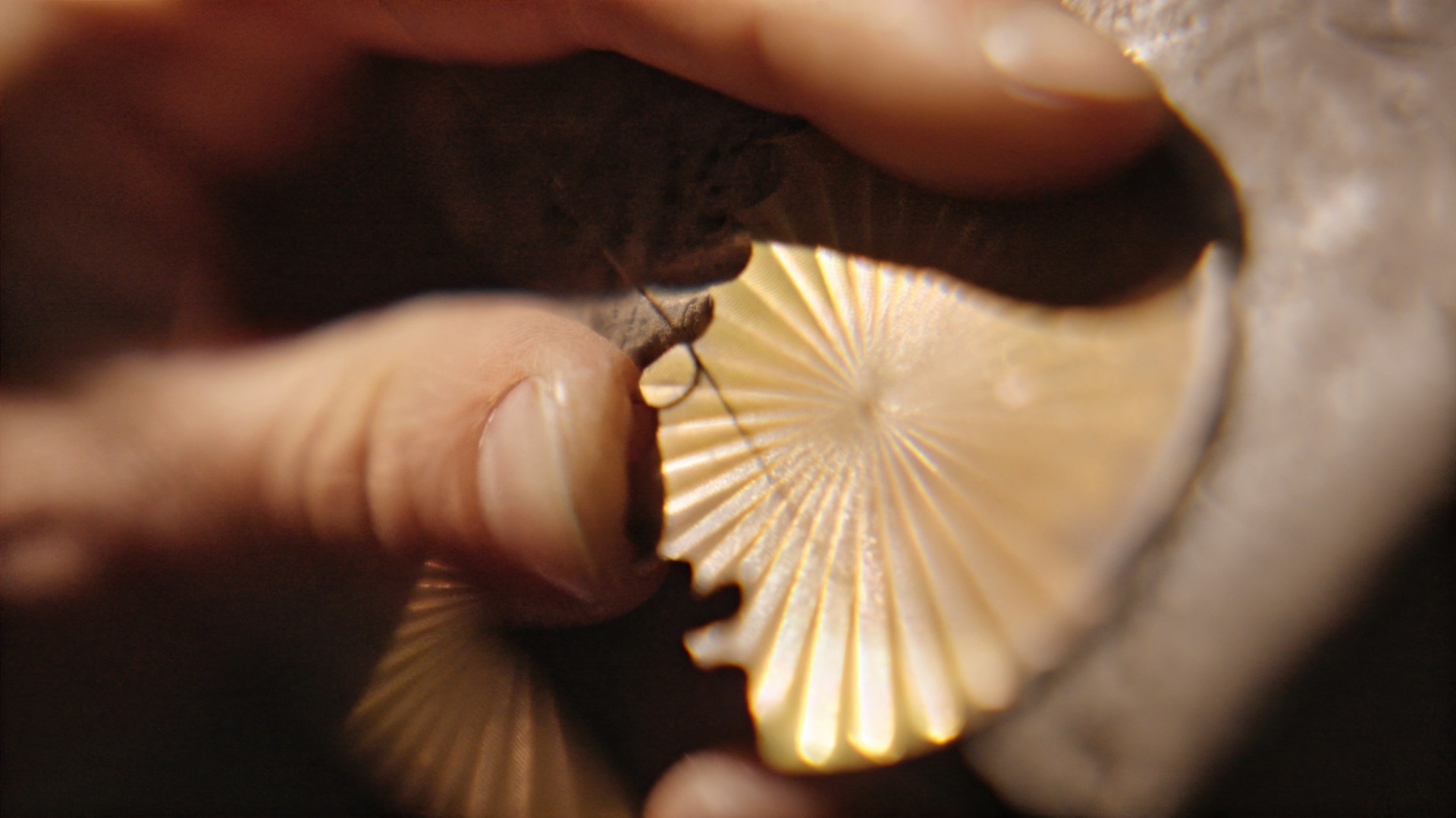
Lastly, we have the Ruined Splendour-Bronze Diadem, a bronze coronet crafted by Joy Harvey—hammered, chiselled and laminated—that combines traditional metalworking with modern technologies such as 3D scanning. The diadem features filigree of leaf veins, decorated with subtle granulation, delicate seed-shaped pendants seen on ancient Greek necklaces, and golden bramble flowers. Inspired by several pieces of ancient jewellery, including a copper tiara, a pair of gold earrings made for royalty from India, and a gold necklace with seed-shaped pendants from Greece, the piece showed artistic sensibility and an innovative approach to craft.
In the hands of Golann, Said, and Harvey, ancient forms were not simply referenced but reborn, carrying centuries of craft into a new artistic language. Their work echoed the idea that anything can be a canvas or a stepping stone to something beautiful—a philosophy at the heart of the Artisan Residency Programme and of Vacheron Constantin’s enduring devotion to the arts. As the Maison continues to open its doors to artisans from every discipline, it reaffirms a simple belief: that creativity knows no boundaries, and inspiration, once set free, can shape the future of craftsmanship for generations to come.