

Jewellery & Watches
Ariana Grande Brings A Theatrical Glamour To Swarovski’s Holiday 2026 Campaign
10 Nov
Delve into the dynamic world of creative territories happening around the world that are redefining our understanding of beauty, identity and creative expression.
From the opulent world of Marie Antoinette at London’s Victoria and Albert Museum to the radical visions of Vivienne Westwood and Rei Kawakubo at Melbourne’s National Gallery of Victoria, all of the fashion exhibitions in 2026 celebrate fashion’s power to provoke, transform and challenge conventions. Each exhibition reveals how clothing transcends mere adornment to become a profound expression of culture, identity and artistic vision.
It’s time to head into uncharted creative territories that redefine our understanding of beauty, identity, fashion and creative expression. Here are the best fashion exhibitions in the year ahead.
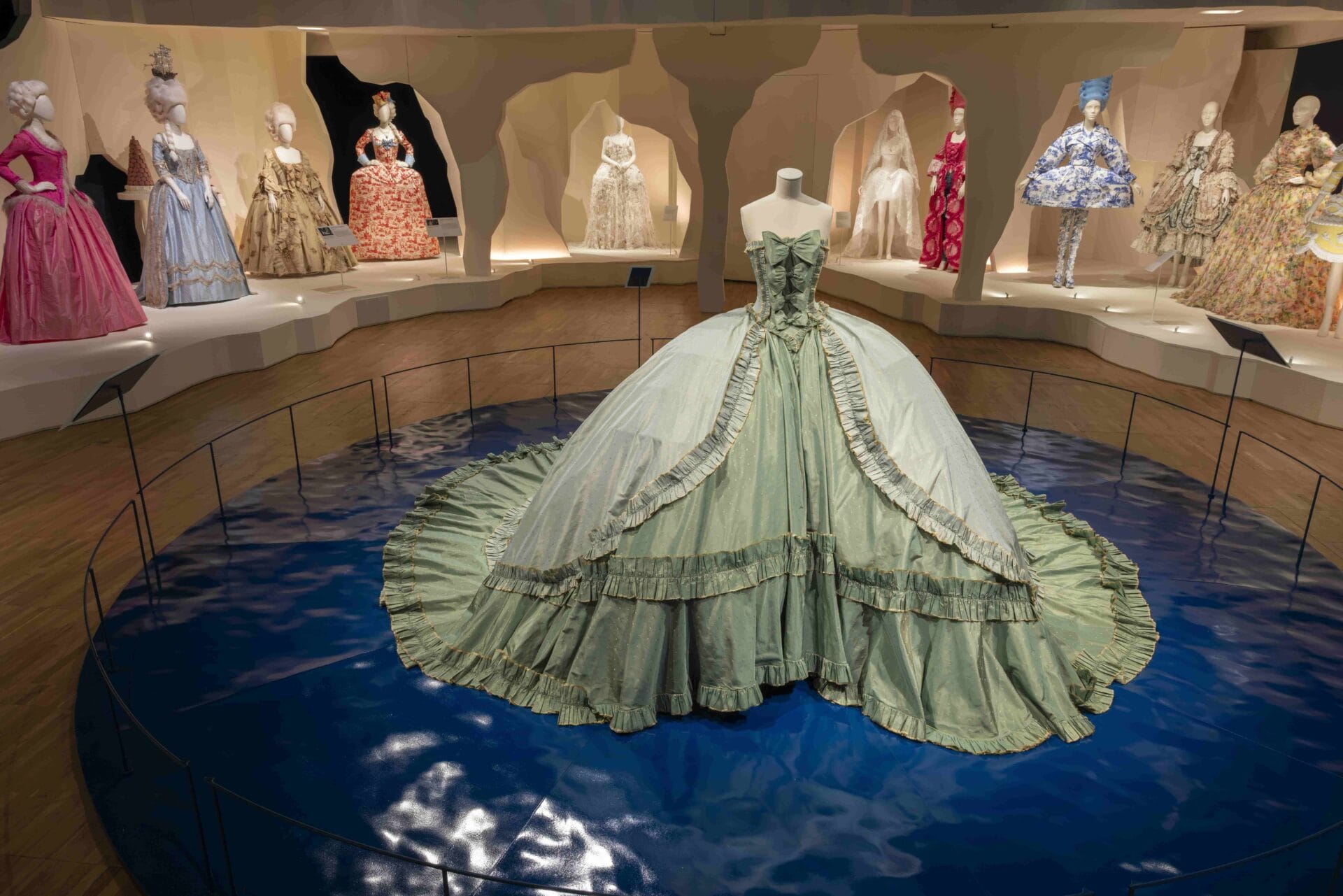
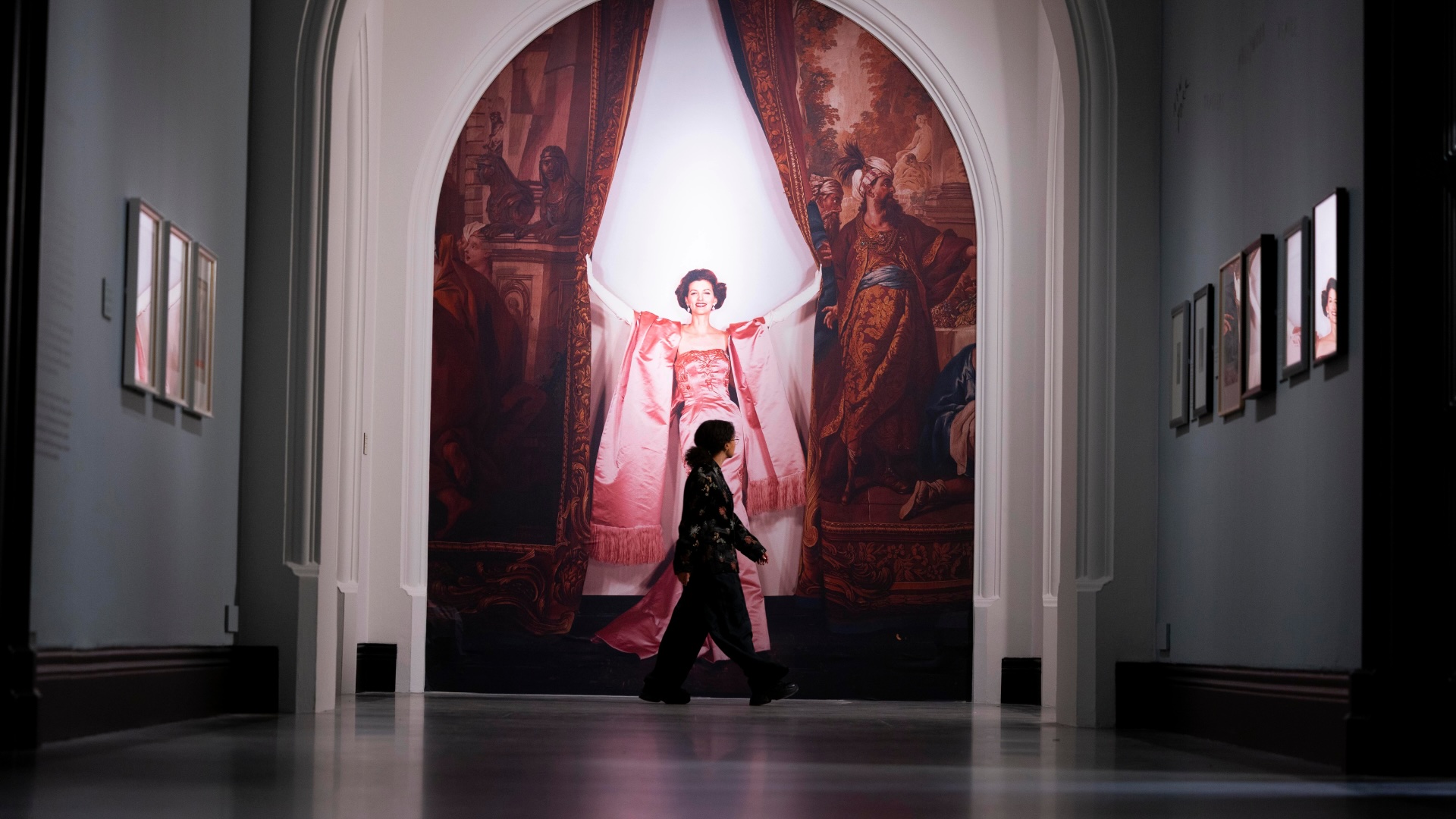
Beautifully presented across the high-ceilinged, spacious galleries of the Victoria and Albert Museum, the 18th-century French queen—a complex fashion icon—Marie Antoinette is having her moment. Known as the last queen of France before the French Revolution overthrew her husband, King Louis XVI, Marie Antoinette was unpopular among the French people back in the day. Today, she’s shifting perspective and stirring your emotions with a beautiful exhibition titled Marie Antoinette Style.
Sponsored by luxury footwear label, Manolo Blahnik, the exhibition tells the narrative of her style, youth and notoriety. With over 250 years of design, fashion, film and art, it has everything you would expect—shimmering jewels, beaded shoes, regal furnishings and beautiful 18th-century gowns.
From John Galliano’s Marie Antoinette-inspired Dior couture pieces to Maria Grazia Chiuri’s custom Dior couture for the BBC’s Marie Antoinette and beaded slippers belonging to Marie Antoinette, the exhibition is a glimpse at the legacy she left behind. We even get to be immersed in a room brimming with embroideries, ruffles, exaggerated skirts and florals. Keeping the magical feeling alive, there are also rooms packed with Marie’s personal jewellery. All of it being a pièce de résistance, the exhibition memorialises the queen’s legacy and history with thought, beauty and magic.
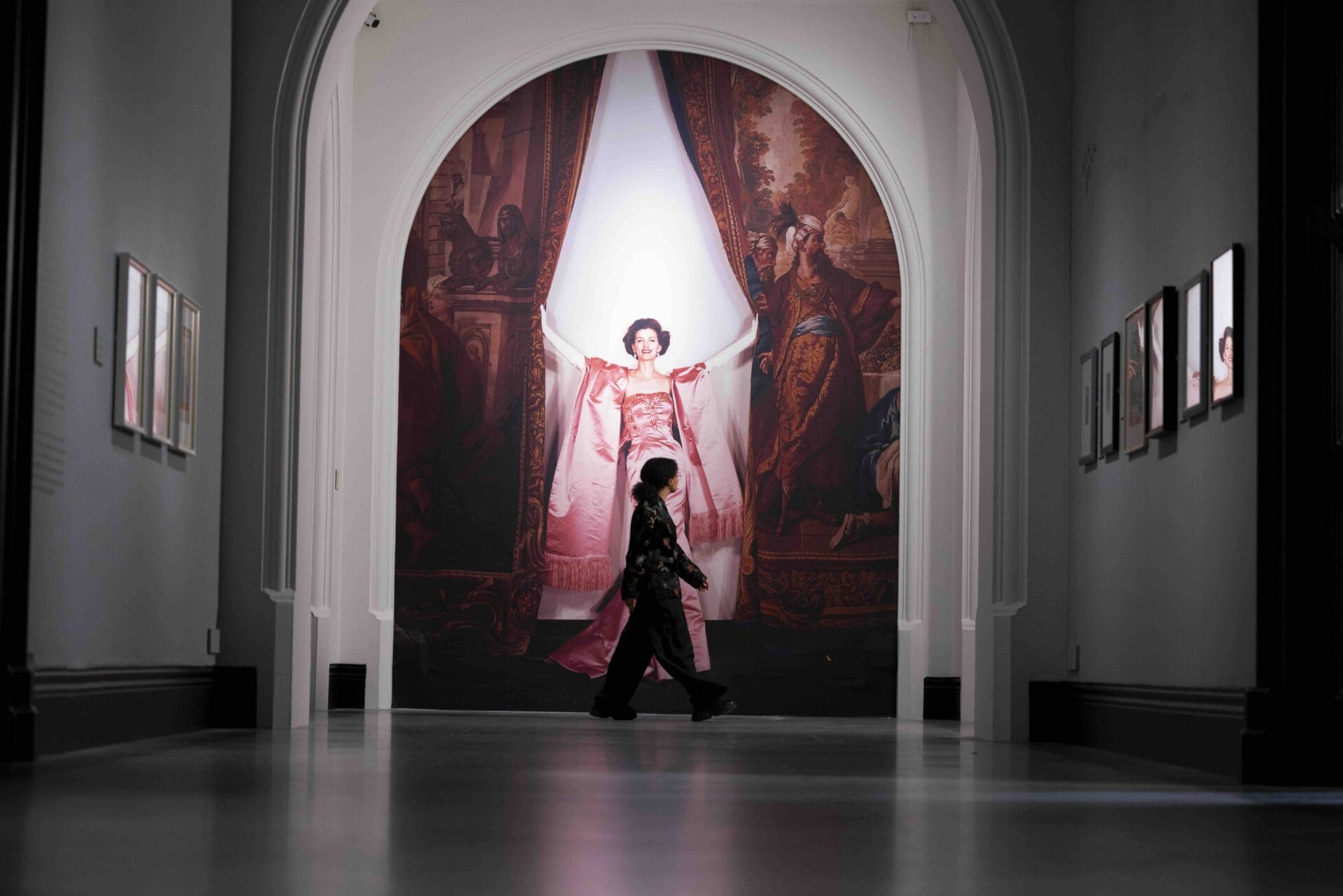
Reowned for his photographs that transformed the world of fashion, Cecil Beaton was an extraordinary force in the 20th-century British and American creative scenes. A true Renaissance man of his era, Beaton’s influence extended far beyond the camera lens—he was also an accomplished costume designer, diarist and set designer who won multiple Academy Awards for his work on films including Gigi and My Fair Lady. Today, you get to revisit his ground-breaking talent in an exhibition dedicated solely to his fashion and portrait photography.
From photographs, to letters, portraits sketches, fashion illustrations and costumes, the Cecil Beaton’s Fashionable World exhibition has over 200 items displayed at the National Portrait Gallery in London. Within the collection, you’ll even see iconic figures such as Marilyn Monroe, Audrey Hepburn, Elizabeth Taylor and Marlon Brando—each captured through Beaton’s discerning eye that could transform his subjects into timeless icons.
For this exhibition, you can trace his evolution as an artist, observing how he masterfully adapted to changing fashions and cultural shifts while maintaining his signature style.
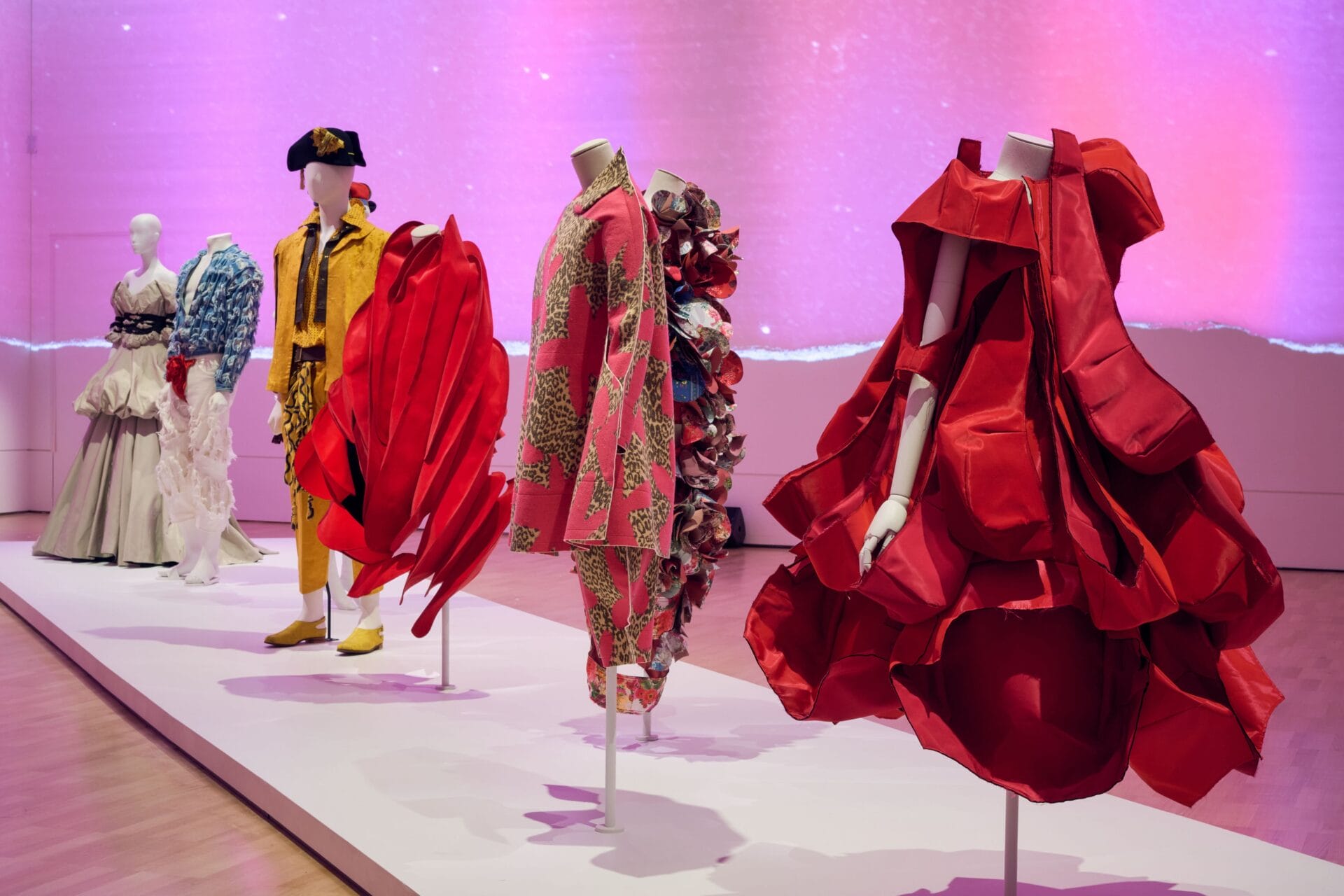
Born a year apart, British designer Vivienne Westwood and Japanese designer Rei Kawakubo of Comme des Garçons both brought radical, rule-breaking approaches to fashion that challenged conventions of taste, gender, and beauty. This year onwards, the National Gallery of Victoria in Melbourne are pairing the works of two of the most influential fashion designers in recent history with a thematic exhibition.
Featuring over 140 innovative designs, Westwood | Kawakubo explores convergences between these self-taught rebels through loans from international museums including the Met, V&A, and Palais Galliera, plus over 100 works from NGV’s collection—including nearly 40 pieces recently gifted by Comme des Garçons.
The exhibition spans their careers from the mid-1970s to the present, examining punk’s influence, historical reinterpretation, experimental methodologies and gender interrogation. Supplemented by archival materials, photography, and runway footage, highlights include Westwood’s iconic 1970s punk ensembles, her MacAndreas tartan gown worn by Kate Moss and the corseted wedding dress from Sex and the City: The Movie.
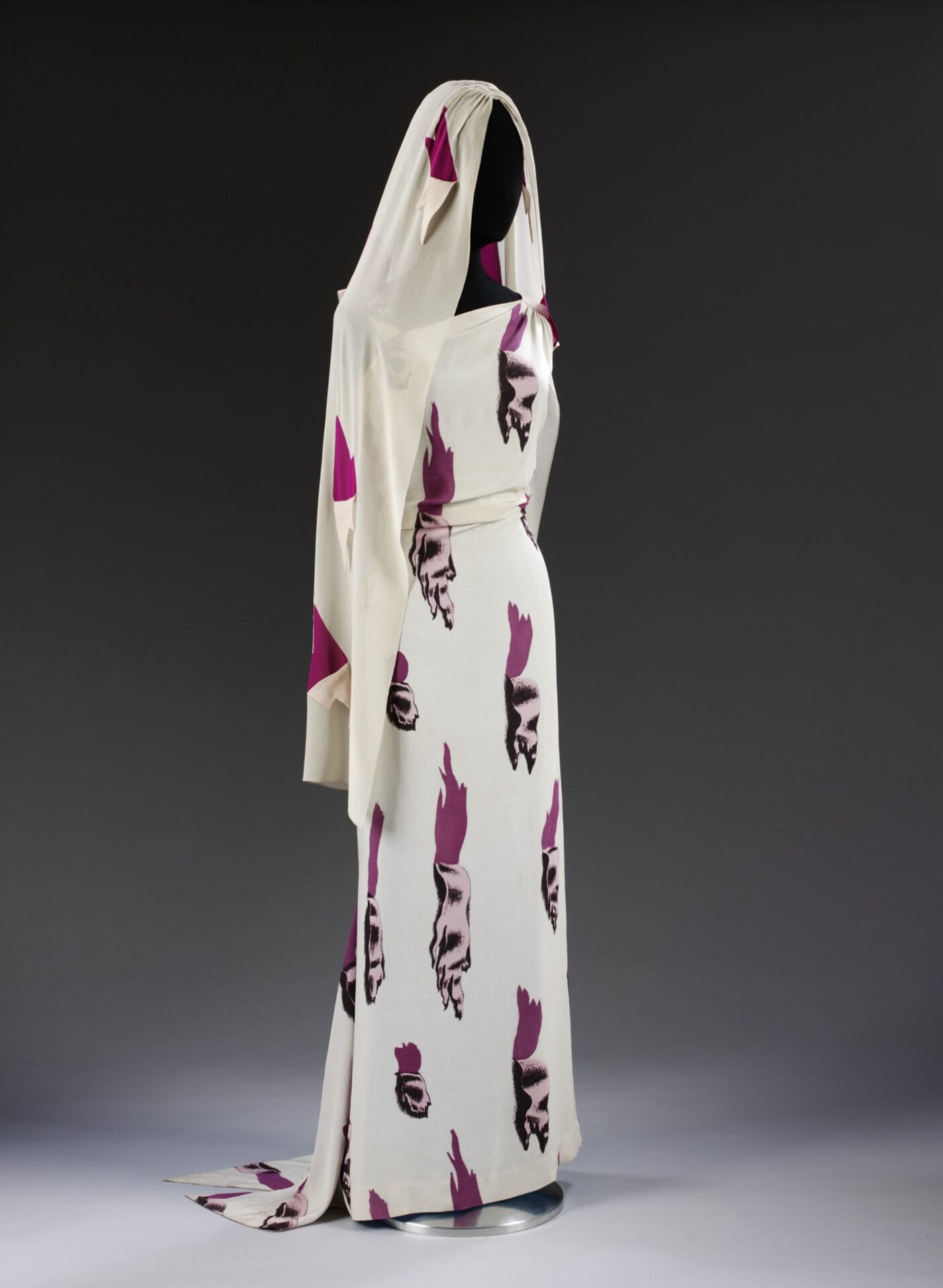
Fashion designer Elsa Schiaparelli was a provocateur who challenged conventional dress through witty, elegant and strikingly surreal designs that incorporate humour and surprise. Working within traditional tailoring while subverting it with extraordinary materials and Surrealist imagery—including collaborations with Salvador Dalí and Jean Cocteau—she created unique fashion statements that invite viewers to look again. This UK-first exhibition spans the 1920s to today, tracing the fashion house’s groundbreaking origins through pieces like her iconic black jumper knitted with a white bow, the ‘Tears’ dress and celebrating its evolution under current creative director Daniel Roseberry. The exhibition will comprise over 200 objects, including garments, accessories, jewellery, paintings, photographs, sculpture, furniture, perfumes and archive material—Schiaparelli’s most radical designs.
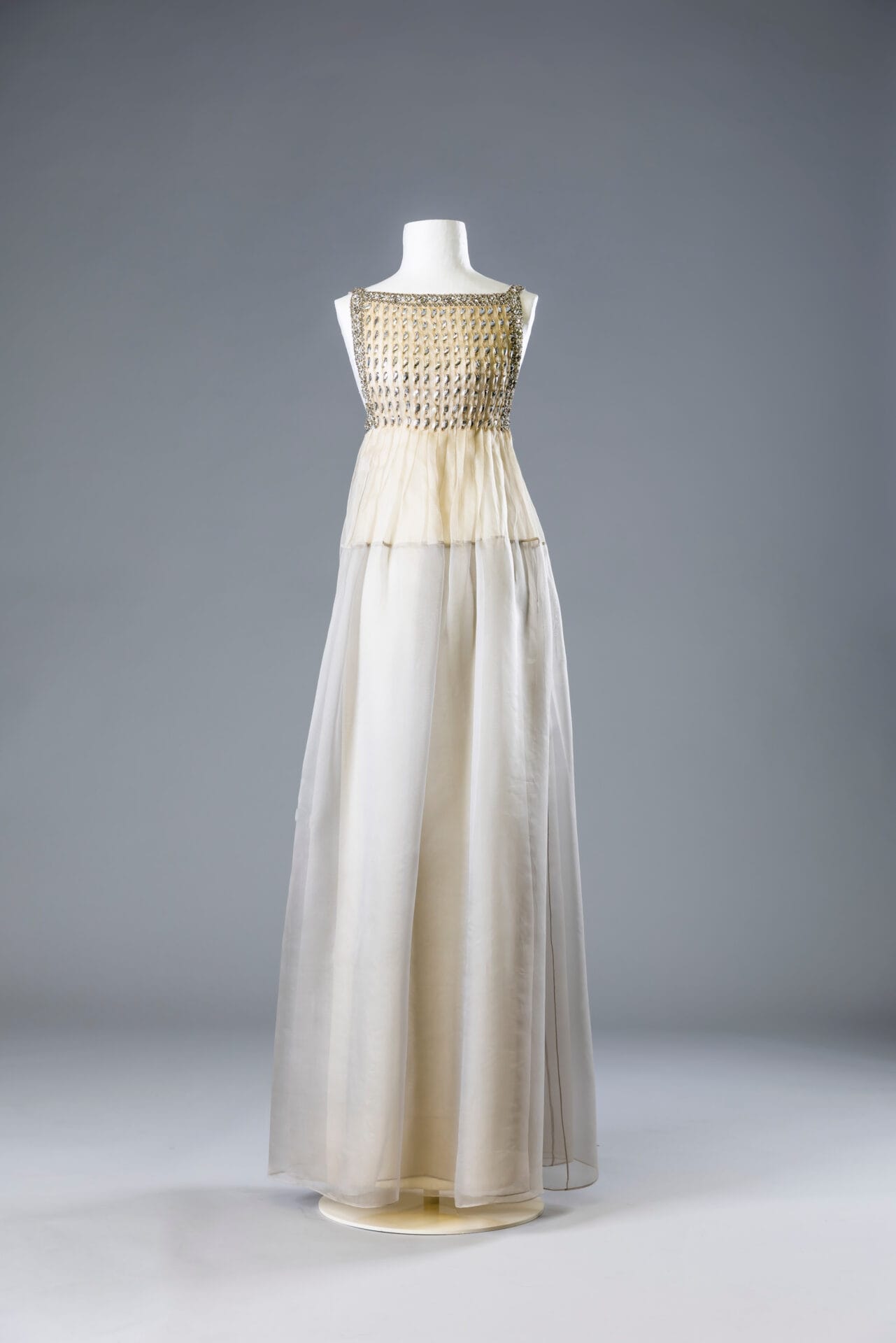
Before the world knew her name, Germaine Émilie Krebs was already rewriting the rules. The woman who would become Madame Grès—couturière to Grace Kelly, Greta Garbo, and Marlene Dietrich—treated fabric the way a sculptor treats marble: gathering meters of silk into breathtaking, body-hugging pleats inspired by classical antiquity. Now, Berlin’s Kunstgewerbemuseum is giving her the retrospective she deserves. Many Shades of Grès brings together 25 of her most extraordinary pieces alongside student reinterpretations, archival photography, sculpture, and digital installations—a full, immersive portrait of a designer who was, quite simply, in a category of her own.
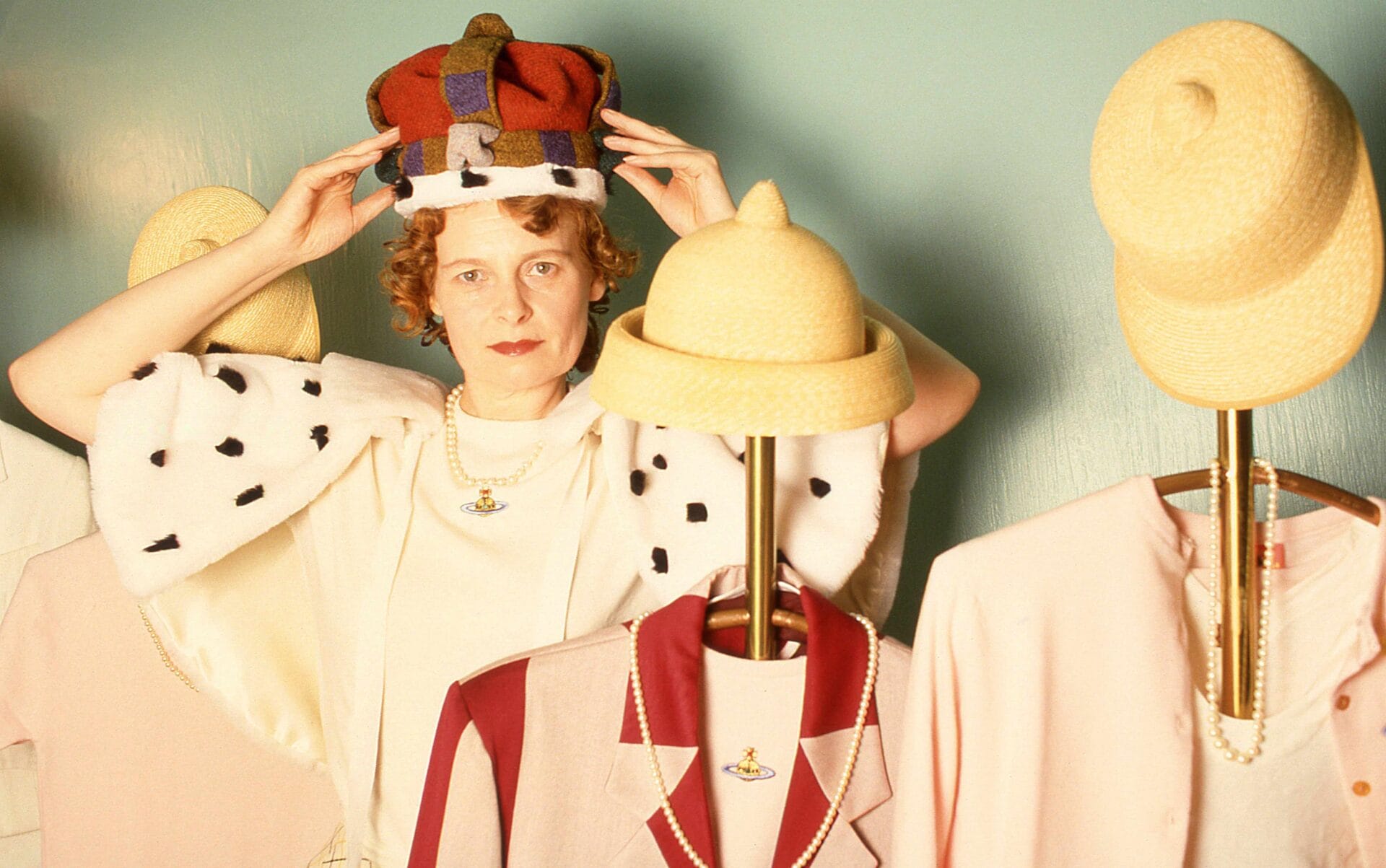
Honouring one of fashion’s most provocative British designers, Vivienne Westwood, this unofficial exhibition outlines her journey in rule-breaking approaches—rebellion and tradition—when it comes to fashion. Spanning the early 1980s to the 2000s, the exhibition features pieces from rarely seen private collections made possible by the collaboration with Peter Smithson and the Bowes Museum’s own collection. From mock-up calico toiles to deconstructed garments and archival pieces, this exhibition gives you a glimpse of Westwood’s artistry.
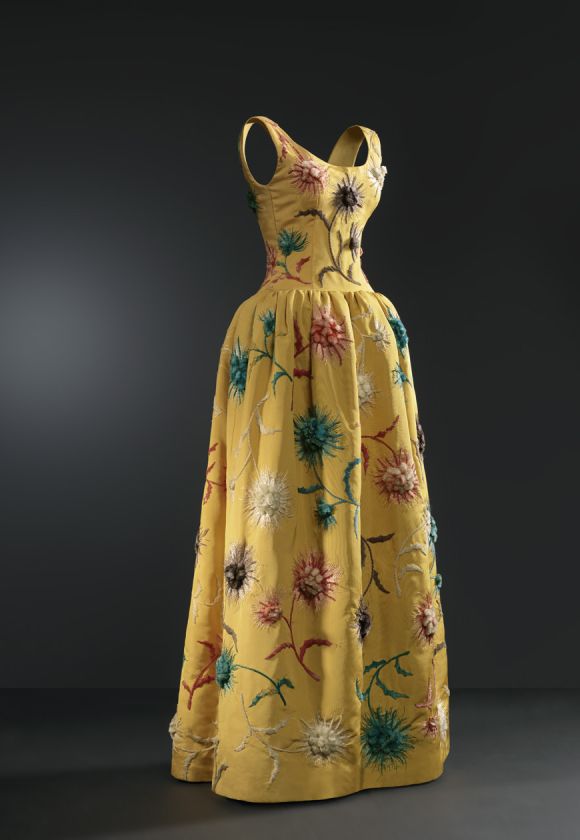
Staged in time for Hubert de Givenchy’s birth, The Givenchiaga Family exhibition revisits Cristóbal Balenciaga and Hubert de Givenchy’s kinship origins through a series of silhouettes, retrospects and archival pieces. Presenting 35 works by both designers in a chronological order spanning 1956 to 1972, the exhibition features tailoring techniques, their shared philosophy and the gradual evolution of fashion. Among the treasures awaiting you: a ravishing evening gown in yellow Gros de Naples silk, its surface alive with chenille embroidery in a riot of colour—a deeply personal piece, gifted by Balenciaga to Givenchy himself. Then there is Givenchy’s own August 1967 evening ensemble, as dramatic as it is refined: a sweeping draped cape and gown in flamingo pink silk gazar, the fitted bodice shimmering with silver, sequins and pearls.

MoMu is celebrating 40 years of the Antwerp Six—Dirk Bikkembergs, Ann Demeulemeester, Walter Van Beirendonck, Dries Van Noten, Dirk Van Saene, and Marina Yee—with a unique exhibition this month and beyond. Tracing back the extraordinary journey of these visionary designers, the exhibition will honour the “enduring legacy and profound influence on the art of fashion”. From archival pieces to their comprehensive history, you’ll learn why their unique designs continue to influence international fashion today.
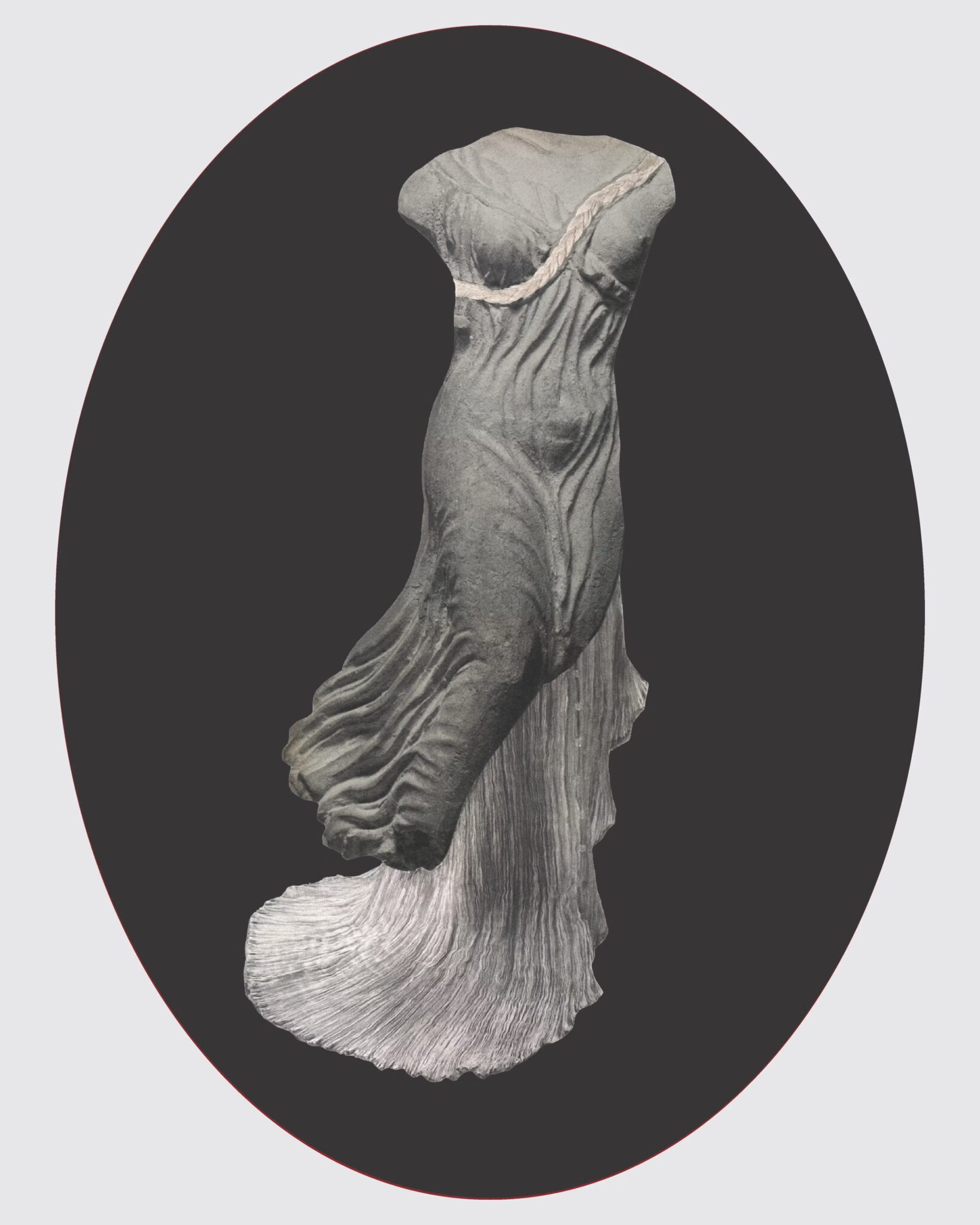
The Costume Institute’s spring 2026 exhibition will explore the centrality of the dressed body by pairing garments with artworks to illuminate the intrinsic relationship between clothing and the body. Concentrating on Western art from prehistory to the present, Costume Art creates dialogues between fashion pieces and objects from across the Museum’s departments, exploring connections ranging from formal to conceptual, aesthetic to political, individual to universal, illustrative to symbolic, and playful to profound. These pairings are arranged through thematic interpretations of the body that demonstrate their persistence across time and cultures.
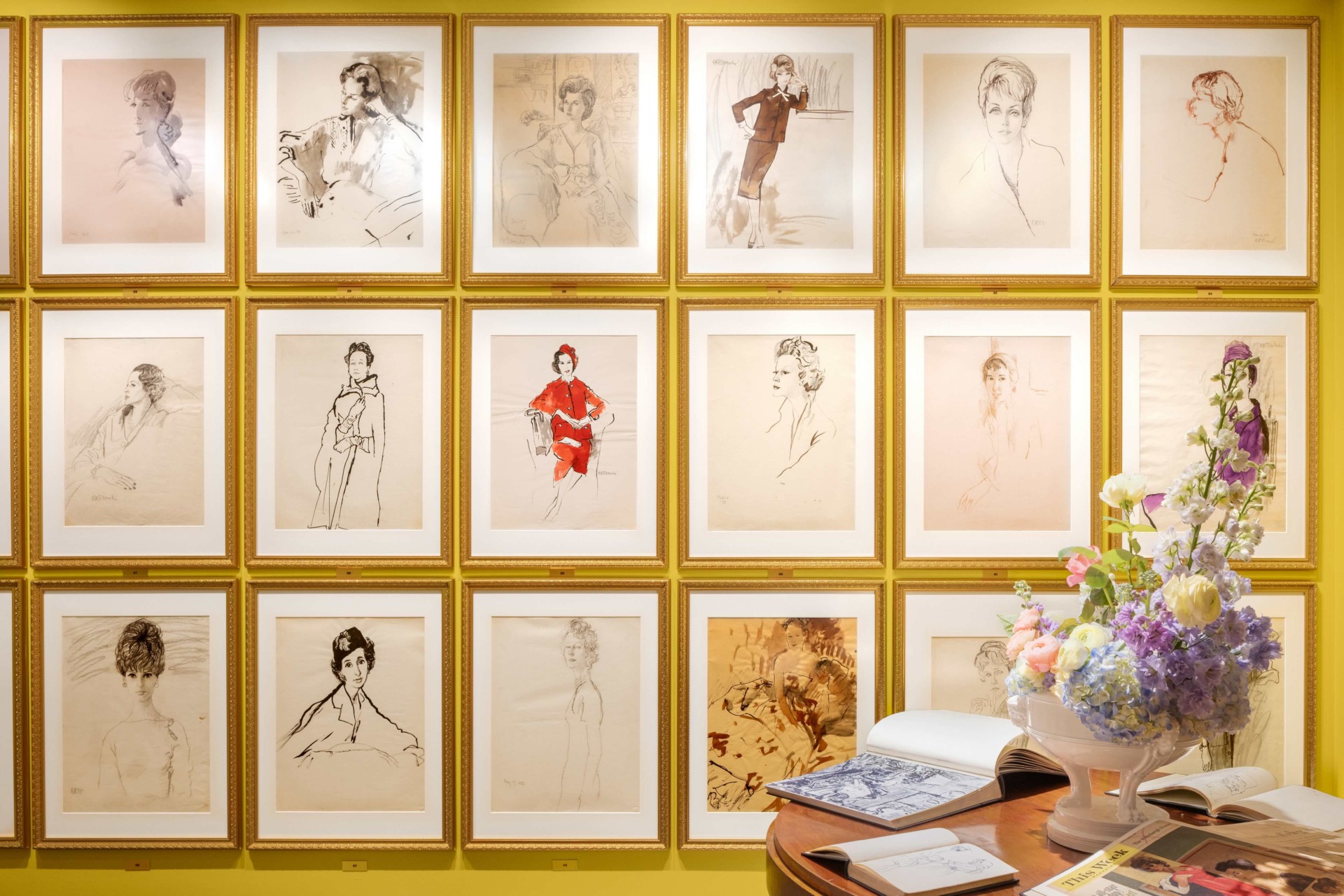
Remembered as Vogue’s fashion artist, René Bouché, was admired for his experimental elegance with illustrations—capturing beauty and the quiet depiction of women’s lives. To honour the artist, Acne Paper will be displaying 70 portrait drawings from René Bouché Studio Archive. For decades, these works rested quietly in portfolios at the home of the artist’s widow, Denise Bouché—preserved and unseen. Curated by Dean Rhys-Morgan, this exhibition brings them together for the first time since Bouché’s final exhibition at the Alexander Iolas Gallery in 1957. Together, they form a breathtaking image of women—notable figures, aviators, patrons, collectors, society hostesses and international personalities—who stood at the very heart of mid-twentieth-century cultural and social life.
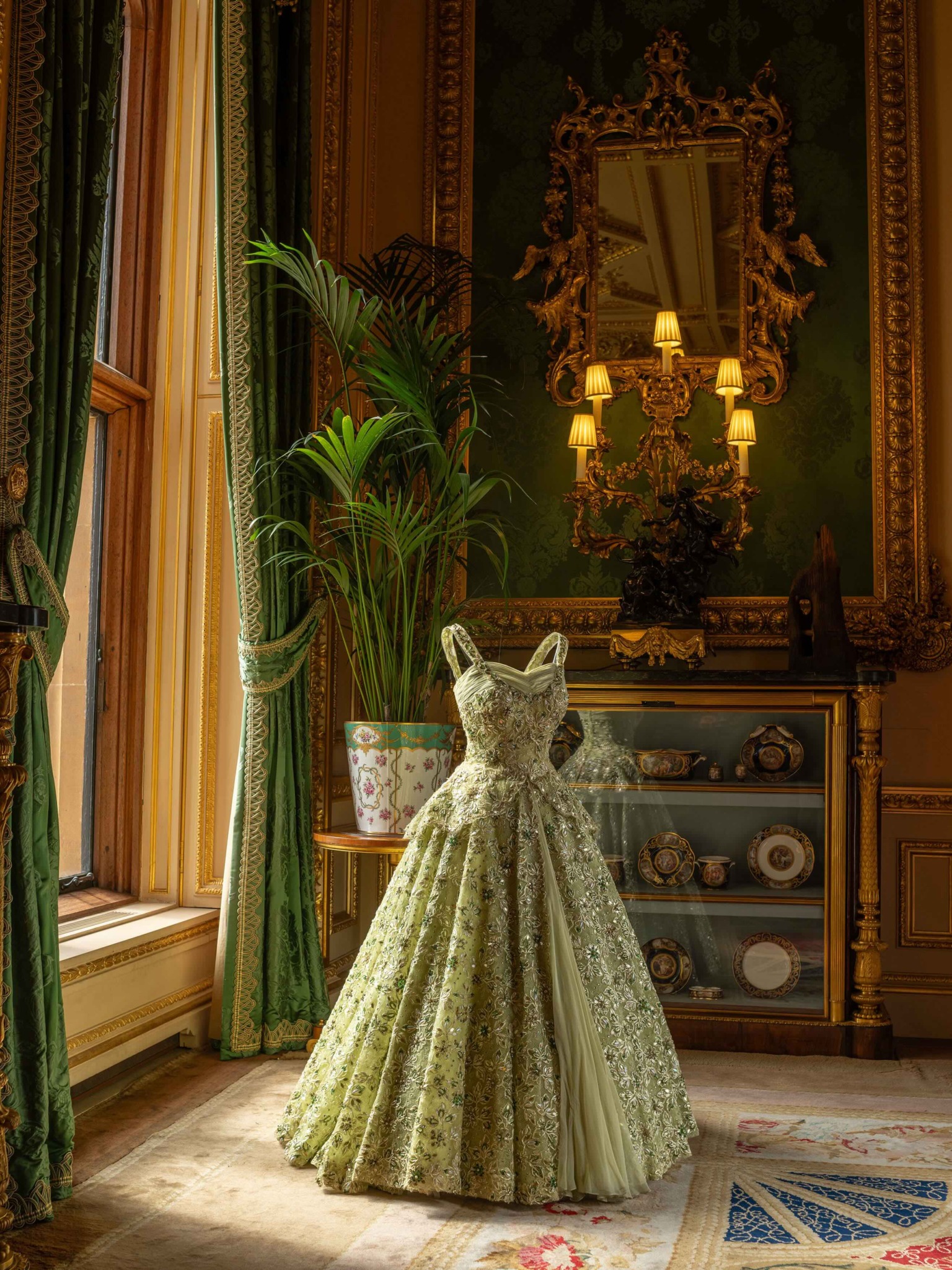
In the year Queen Elizabeth would have turned 100 years old, the King’s Gallery celebrates it with a historical exhibition showcasing the remarkable style of Britain’s longest-reigning monarch. The Queen Elizabeth II: Her Life in Style will feature about 200 items, with three world-renowned British designers—Erdem Moralioglu, Richard Quinn and Christopher Kane contributing pieces to the gallery. The exhibition will highlight rarely seen and never-before-displayed items from the late Queen’s wardrobe, worn throughout her life, from her christening robe to wedding and coronation dresses. Archival Jewellery, hats, shoes and accessories will also make an appearance, emphasising the relevance and significance of British fashion.
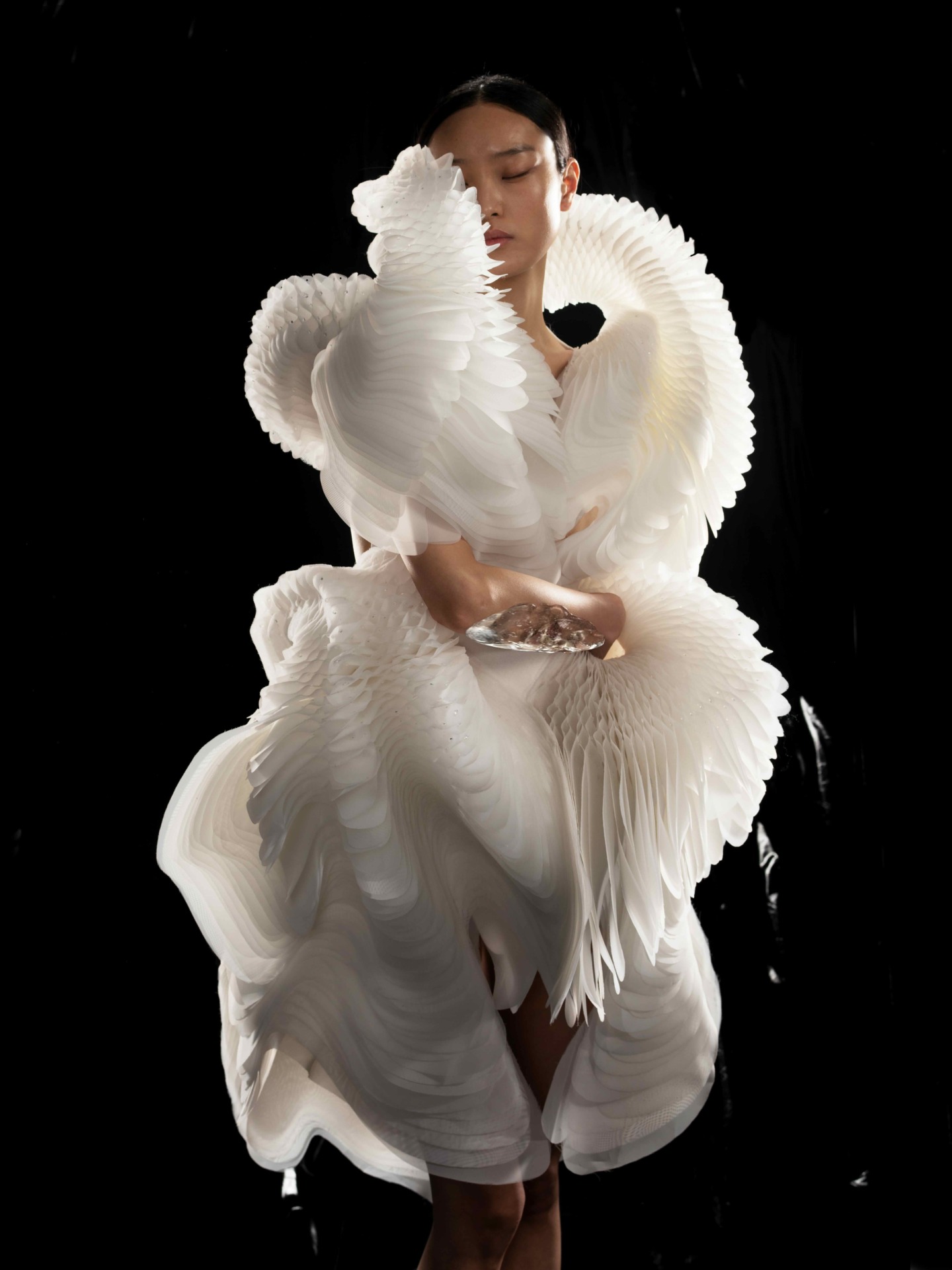
Bringing together more than 140 haute couture creations, the Iris van Herpen: Sculpting The Senses exhibition pays homage to one of today’s most revolutionary fashion designers. Evoking a nebulous sense of artistry, the showcase integrates the museum’s art and science collection with contemporary works using art, design and scientific artefacts to bridge the gap between the atelier and the laboratory—between nature and technology. A visionary who pushes relentlessly against the boundaries of what fashion can be, this exhibition shows us avant-garde designs that depict how Iris van Herpen defied the limits of fashion while giving a glimpse inside her artistic process, imagination and inspiration.
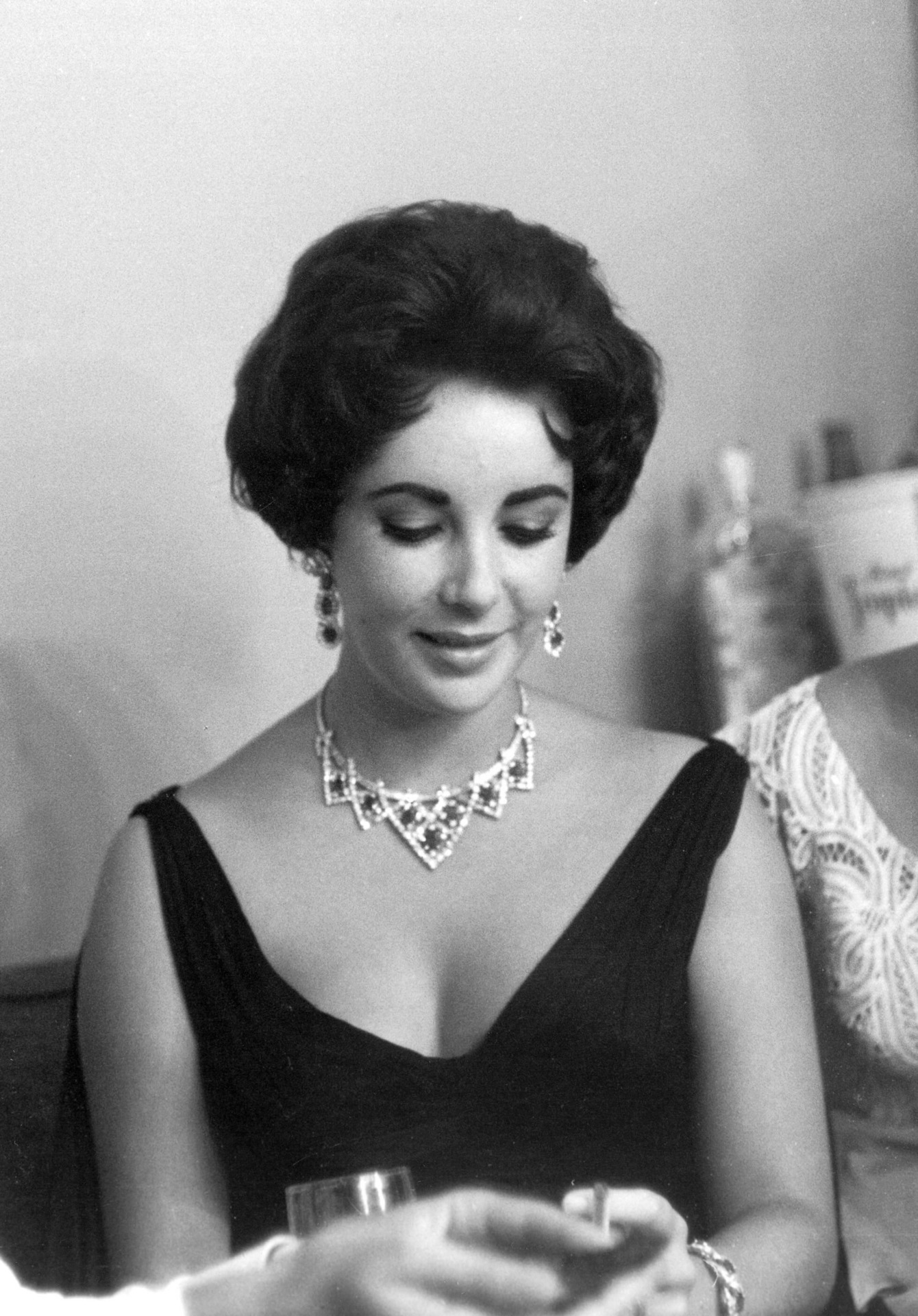
Through an illustrative and theatrical spectacle, Cartier is tracing the evolution of the Maison’s enduring legacy in art, design and savoir-faire. With more than 300 extraordinary objects—from precious jewels and historic gemstones to iconic watches and clocks —the “Cartier Melbourne Winter Masterpieces 2026” exhibition will showcase iconic pieces such as the panther brooch, the Tank watch, and the mystery clock, all under one roof. Even design drawings from the Cartier archives will illuminate the halls of the National Gallery of Victoria. Wandering through the gallery, you’ll see that the variety and extent of the collection tell you no one can do it like Cartier.
Harper’s BAZAAR Malaysia.